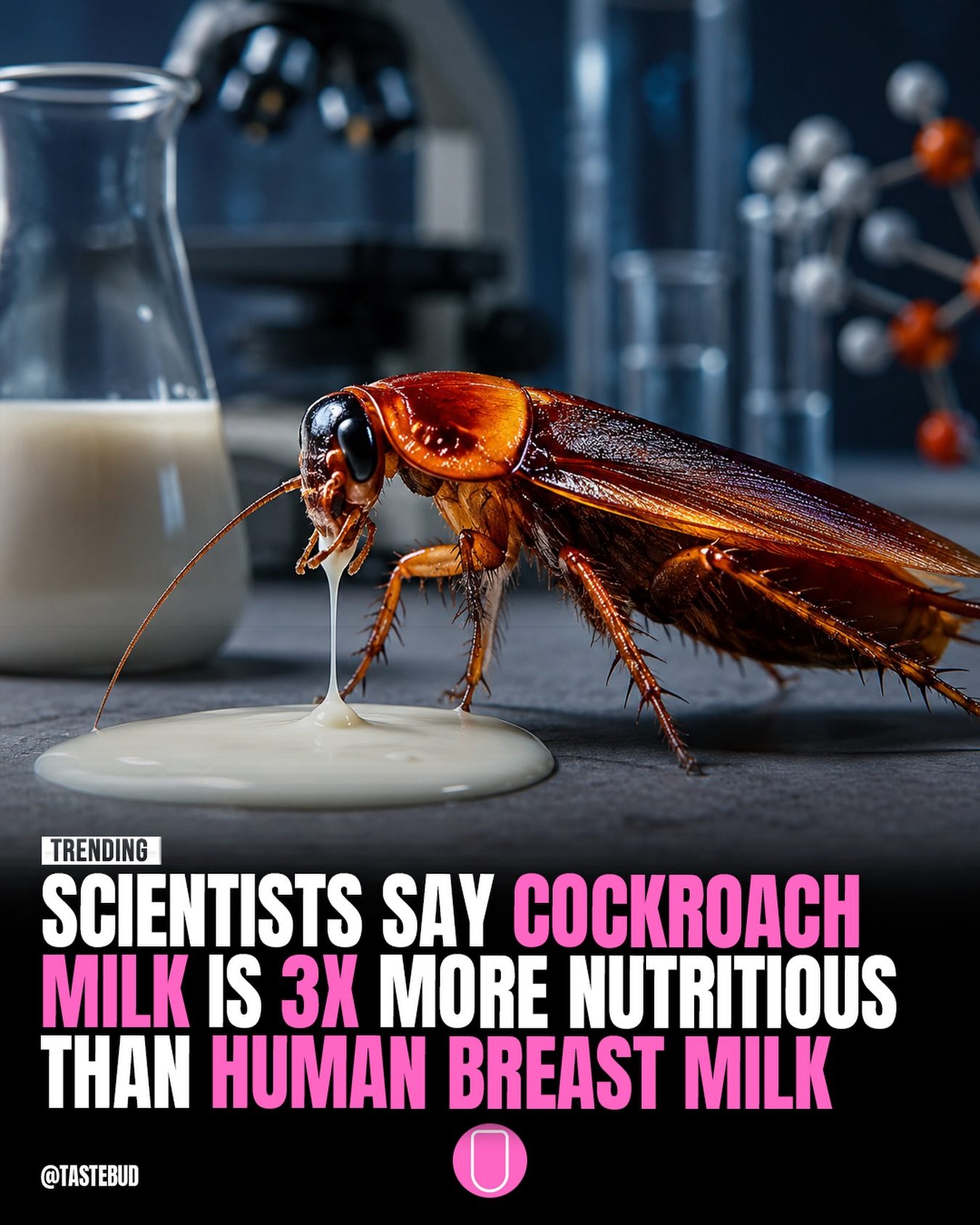
Cockroach Milk: Nutrient-Dense Protein Crystals
Discovered inside a particular species of cockroach, cockroach milk isn't what it sounds like. This isn't a dairy beverage derived from cockroaches but rather protein crystals with remarkable nutritional properties. These crystals, found within the Pacific beetle cockroach (Diploptera punctata), are a mix of fats, proteins, and essential nutrients. Cockroach milk is three times more nutritious than human breast milk on a gram-for-gram basis.
Why This Matters
The nutritional density of these protein crystals is extraordinary. Cockroach milk contains all nine essential amino acids, making it a complete protein source. It also has a mix of fats and other essential nutrients, which makes it a more concentrated energy source than both cow and human breast milk. The fact that scientists are looking into creating this substance in labs highlights the potential for future nutritional applications, especially in supplement forms or in areas where nutrient-dense foods are scarce.
Main Discussion
The Discovery of Cockroach Milk
The story of cockroach milk begins with the Pacific beetle cockroach. Researchers discovered that these insects produce milk-like crystals to feed their nymphs. The mother cockroach secretes these protein crystals, which are then consumed by the young to support their growth. Unlike other milk sources, these crystals are incredibly dense and concentrated in nutrients.
The Nutritional Benefits
Cockroach milk is more than just a scientific curiosity. Its nutritional profile is impressive. Gram for gram, it holds more energy than conventional milk, providing a concentrated source of nutrients. This makes it a potential candidate for developing high-energy, nutrient-dense food supplements. The crystals are rich in essential fats, proteins, and vitamins, which are critical for sustaining life.
Scientific Implications
Scientists are particularly interested in the potential to recreate these protein crystals in a laboratory setting. The idea is to harness the nutritional power of cockroach milk without actually consuming it. This would involve synthesizing the protein crystals to create a sustainable and potent nutritional supplement. The research is still in the early stages, but the potential benefits are undeniable. This could lead to breakthroughs in nutrition science, particularly in areas where malnutrition is a concern.
Practical Tips
For Researchers
If you are a researcher interested in this area, you will want to focus on the molecular structure of the protein crystals. Understanding how these crystals are formed and how they can be synthesized in a lab setting will be critical. Collaboration with nutritional experts and biochemists will also be essential for developing a viable product.
For the General Public
While cockroach milk is not for human consumption, the public can benefit from the research. The potential for developing high-energy, nutrient-dense food supplements is exciting. Keep an eye on the latest research to stay informed about potential new food supplements that could hit the market in the future.
Important Takeaways
Cockroach milk, while not something you'd find in a grocery store, represents a fascinating area of nutritional research. The protein crystals found in certain cockroaches are incredibly dense in nutrients, making them a potential source of future nutritional supplements. Scientists are exploring ways to recreate these crystals in a lab, which could have significant implications for global health and nutrition.
Conclusion
The discovery of cockroach milk opens up new possibilities in the field of nutrition. While it might seem unconventional, the nutritional benefits of these protein crystals are hard to ignore. As researchers continue to explore this area, we may see new and exciting developments in the world of nutritional science. The future of nutrition could very well be shaped by the tiny, nutrient-rich protein crystals found inside these remarkable insects.
Watch the Reel
Questions readers ask
Is cockroach milk actually milk from cockroaches?
No, cockroach milk is not a dairy product derived from cockroaches. It is a term used to describe nutrient-rich protein crystals found in the Pacific beetle cockroach. These crystals are produced by the female cockroach to feed their young.
What makes cockroach milk more nutritious than human breast milk?
Cockroach milk is three times more nutritious than human breast milk on a gram-for-gram basis. It contains a higher concentration of fats, proteins, and essential nutrients, including all nine essential amino acids, making it a complete protein source.
Can cockroach milk be used to develop new food supplements?
Yes, cockroach milk has the potential to be a promising source of concentrated energy and nutrients. Researchers are exploring its use in developing high-energy, nutrient-dense food supplements. These supplements could provide a rich source of essential nutrients and complete proteins.
What is the Pacific beetle cockroach, and why is it significant in the context of cockroach milk?
The Pacific beetle cockroach (Diploptera punctata) is a species of cockroach that produces nutrient-rich protein crystals. These crystals, found in the cockroach's midgut, are the source of what is referred to as cockroach milk. The significance lies in the exceptional nutritional properties of these crystals, which could benefit human nutrition.
What are the potential benefits of cockroach milk for humans?
Cockroach milk could potentially serve as a high-energy, nutrient-dense food supplement for humans. Its complete protein profile and high concentration of essential nutrients make it a promising candidate for addressing nutritional deficiencies and providing sustained energy.
What is the significance of the protein crystals in cockroach milk?
The protein crystals in cockroach milk are significant due to their exceptional nutritional content. These crystals are a complete protein source, containing all nine essential amino acids, as well as a mix of fats and other essential nutrients. This makes them a highly concentrated source of energy and nutrients.
Is there ongoing research into the benefits of cockroach milk?
Yes, there is ongoing research into the benefits and potential applications of cockroach milk. Scientists are studying the nutritional properties of the protein crystals and exploring ways to harness their benefits for human nutrition, particularly in the development of high-energy, nutrient-dense food supplements.
Related deep dives
Similar reads based on topic and creator.


Recent articles
Fresh deep dives from the latest Reels we unpacked.




Comments
Be the first to comment.