Coca-Cola Zero's Relationship with Diabetes
When it comes to Coca-Cola Zero, the conversation often revolves around its potential impact on health, especially concerning diabetes. The claim that Coca-Cola Zero poses a significantly higher risk of diabetes compared to the regular sugary version has gained attention, but how much truth lies behind this assertion?
Context: Why This Matters
Artificially sweetened beverages, including Coca-Cola Zero, have become a popular choice for those looking to reduce their sugar intake. However, the long-term effects of these beverages on the body, particularly in relation to metabolic health, are still a subject of ongoing research. Understanding the implications of consuming these drinks is crucial for making informed dietary choices.
Understanding the Controversy
Artificial Sweeteners and Metabolic Health
Artificial sweeteners, which are used in Coca-Cola Zero to replace sugar, have been studied for their possible impacts on metabolic health. Some research indicates that frequent consumption of artificially sweetened drinks may be linked to metabolic issues, including a higher risk of diabetes. However, the findings are not conclusive and often vary between studies.
The Role of Appetite and Gut Bacteria
One of the areas of interest is how artificial sweeteners may influence appetite signals and gut bacteria. The idea is that these sweeteners might affect how the body processes food, potentially leading to changes in appetite and metabolism. Some studies suggest that artificial sweeteners can disrupt the balance of gut bacteria, which in turn could influence glucose metabolism and insulin sensitivity.
The 400% Risk Claim
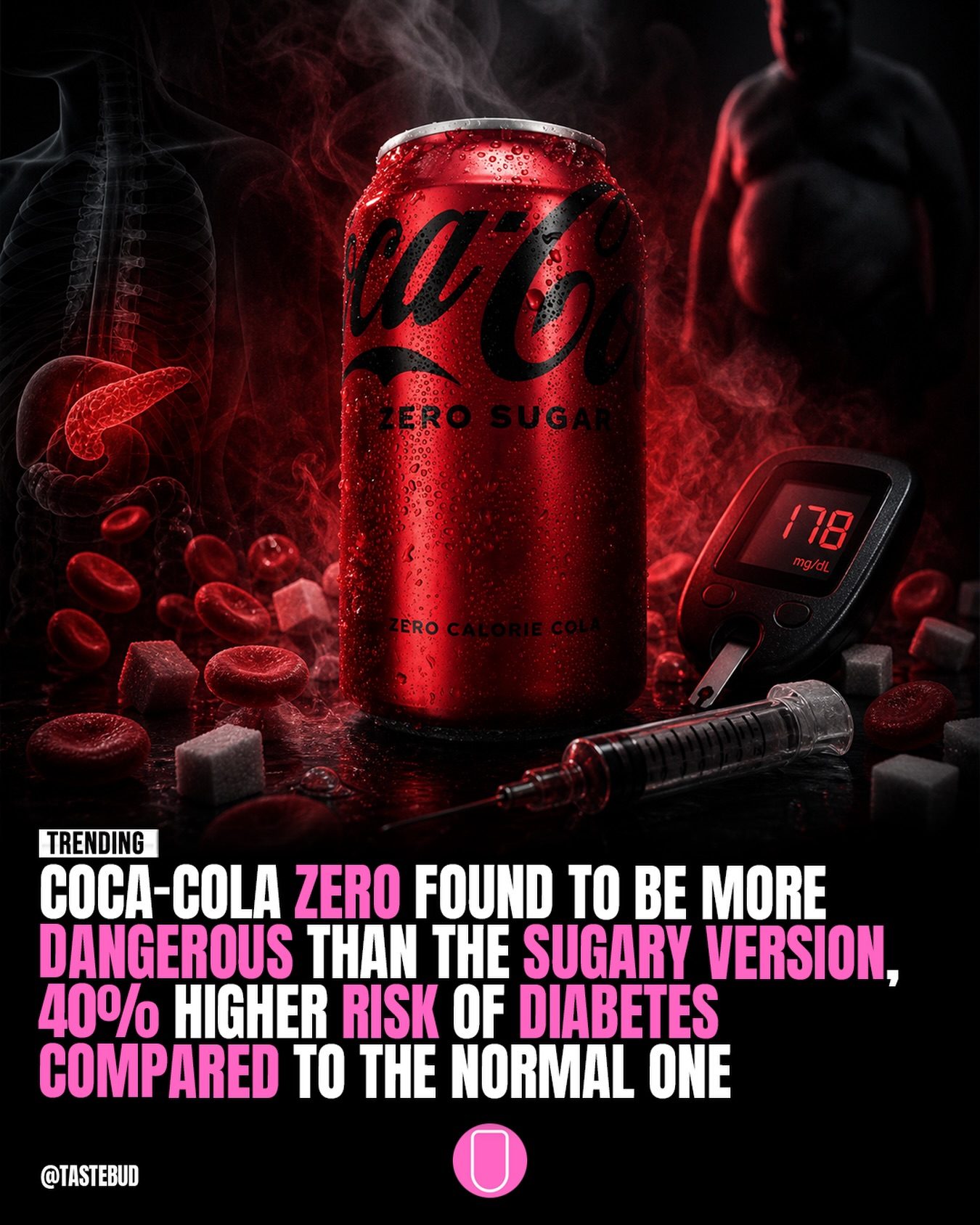
The bold claim that Coca-Cola Zero poses a 400% higher risk of diabetes compared to the regular version is eye-catching, but it's important to approach such claims with caution. This figure, displayed prominently in the visual, suggests a dramatic difference in risk, but without specific research to back it up, it's challenging to verify. It's crucial to rely on evidence-based information rather than sensational claims.
Practical Tips
Moderation is Key
When it comes to any beverage, moderation is key. Health experts emphasize the importance of a balanced diet and lifestyle rather than focusing on a single product. This means enjoying Coca-Cola Zero in moderation as part of a varied diet, rather than relying on it as a primary beverage.
Focus on Overall Diet Quality
Incorporating a variety of nutrient-rich foods into your diet is essential. This approach ensures that you're getting a balanced intake of vitamins, minerals, and other nutrients, which can help support overall health, including metabolic health.
Stay Informed
Keep yourself updated on the latest research regarding artificial sweeteners and their potential impacts. Research is ongoing, and new findings may provide clearer insights into the long-term effects of consuming artificial sweeteners.
Consult Health Professionals
If you have specific concerns regarding your diet, especially in relation to diabetes risk, consult with a healthcare provider. They can offer personalized advice and help you make informed choices based on your individual health profile.
Important Takeaways
The Science is Not Conclusive
While some studies suggest a potential link between artificial sweeteners and metabolic issues, the science is not conclusive. Continue to monitor research developments to stay informed about the long-term effects of artificially sweetened beverages.
Avoid Sensational Claims
It's important to approach dramatic claims with skepticism. While Coca-Cola Zero may have health implications, the idea of a 400% higher risk of diabetes compared to the sugary version needs more substantial evidence to be validated.
Balance and Variety are Essential
A healthy diet should focus on balance and variety. While beverages like Coca-Cola Zero can be enjoyed in moderation, it's essential to ensure that the majority of your diet consists of nutrient-dense foods.
Conclusion
The relationship between Coca-Cola Zero and diabetes risk is a complex topic with ongoing research. While there is evidence that artificial sweeteners may influence metabolic health, the findings are mixed and not conclusive. The key takeaway is to approach such information with a balanced perspective, focusing on overall diet quality and moderation. Stay informed, consult with healthcare professionals, and make choices that support your overall health and well-being.
Watch the Reel
Questions readers ask
Does Coca-Cola Zero increase the risk of diabetes more than the regular sugary version?
The claim that Coca-Cola Zero increases the risk of diabetes more than the regular sugary version is not fully substantiated. While research is ongoing, current evidence does not support the idea that Coca-Cola Zero poses a significantly higher risk of diabetes compared to regular Coca-Cola.
What are artificial sweeteners and how do they relate to Coca-Cola Zero?
Artificial sweeteners are sugar substitutes used in products like Coca-Cola Zero to provide sweetness without the calories. They are designed to help reduce sugar intake. However, the long-term effects of artificial sweeteners on metabolic health are still a subject of ongoing research and debate.
Are zero-sugar drinks like Coca-Cola Zero healthier than regular sugary drinks?
Zero-sugar drinks like Coca-Cola Zero are often chosen as a lower-calorie alternative to regular sugary drinks. While they can help reduce sugar and calorie intake, the health implications of artificial sweeteners are still being studied. It's essential to consider overall dietary patterns and not just the sugar content when evaluating health impacts.
Does Coca-Cola Zero affect metabolic health differently than regular Coca-Cola?
Coca-Cola Zero and regular Coca-Cola may have different effects on metabolic health. However, the specific impacts of artificial sweeteners, which are found in Coca-Cola Zero, on metabolic health are still being researched. It is important to consider both the type and amount of beverages consumed as part of a balanced diet.
Is the taste of Coca-Cola Zero different from the regular version?
The taste of Coca-Cola Zero is designed to mimic that of regular Coca-Cola, but it is not identical. Some people may notice a difference in taste due to the use of artificial sweeteners. However, many consumers find the taste of Coca-Cola Zero to be similar to the regular version.
What are the current findings on artificial sweeteners and diabetes risk?
Current research on artificial sweeteners and diabetes risk is inconclusive. Some studies suggest a possible correlation, while others do not. To stay informed, it is best to regularly check the latest research and guidelines from health authorities.
Related deep dives
Similar reads based on topic and creator.


Recent articles
Fresh deep dives from the latest Reels we unpacked.




Comments
Be the first to comment.