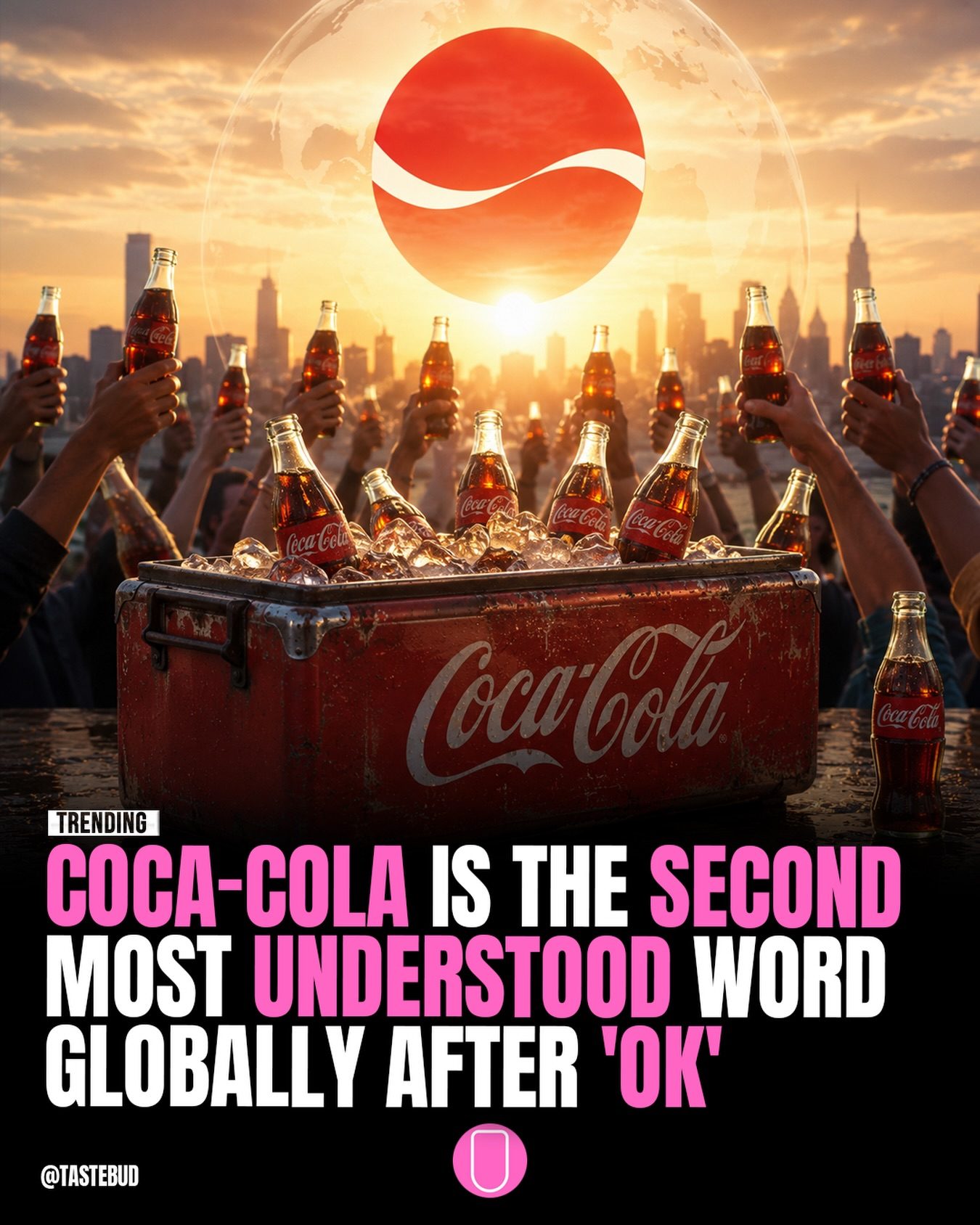
Coca-Cola's OK Soda: A Bold Experiment in Branding
In the 1990s, Coca-Cola launched a unique and daring experiment with their OK Soda. Aimed squarely at Generation X, this new soda sought to break away from the traditional, wholesome image that the brand had cultivated for decades. The effort, dark and moody, came with cryptic messages on the cans and even a hotline with random recordings. However, consumers quickly saw through the gimmicks, and the drink itself failed to impress. It was discontinued less than two years later. This episode serves as a reminder of the challenges associated with faking authenticity, especially when trying to connect with a new target audience.
The 1990s and the Rise of Gen X
To understand the OK Soda experiment, it's essential to look at the cultural context of the 1990s. Generation X, born between 1965 and 1980, was coming into its own. This demographic was known for its skepticism, individualism, and a general distrust of traditional marketing. Coca-Cola sought to tap into this market by adopting a more rebellious and less corporate image, hoping to resonate with a generation that valued authenticity.
The Launch of OK Soda: A Departure from Tradition
OK Soda was a radical departure from Coca-Cola's usual branding. Instead of the bright, cheerful colors and wholesome messages that characterized Coca-Cola products, OK Soda opted for a darker, moodier aesthetic. The cans featured cryptic messages and a design that was starkly different from other Coca-Cola products. This new look was intended to appeal to Gen Xers, who were known for their appreciation of edgier, less polished aesthetics.
The branding also included a unique twist with a hotline. When you called the number on the can, you would get random, often humorous, recordings. This added an interactive element to the brand, giving consumers a new way to engage with the product.
The Marketing Strategy: Authentic or Gimmicky?
The strategy behind OK Soda was to present a more authentic and less corporate persona. The goal was to connect with Gen X on a deeper level, showing that Coca-Cola understood their values and preferences. However, many consumers saw through the façade. The cryptic messages and the hotline were perceived as gimmicks, and people questioned the authenticity of the effort. In addition to the marketing missteps, the drink itself failed to impress. Ultimately, consumers were not convinced by the new soda's taste, and sales did not meet expectations.
The Lesson: Authenticity Matters
The failure of OK Soda serves as a reminder that authenticity is crucial for successful branding. Consumers can quickly see through attempts to mimic their values or preferences, and genuine authenticity is key. When Coca-Cola tried to market OK Soda as a rebellious, anti-corporate drink, many consumers saw it as a hollow attempt to cash in on a trend.
This episode underscores the importance of understanding your audience and delivering a product that genuinely resonates with their values and preferences. Authenticity is not something that can be manufactured; it comes from a deep understanding of your audience and a commitment to delivering a product that aligns with their needs and preferences.
Important Takeaways
1. Know Your Audience
Understanding your target audience is critical for successful branding. Generation X valued authenticity and individualism, and Coca-Cola's attempt to tap into this market fell flat because it failed to deliver on these values genuinely.
2. Authenticity Cannot Be Faked
Consumers can quickly see through attempts to fake authenticity. Coca-Cola's new branding for OK Soda was perceived as a gimmick, and this undermined the product's credibility. Authenticity must come from a place of genuine understanding and commitment.
3. The Product Must Deliver
No amount of clever marketing can compensate for a product that doesn't impress. OK Soda failed to deliver on taste, and this was a significant factor in its failure. A successful marketing campaign must be backed by a product that genuinely meets consumer expectations.
4. Experimentation Can Be Beneficial
Coca-Cola's experiment with OK Soda showed that even risky marketing campaigns can provide valuable insights. The lessons learned from this experience can be applied to future branding efforts, helping Coca-Cola to better understand the importance of authenticity and consumer perception.
Conclusion
The story of OK Soda is a cautionary tale about the importance of authenticity in branding. Coca-Cola's attempt to connect with Generation X by adopting a more rebellious and less corporate image ultimately fell flat. Consumers saw through the gimmicks, and the product failed to deliver on taste. This episode serves as a reminder that authenticity is crucial for successful branding and that genuine understanding of your audience is essential for delivering a product that resonates with their values and preferences.
Watch the Reel
Related deep dives
Similar reads based on topic and creator.


Recent articles
Fresh deep dives from the latest Reels we unpacked.




Comments
Be the first to comment.