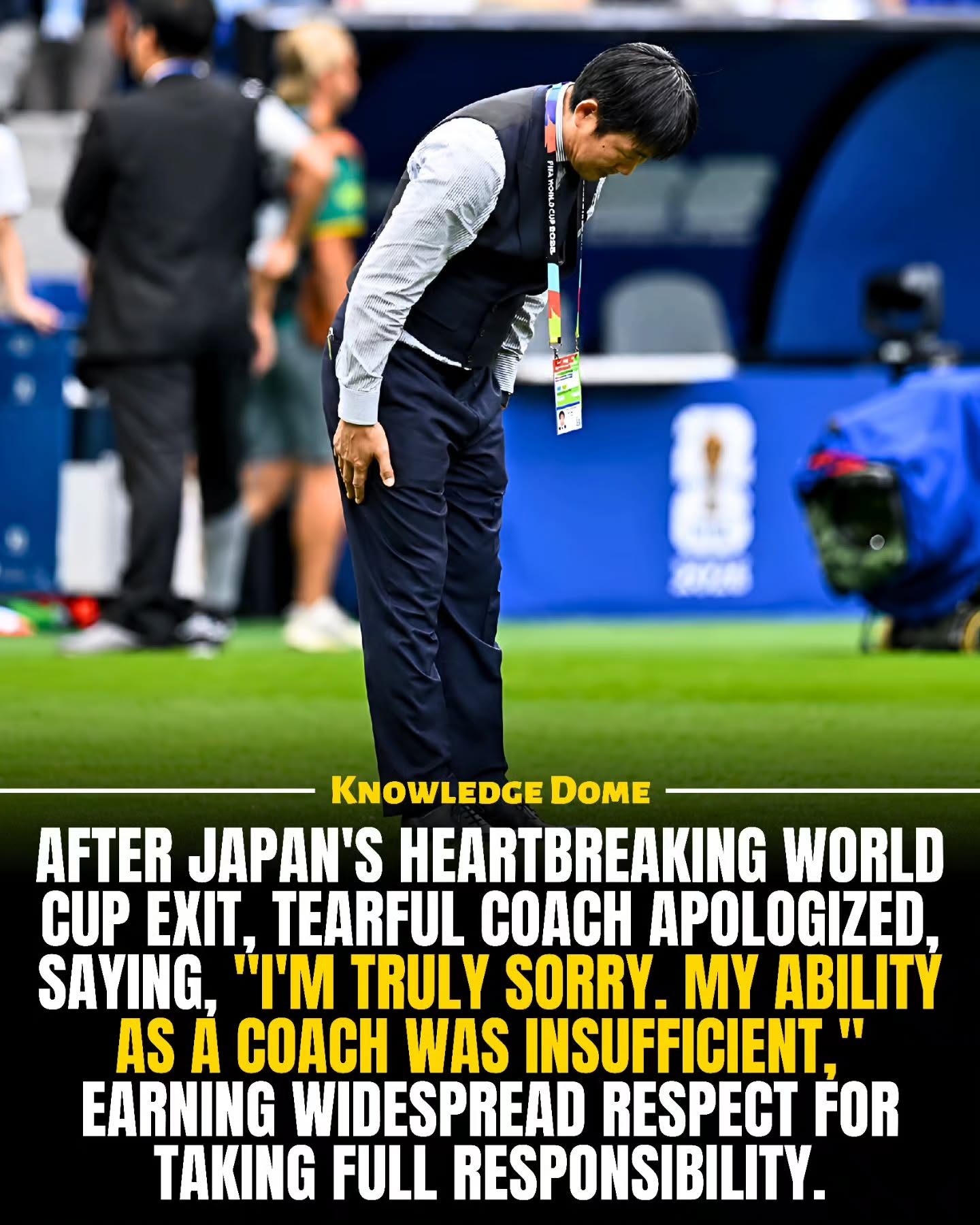
Japan's World Cup Exit and Coach Apology
Context / Why this matters
The World Cup is always a thrilling spectacle, with dreams made and broken on the pitch. Japan’s journey in the 2026 World Cup was no different, marked by a heartbreaking exit in the Round of 32. The loss, though painful, has sparked conversations about resilience, responsibility, and the future of Japanese football.
Main discussion
The Turning Point
Japan’s match against Brazil on June 29, 2026, was a rollercoaster of emotions. The team started strong, taking an early lead that had fans around the world cheering. However, Brazil's comeback was relentless. The Brazilian team scored two goals, with the decisive one coming in stoppage time, sealing a 2-1 victory.
The Coach’s Perspective
Coach Hajime Moriyasu acknowledged the defeat but emphasized the significant strides made by the team. He lauded the players for their resilience, energy, and robust defense. The coach’s words highlighted the progress Japan has made in international football, positioning the team closer to the world's elite.
Earning Respect
What stood out was Moriyasu’s apology after the match. In a tearful press conference, he took full responsibility for the loss, stating, "I’m truly sorry. My ability as a coach was insufficient." This public acknowledgment of responsibility earned him widespread respect. It was a moment that showed not just his humility but also his deep commitment to the team and the sport.
Practical tips
Leadership and Accountability
For any team, leadership is crucial. Moriyasu’s actions show that a coach's role extends beyond strategy and tactics. Taking responsibility, as he did, can inspire players and fans alike. It fosters a culture of accountability and drives the team forward, even in the face of adversity. This kind of leadership can unite a team and build a stronger bond.
Building Team Spirit
In any competitive sport, maintaining high spirits is essential. Moriyasu’s praise for the players’ fight and energy is indicative of a team that supports and champions each other. Teams that stay motivated and supportive can often overcome even the most challenging setbacks.
Preparation and Adaptation
Japan’s performance highlights the importance of preparation and adaptation. The team showed real progress, demonstrating that continuous improvement and adaptability are key to success. This approach allows teams to stay competitive and relevant, even against formidable opponents.
Important takeaways
Resilience in Sports
Resilience is a common theme in the world of sport. It’s not just about winning; it’s about how a team recovers from setbacks. Japan’s performance in the World Cup showcases this resilience, proving that a team can bounce back from adversity.
Humility and Leadership
Taking responsibility and showing humility are traits that are often rewarded in the world of sport. Moriyasu’s actions earned him widespread respect, showing that true leadership is about accountability and empathy.
Progress Over Perfection
Perfection is an elusive goal, but progress is measurable. Japan’s performance highlighted their progress, giving fans hope for a brighter future. The team’s improvements show that continuous effort and dedication pay off, even if immediate victory is not achieved.
The Journey is as Important as the Destination
While the outcome of a match is crucial, the journey is equally important. Japan’s journey in the 2026 World Cup was a testament to their growth and potential, showing that the road to success is as valuable as the destination.
Conclusion
Japan’s heartbreaking exit from the 2026 World Cup, though disappointing, serves as a poignant reminder of the resilience and spirit of the Japanese football team. Coach Hajime Moriyasu’s apology, taking full responsibility for the loss, showcased a leadership that inspires. The team’s progress and adaptability, along with their unwavering spirit, highlight the steps towards future triumphs. As fans and players look to the next World Cup, the lessons learned from this journey will undoubtedly fuel their ambitions and aspirations.
Watch the Reel
Questions readers ask
Why did Coach Moriyasu publicly apologize after Japan's World Cup exit?
Coach Moriyasu apologized to take responsibility for Japan's loss, demonstrating his commitment to the team and the sport. This act highlighted his leadership and view that success and failure are shared by the team and coaching staff.
What was the significance of Coach Moriyasu's tearful apology?
The emotional display in Coach Moriyasu's apology underscored the depth of his dedication and the personal impact of the loss. It also resonated with fans, fostering a sense of respect and admiration for the coach and team.
How did Japan's match against Brazil unfold in the 2026 World Cup?
Japan initially gained a lead against Brazil, but Brazil's persistent comeback led to a 2-1 victory. The decisive goal came in stoppage time, marking a heartbreaking end for Japan, which had hopes of advancing further in the tournament.
What role does a coach play beyond strategic planning, as seen in Coach Moriyasu's actions?
Beyond strategic planning, a coach like Moriyasu is responsible for team morale, motivation, and taking ownership of outcomes. His acceptance of responsibility shows that a coach's role extends to molding the team's character and resilience, even in the face of adversity.
What can fans and the football community learn from Japan's exit and Coach Moriyasu's response?
The entire scenario shows the spirit of resilience and accountability in sports. Fans can learn about the importance of accepting responsibility and maintaining respect within the team and for the fans, while the football community can appreciate the dedication required to represent a national team.
What does a coach's acceptance of responsibility, as seen in Coach Moriyasu's apology, imply about leadership in sports?
A coach's acceptance of responsibility shows strong leadership, as it involves taking the blame for losses and sharing the credit for wins. It also builds team morale and unity, encouraging players to learn from failures and strive for future victories.
How has Japan's World Cup 2026 exit influenced the future of Japanese football?
Japan’s exit has sparked conversations about the future of football in the country, with fans and analysts looking at areas for improvement. The team's journey and Coach Moriyasu's response have highlighted the importance of resilience and determination, setting a precedent for future tournaments.
Recent articles
Fresh deep dives from the latest Reels we unpacked.




Comments
Be the first to comment.