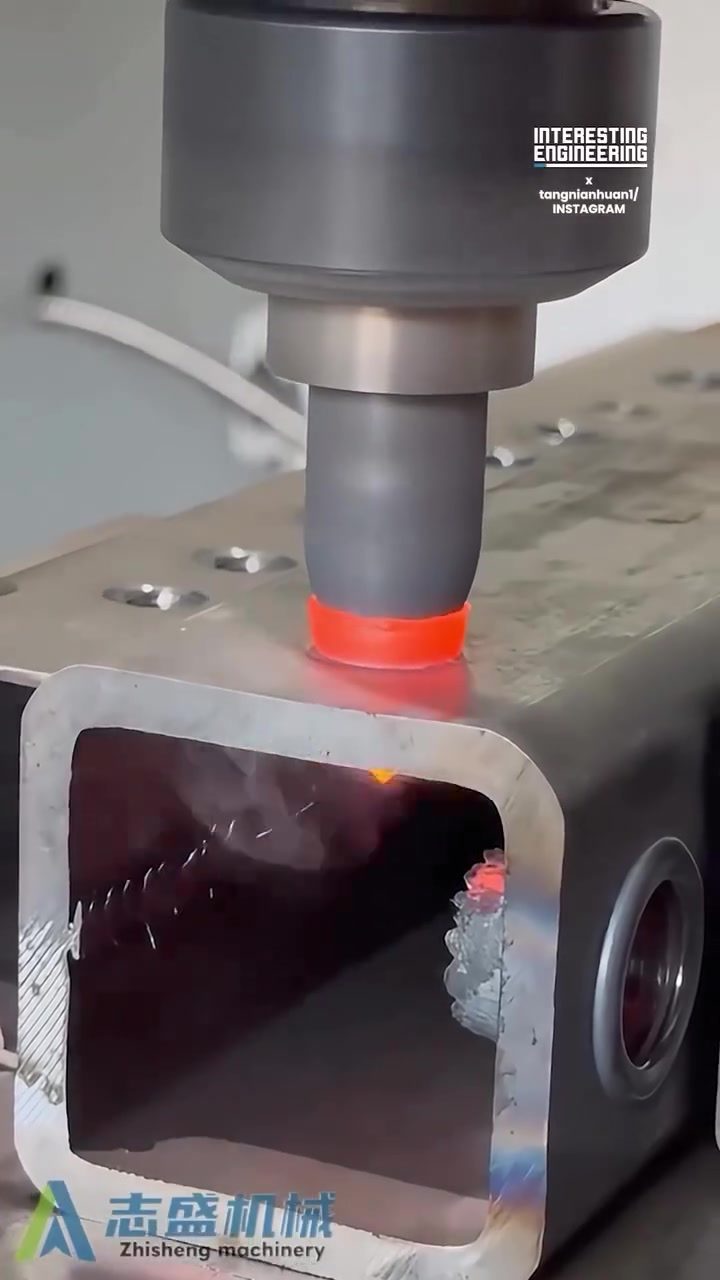
Metal Thread Cutting and CNC Machining
Metal thread cutting is a critical process in manufacturing, particularly for creating strong, reinforced threaded bosses in hollow metal sections. This technique, often referred to as hot extrusion piercing, involves localized heating, piercing, and controlled material flow to form a strong collar without the need for chips, welding, or added inserts. This method is commonly used in structural applications where durability and precision are paramount.
Context / Why This Matters
In modern manufacturing, the efficiency and precision of machining processes are crucial for producing high-quality components. CNC (Computer Numerical Control) machines have revolutionized this field by automating the cutting process, ensuring consistency and reducing the margin for error. The ability to create threaded metal components with precision not only enhances the structural integrity of the final product but also streamlines the manufacturing workflow.
Main Discussion
The Process of Metal Thread Cutting
Metal thread cutting involves several key steps, each contributing to the final strength and precision of the threaded component. The process begins with localized heating of the metal section. This heating softens the material, making it easier to pierce and shape. The next step involves piercing the metal, where a cutting tool moves precisely to create the desired thread pattern. This piercing and shaping process is facilitated by CNC machines, which can control the cutting tool with exceptional accuracy.
The Role of CNC Machines
CNC machines play a pivotal role in metal thread cutting by automating the process and ensuring high precision. These machines use computer-controlled movements to guide the cutting tool along a predetermined path, resulting in consistent and accurate thread formation. The precision of CNC machines is particularly important in structural applications, where even minor deviations can compromise the integrity of the component.
Benefits of Hot Extrusion Piercing
One of the key benefits of hot extrusion piercing is the creation of a strong collar without the need for additional materials. This method avoids the use of chips, welding, or added inserts, which can weaken the structure or introduce potential points of failure. By plastically flowing the material inward, the process ensures a seamless and robust connection, making it ideal for structural applications.
Applications in Manufacturing
Threaded components are essential in various industries, from automotive to aerospace, where structural integrity and precision are critical. The ability to create strong, reinforced threaded bosses through hot extrusion piercing and CNC machining opens up new possibilities for innovation and efficiency in manufacturing. These methods allow for the production of complex shapes and structures that would be difficult to achieve through traditional machining techniques.
Practical Tips
Choosing the Right CNC Machine
Selecting the right CNC machine is crucial for achieving optimal results in metal thread cutting. Key factors to consider include the machine's precision, speed, and compatibility with the type of metal being worked on. Advanced CNC machines often come with features such as automatic tool changers and high-speed spindles, which can significantly enhance productivity and accuracy.
Maintaining Tool Sharpness
The sharpness of the cutting tool is essential for precise and efficient metal thread cutting. Regular maintenance, including sharpening and replacing worn-out tools, ensures that the cutting process remains smooth and accurate. Dull tools can lead to inconsistencies in the thread pattern and may require additional finishing work, increasing production time and costs.
Ensuring Consistent Heating
Consistent heating is another critical factor in hot extrusion piercing. The temperature and duration of heating must be carefully controlled to achieve the desired material flow without compromising the metal's structural integrity. Advanced CNC machines often come with integrated heating systems that can be programmed to maintain precise temperature control throughout the cutting process.
Optimizing Material Flow
Optimizing the material flow during the piercing and shaping process is essential for creating a strong and durable threaded component. This involves careful control of the cutting tool's movement and the application of appropriate force. CNC machines can be programmed to achieve the optimal material flow, ensuring that the final product meets the required specifications.
Important Takeaways
Metal thread cutting and CNC machining have significantly advanced the field of manufacturing, enabling the production of high-quality, precision components. The process of hot extrusion piercing, facilitated by CNC machines, ensures the creation of strong, reinforced threaded bosses without the need for additional materials. This method is particularly advantageous in structural applications, where durability and precision are critical.
By leveraging the capabilities of CNC machines, manufacturers can achieve consistent and accurate thread formation, streamlining the production process and reducing the risk of errors. The precision and efficiency of CNC machining make it an indispensable tool in modern manufacturing, driving innovation and efficiency in various industries.
Conclusion
Metal thread cutting is a vital process in the manufacturing of structural components, and CNC machining has played a pivotal role in advancing this field. The ability to create strong, reinforced threaded bosses through hot extrusion piercing and CNC machining has opened up new possibilities for innovation and efficiency. By adhering to best practices, such as choosing the right CNC machine, maintaining tool sharpness, ensuring consistent heating, and optimizing material flow, manufacturers can achieve exceptional results and stay at the forefront of the industry.
Watch the Reel
Questions readers ask
How does CNC machining improve the hot extrusion piercing process?
CNC machining enhances the hot extrusion piercing process by automating the cutting and piercing actions. This automation ensures high precision and consistency, which are vital for creating durable and high-quality threaded components, such as reinforced bosses in hollow metal sections.
What are the benefits of using CNC machines for metal thread cutting?
Using CNC machines for metal thread cutting offers several benefits, including automated cutting, precise thread formation, and reduced error rates. This results in high-quality structural components without the need for chips, welding, or added inserts, making the process more efficient and reliable.
Can CNC machines handle the localized heating required in hot extrusion piercing?
Yes, CNC machines are capable of integrating the localized heating process required for hot extrusion piercing. They ensure controlled material flow and precise piercing, which are essential for forming strong collars in metal sections, making them ideal for applications where durability and precision are crucial.
How does CNC machining reduce errors in metal piercing?
CNC machining reduces errors in metal piercing through its automated and precise cutting process. By following programmed instructions, CNC machines minimize human error, ensuring that each piece is cut and pierced with consistent accuracy, which is essential for high-quality metalwork.
What role does automation play in CNC extrusion piercing?
Automation in CNC extrusion piercing plays a pivotal role by ensuring high precision and consistency in the piercing process. This automation eliminates the need for manual adjustments and reduces the risk of errors, leading to more efficient and reliable manufacturing of threaded components.
Why is consistency important in CNC machine metalwork, especially in hot extrusion piercing?
Consistency in CNC machine metalwork is crucial for ensuring that each component meets the required specifications. In hot extrusion piercing, consistency ensures that the thread cutting and piercing processes are uniform, leading to high-quality, durable structural components without the need for additional modifications.
How does the precision of CNC machines enhance manufacturing efficiency?
The precision of CNC machines enhances manufacturing efficiency by automating complex cutting and piercing tasks. This reduces the time and effort required for manual adjustments and rework, leading to faster production times and higher output of high-quality components.
Related deep dives
Similar reads based on topic and creator.

Recent articles
Fresh deep dives from the latest Reels we unpacked.




Comments
Be the first to comment.