CNC Machine Operation: A Deep Dive into Precision Engineering
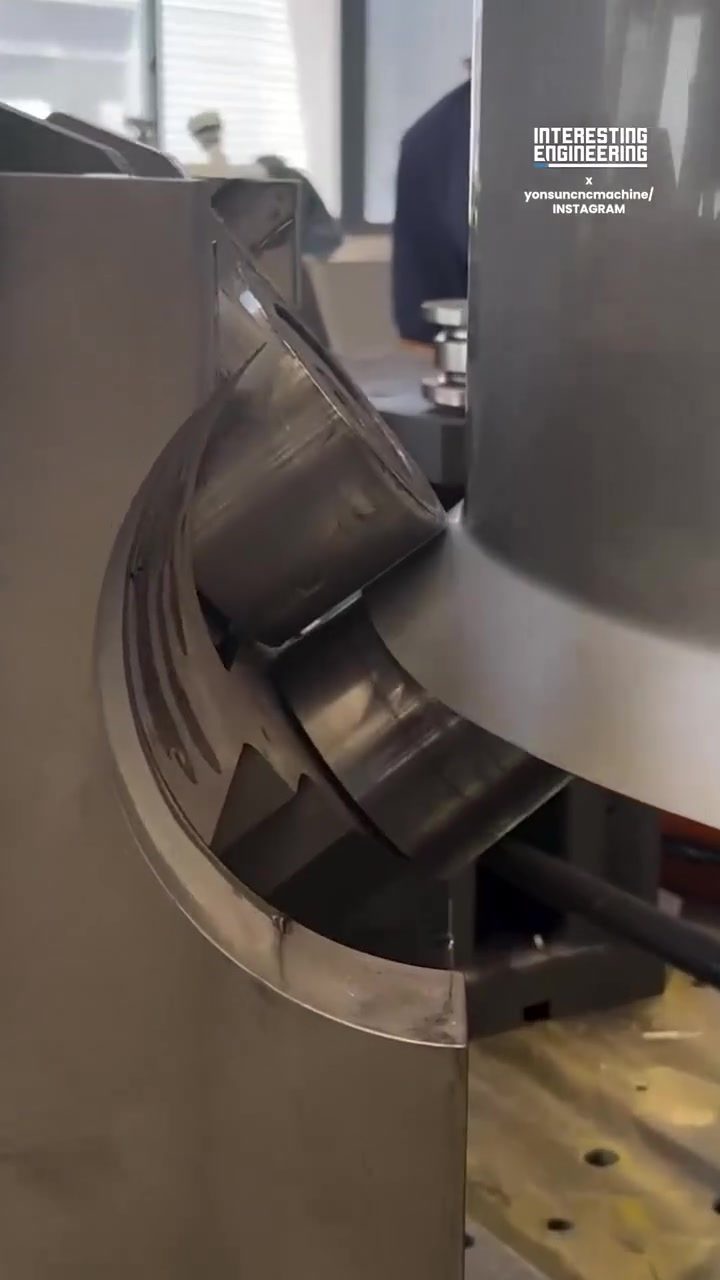
CNC (Computer Numerical Control) machines are at the heart of modern manufacturing, renowned for their precision and versatility. They are used to bend metal, cut, drill, and shape materials into intricate forms. At the center of this process is the metal edge flanging process, where rollers bend a circular plate's edge, forming a smooth, curved rim for welding or assembly.
Context: The Importance of CNC Machines in Manufacturing
In the manufacturing industry, CNC machines are indispensable. These machines, like the one highlighted, utilize computer programming to control machine tools, ensuring high precision and repeatability in the production process. The capability to bend metal using a metal edge flanging process is just one of the many functions that CNC machines offer. This process involves the use of two rollers that apply pressure to the edge of a circular plate, gradually bending it into a desired shape. The resulting smooth, curved rim is ideal for subsequent welding or assembly.
How CNC Machines Work
CNC machines operate by translating design software into precise movements. Here’s a breakdown of the key components and processes involved:
Precision Engineering
Precision engineering is the backbone of CNC machines. These machines are designed to achieve tolerances as small as 0.001 millimeters. This level of accuracy is crucial for applications in aerospace, automotive, and medical industries, where even the slightest deviation can compromise the integrity of the final product. The metal edge flanging process is a testament to this precision, as it requires exact control over the pressure and movement of the rollers.
Key Components
Several key components work together to make a CNC machine function:
- Gears and Spindles: These are essential for the movement and rotation of the machine's parts. Gears ensure smooth and precise motion, while spindles hold and rotate the cutting tools or workpiece.
- Rotating Parts: These include the rollers used in the metal edge flanging process. They are designed to apply consistent pressure and movement to the metal plate, ensuring a smooth and even bend.
- Control Systems: The brain of the machine, the control system interprets the design software and translates it into commands for the machine’s components. This system ensures that every movement is accurate and consistent.
The Metal Edge Flanging Process
The metal edge flanging process is a specialized technique used in CNC machining. Here’s a closer look at how it works:
- Preparation: The circular plate is secured in place, usually on a rotating spindle. The rollers are positioned to apply pressure to the edge of the plate.
- Rolling: The rollers apply pressure to the edge of the plate, gradually bending it. The movement is controlled by the CNC system, ensuring that the bend is smooth and even.
- Finishing: Once the desired shape is achieved, the plate is released. The resulting smooth, curved rim is perfect for welding or assembly.
Practical Tips for Effective CNC Operation
Effective operation of a CNC machine requires careful planning and execution. Here are some practical tips to ensure optimal performance:
- Programming: Accurate programming is crucial. Use high-quality CAD/ CAM software to design your parts and generate the necessary G-code for the CNC machine. Double-check your program for errors before running it.
- Tool Selection: Choose the right cutting tools and rollers for the job. Different materials and thicknesses require different tools to achieve the best results.
- Maintenance: Regular maintenance is essential to keep your CNC machine running smoothly. Lubricate moving parts, check for wear and tear, and replace worn-out components as needed. This will help maintain the machine’s precision and extend its lifespan.
- Safety: Always prioritize safety. Wear appropriate protective gear, follow safety protocols, and ensure that the workpiece is securely fastened to prevent accidents.
Important Takeaways
CNC machines, like the one featured, represent a significant advancement in manufacturing technology. Their precision and versatility make them indispensable in various industries. Understanding the intricacies of CNC operation, such as the metal edge flanging process, can help you leverage these machines more effectively.
Conclusion
CNC machines are a cornerstone of modern manufacturing, offering unparalleled precision and versatility. Whether you are a seasoned engineer or a novice, understanding the workings of a CNC machine can open up a world of possibilities. From the intricate metal edge flanging process to the precision engineering involved, these machines are a testament to human ingenuity and technological advancement. Embrace the power of CNC machines and elevate your manufacturing capabilities to new heights.
Watch the Reel
Questions readers ask
What is metal edge flanging and why is it crucial in manufacturing?
Metal edge flanging is a process where the edge of a metal plate is bent or rolled to create a smooth, curved rim. This process is crucial in manufacturing because it prepares the metal for welding and assembly, ensuring a precise and seamless finish. This is particularly important in industries like aerospace and automotive, where exact dimensions and tolerances are critical.
How do CNC machines enhance the metal edge flanging process?
CNC (Computer Numerical Control) machines use computer programming to control the flanging tools, such as the rollers. This automation provides unmatched precision and repeatability, ensuring that each piece is bent to the exact specifications required. The CNC machine flanging process can handle complex shapes and tight tolerances, making it ideal for intricate manufacturing needs.
What is the role of rollers in the CNC metal edge flanging process?
In the CNC metal edge flanging process, rollers play a pivotal role in bending the metal. They are controlled by the CNC machine to apply precise pressure and movement, shaping the metal edge into the desired form. The rollers work together to create a smooth, curved rim, which is essential for seamless welding and assembly.
Can CNC machines handle different types of metal for flanging?
Yes, CNC machines are highly versatile and can handle a variety of metals, including aluminum, steel, and titanium. The machine's programming can be adjusted to account for the unique properties of each metal, ensuring that the flanging process is optimized for the material being used. This adaptability makes CNC machines a valuable tool in many different manufacturing sectors.
What are the key advantages of using CNC for metal edge flanging in welding?
Using CNC for metal edge flanging in welding offers several key advantages. The high precision of CNC machines ensures that the edges are prepared accurately, which reduces the risk of welding defects. Additionally, the automated process increases efficiency, reduces manufacturing time, and minimizes human error. This results in a higher quality final product, which is essential for industries where reliability and durability are paramount.
How does the CNC metal flanging process ensure high tolerances in industries like aerospace and automotive?
The CNC metal flanging process ensures high tolerances through precise control over the flanging tools. By using computer programming to dictate the movement and pressure of the rollers, the CNC machine can achieve incredibly accurate bends, maintaining the exact dimensions required for critical components. This level of precision is vital in aerospace and automotive industries, where even minor deviations can have significant consequences.
What are some common applications of CNC flanging in the automotive industry?
In the automotive industry, CNC flanging is used in various applications. It is often employed to create precise edges on metal parts, such as body panels, which need to be welded together seamlessly. CNC flanging is also used for preparing parts for assembly, ensuring that each component fits perfectly with the others, enhancing the overall quality and safety of the vehicle.
Related deep dives
Similar reads based on topic and creator.


Recent articles
Fresh deep dives from the latest Reels we unpacked.




Comments
Be the first to comment.