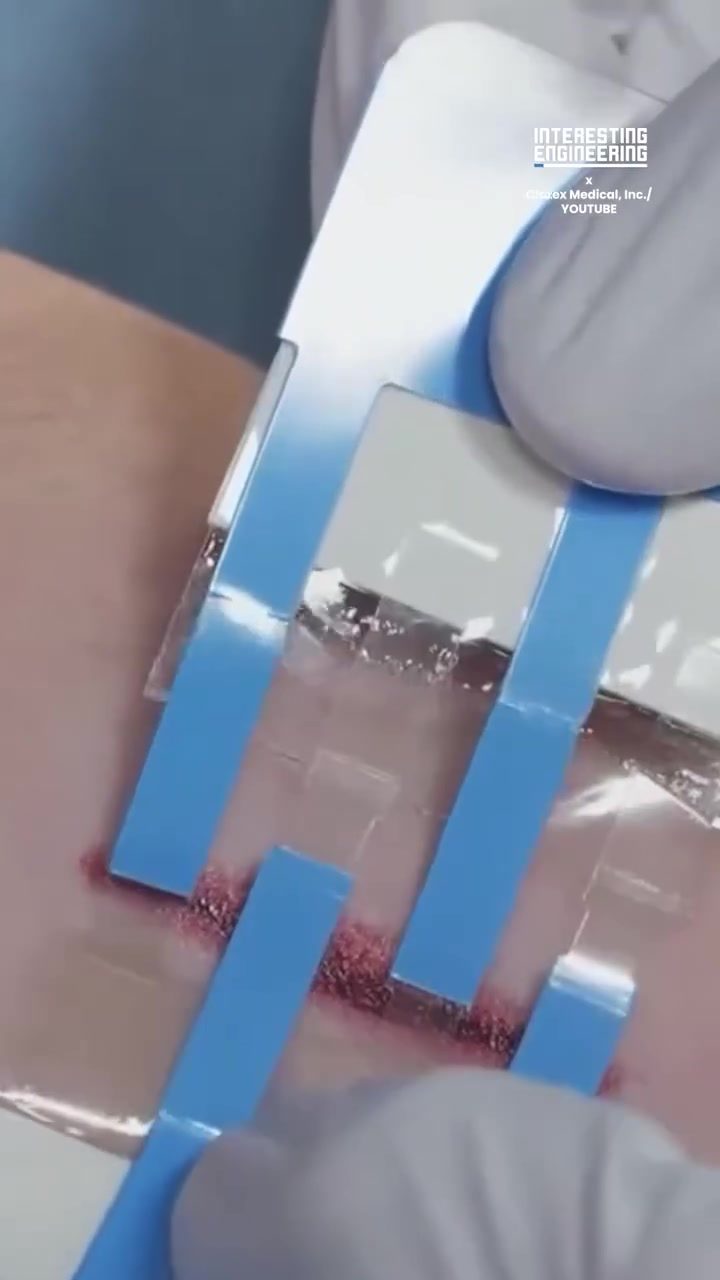
Medical Devices for Wound Closure
Medical devices are revolutionizing wound care, offering precise and non-invasive alternatives to traditional methods. Among these innovations, adhesive wound closure devices are gaining traction for their ability to align wound edges and apply adhesive strips, providing a non-invasive alternative to stitches. These devices, like those developed by Clozex Medical, Inc., are designed to simplify the wound closure process, making it more efficient and comfortable for patients.
Context / Why this matters
Traditional wound closure techniques, such as sutures and staples, have long been the standard in medical practice. However, they come with several drawbacks, including the need for skilled application, potential scarring, and the risk of infection. Adhesive wound closure devices address these issues by providing a simpler, more patient-friendly method of wound closure.
Main discussion
The Mechanics of Adhesive Wound Closure
Adhesive wound closure devices work by aligning the edges of a wound and applying adhesive strips to hold them together. This process is typically straightforward and can be performed in a few simple steps. First, the device aligns the wound edges, ensuring they are properly positioned for optimal healing. Then, it applies adhesive strips, which are designed to adhere to the skin and hold the wound edges in place. The precision of these devices is a key factor in their effectiveness, as they ensure that the wound edges are perfectly aligned, promoting faster and more effective healing.
Precision and Accuracy
The precision of adhesive wound closure devices is a significant advantage. Unlike traditional methods, which rely on the skill of the practitioner, these devices use advanced technology to ensure that the wound edges are aligned with high accuracy. This precision is crucial for minimizing scarring and promoting better healing outcomes. For example, the devices manufactured by Clozex Medical, Inc. are equipped with mechanisms that ensure the wound edges are perfectly aligned, reducing the risk of uneven healing and scarring.
The Role of Adhesive Strips
Adhesive strips play a critical role in the functionality of these devices. These strips are designed to be strong and flexible, providing a secure hold without causing discomfort. They are typically made from medical-grade materials that are biocompatible and hypoallergenic, making them suitable for a wide range of patients. The strips are applied in a way that distributes pressure evenly across the wound, ensuring that the edges remain aligned and promoting faster healing.
Non-Invasive and Patient-Friendly
One of the most significant advantages of adhesive wound closure devices is their non-invasive nature. Unlike sutures and staples, which require puncturing the skin, these devices work by applying adhesive strips, making the process less painful and more comfortable for the patient. This non-invasive approach also reduces the risk of infection, as there are no punctures or incisions that can serve as entry points for bacteria. This makes adhesive wound closure devices an excellent option for patients who are at a higher risk of infection or have conditions that make traditional wound closure methods more challenging.
Practical tips
Choosing the Right Device
When selecting an adhesive wound closure device, it's important to consider the specific needs of the patient and the type of wound. Some devices are designed for use on specific areas of the body, while others are more versatile. It's also important to consider the size and shape of the wound, as different devices may be better suited for different types of wounds.
Preparing the Wound
Before applying an adhesive wound closure device, it's important to properly prepare the wound. This involves cleaning the area thoroughly to remove any dirt or debris and ensuring that the skin around the wound is dry. This will help the adhesive strips to adhere more effectively and provide a stronger hold.
Applying the Device
Applying the device correctly is crucial for ensuring effective wound closure. Follow the manufacturer's instructions carefully to ensure that the wound edges are properly aligned and that the adhesive strips are applied evenly. This will help to promote faster healing and minimize the risk of scarring.
Monitoring the Healing Process
After applying the adhesive wound closure device, it's important to monitor the healing process closely. Check the wound regularly to ensure that the adhesive strips are still in place and that the wound edges are remaining aligned. If you notice any signs of infection or complications, consult a healthcare professional for further advice.
Important takeaways
- Precision: Adhesive wound closure devices offer precise alignment of wound edges, promoting faster and more effective healing.
- Non-Invasive: These devices provide a non-invasive alternative to traditional methods, making them more comfortable and less painful for patients.
- Ease of Use: Adhesive wound closure devices are generally easy to use, reducing the need for skilled practitioners and making them suitable for a wide range of settings.
- Reduced Risk of Infection: The non-invasive nature of these devices reduces the risk of infection, making them a safer option for patients.
- Versatility: These devices can be used for a variety of wounds and are suitable for different areas of the body.
Conclusion
Adhesive wound closure devices, such as those developed by Clozex Medical, Inc., represent a significant advancement in wound care. Their precision, non-invasive nature, and ease of use make them an excellent alternative to traditional methods. By aligning wound edges and applying adhesive strips, these devices promote faster and more effective healing, reducing the risk of scarring and infection. As medical technology continues to evolve, devices like these will play an increasingly important role in improving patient outcomes and enhancing the quality of care.
Watch the Reel
Questions readers ask
How do Clozex Medical's devices achieve precise wound closure?
Clozex Medical's devices use advanced mechanisms to align wound edges with high accuracy. These tools employ medical adhesive strips to securely close wounds, ensuring precise alignment and promoting faster healing.
What are the benefits of using non-invasive wound closure devices like those from Clozex Medical?
Non-invasive wound closure devices offer several benefits, including reduced scarring, faster healing times, and the convenience of self-application. They eliminate the need for traditional sutures, making the process more comfortable and efficient for patients.
Can patients apply Clozex Medical's non-invasive wound closure devices themselves?
Yes, Clozex Medical's devices are designed to be user-friendly, allowing patients to handle the wound closure process independently. This self-applied method simplifies aftercare and reduces the need for medical professional intervention.
How do adhesive wound closure devices compare to traditional sutures?
Adhesive wound closure devices provide a non-invasive alternative to traditional sutures. Unlike sutures, which require skilled application and may result in scarring, these devices use medical adhesive strips to close wounds, offering a more comfortable and efficient solution.
Are there any risks associated with using non-invasive wound closure devices?
Non-invasive wound closure devices, like those from Clozex Medical, generally have fewer risks compared to traditional sutures. However, it's important to follow the instructions carefully to ensure proper alignment and secure closure, minimizing the risk of infection or improper healing.
What makes Clozex Medical's non-invasive wound closure devices stand out?
Clozex Medical's devices stand out due to their precision in aligning wound edges, ease of use, and the ability to promote faster healing. These features make them a reliable and convenient option for patients seeking non-invasive wound closure solutions.
How do adhesive strips contribute to the wound healing process?
Adhesive strips used in Clozex Medical's devices contribute to faster healing by securely holding wound edges together. This promotes better tissue alignment and reduces the risk of infection, leading to improved wound closure and minimal scarring.
Recent articles
Fresh deep dives from the latest Reels we unpacked.




Comments
Be the first to comment.