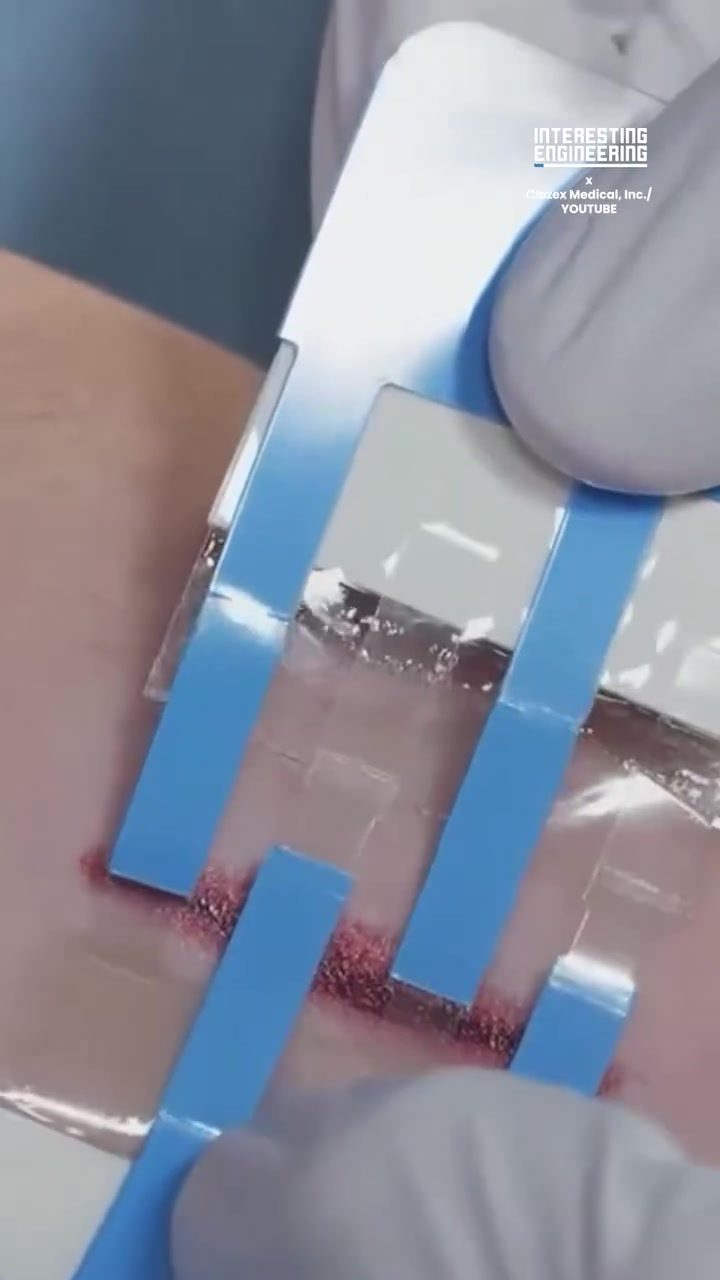
Medical Device Advancements in Wound Care
Medical innovations continue to revolutionize patient care, offering new solutions for common medical challenges, including wound closure. One of the most promising developments in this area is the use of medical devices that align the edges of a wound and apply adhesive strips to hold them together. This non-invasive alternative to traditional stitches is gaining traction for its efficiency and patient comfort.
Context / Why this matters
Wound care is a critical aspect of medical treatment, affecting patients from all walks of life, from athletes to the elderly. Traditional methods of wound closure, such as sutures and staples, have long been the standard. However, these methods come with certain drawbacks, including the risk of infection, scarring, and patient discomfort. Medical devices that offer non-invasive alternatives are transforming this landscape. They provide a faster, more comfortable healing process, reducing the need for follow-up care and minimizing the risk of complications.
Main discussion
The Process of Wound Closure with Medical Devices
The medical device in question is designed to precisely align the edges of a wound, ensuring that the tissue is properly positioned for optimal healing. The device then applies adhesive strips to hold the wound edges together, eliminating the need for traditional stitches. This process is particularly useful in cases where precision and minimal invasiveness are crucial.
The precision engineering of these devices is a key factor in their effectiveness. The devices are designed to make small, accurate incisions and insert components with surgical accuracy. This level of precision ensures that the wound edges are aligned perfectly, promoting faster and more effective healing.
Medical Device Demonstration
Imagine a small, rectangular component being inserted under the skin. The process involves precise placement and manipulation of the device, focusing on surgical accuracy. A small incision is made, and the device is used to align the wound edges. The adhesive strips are then applied to hold the edges together, creating a secure closure.
The demonstration highlights the ease of use and the minimal invasiveness of the procedure. The patient's arm, for instance, shows a small incision where the device has been used. The incision is clean and precise, with the adhesive strips holding the wound edges together neatly.
Benefits of Non-Invasive Wound Closure
Non-invasive wound closure offers several benefits over traditional methods. Firstly, it reduces the risk of infection since there are no foreign objects left in the wound. Secondly, it minimizes scarring, as the adhesive strips are less likely to cause tissue damage compared to sutures or staples. Lastly, it provides a more comfortable experience for the patient, as there is less pain and discomfort associated with the procedure.
Patient Experience and Comfort
Patient comfort is a significant factor in the adoption of non-invasive wound closure methods. Traditional methods, such as sutures, can be painful and may require local anesthesia. In contrast, the use of adhesive strips is generally painless and does not require anesthesia. This makes the procedure more comfortable for the patient and reduces the need for follow-up care, such as suture removal.
Precision and Accuracy
The precision engineering of these medical devices is a game-changer in wound care. The devices are designed to make small, accurate incisions and insert components with surgical accuracy. This level of precision ensures that the wound edges are aligned perfectly, promoting faster and more effective healing.
The process involves precise placement and manipulation of the device, with a focus on surgical accuracy. The small, rectangular component is inserted under the skin, and the device is used to align the wound edges. The adhesive strips are then applied to hold the edges together, creating a secure closure.
Practical tips
Choosing the Right Medical Device
When selecting a medical device for wound closure, it is essential to consider the specific needs of the patient and the type of wound. For example, deeper wounds may require more robust adhesive strips or additional support. It is also important to ensure that the device is approved for use and meets the necessary regulatory standards.
Proper Application Techniques
Proper application techniques are crucial for the success of non-invasive wound closure. Ensure that the wound edges are aligned correctly before applying the adhesive strips. This will promote faster and more effective healing. Additionally, follow the manufacturer's instructions for the best results.
Post-Procedure Care
Post-procedure care is essential for promoting healing and minimizing the risk of complications. Keep the wound clean and dry, and avoid activities that may strain or irritate the area. Regularly check the wound for signs of infection, such as redness, swelling, or discharge. If any of these symptoms occur, seek medical attention promptly.
Important takeaways
- Non-invasive wound closure methods are revolutionizing patient care by providing efficient, comfortable, and effective solutions.
- Precision engineering ensures that wound edges are aligned perfectly, promoting faster and more effective healing.
- Patient comfort is a significant factor in the adoption of non-invasive wound closure methods, as they are generally painless and do not require anesthesia.
- Proper application techniques and post-procedure care are crucial for the success of non-invasive wound closure.
Conclusion
Medical devices that align the edges of a wound and apply adhesive strips offer a promising alternative to traditional wound closure methods. Their precision, efficiency, and patient comfort make them a valuable addition to modern medical practices. As technology continues to advance, we can expect even more innovative solutions in wound care, further improving patient outcomes and quality of life.
Watch the Reel
Questions readers ask
How does the Clozex Medical Device work for wound closure?
The Clozex Medical Device works by using adhesive strips to align and hold the edges of a wound together. This non-invasive approach eliminates the need for traditional sutures or staples, promoting efficient and comfortable healing.
What are the benefits of using the Clozex Medical Device over traditional stitches?
The Clozex Medical Device offers several benefits over traditional stitches. It reduces the risk of infection, minimizes scarring, and provides a more comfortable experience for the patient. Additionally, it is a non-invasive wound closure solution, which can be less painful.
Can the Clozex Medical Device be used on all types of wounds?
The Clozex Medical Device is designed for various types of wounds, but its suitability depends on the specific characteristics of the wound, such as size and depth. It is best to consult with a healthcare professional to determine if this device is appropriate for a particular wound.
How does the Clozex Medical Device align wound edges?
The Clozex Medical Device uses a unique mechanism to align the edges of a wound by applying medical adhesive strips. These strips are designed to gently pull the wound edges together, ensuring proper alignment without the need for invasive procedures.
Is the Clozex Medical Device painful to apply?
The Clozex Medical Device is generally considered less painful than traditional methods like sutures or staples. The adhesive strips are applied gently, minimizing discomfort for the patient during the wound closure process.
How long does it take for a wound to heal using the Clozex Medical Device?
The healing time for a wound closed with the Clozex Medical Device can vary depending on the size and depth of the wound, as well as the individual's overall health. However, the non-invasive nature of the device can often promote faster and more comfortable healing compared to traditional methods.
Can the Clozex Medical Device be used for deep wounds?
The Clozex Medical Device is typically recommended for superficial to moderate wounds rather than deep wounds. For deep wounds, traditional methods such as sutures or other medical interventions may be more appropriate, and a healthcare professional should be consulted for the best treatment options.
Recent articles
Fresh deep dives from the latest Reels we unpacked.




Comments
Be the first to comment.