Natural Toothache Remedy
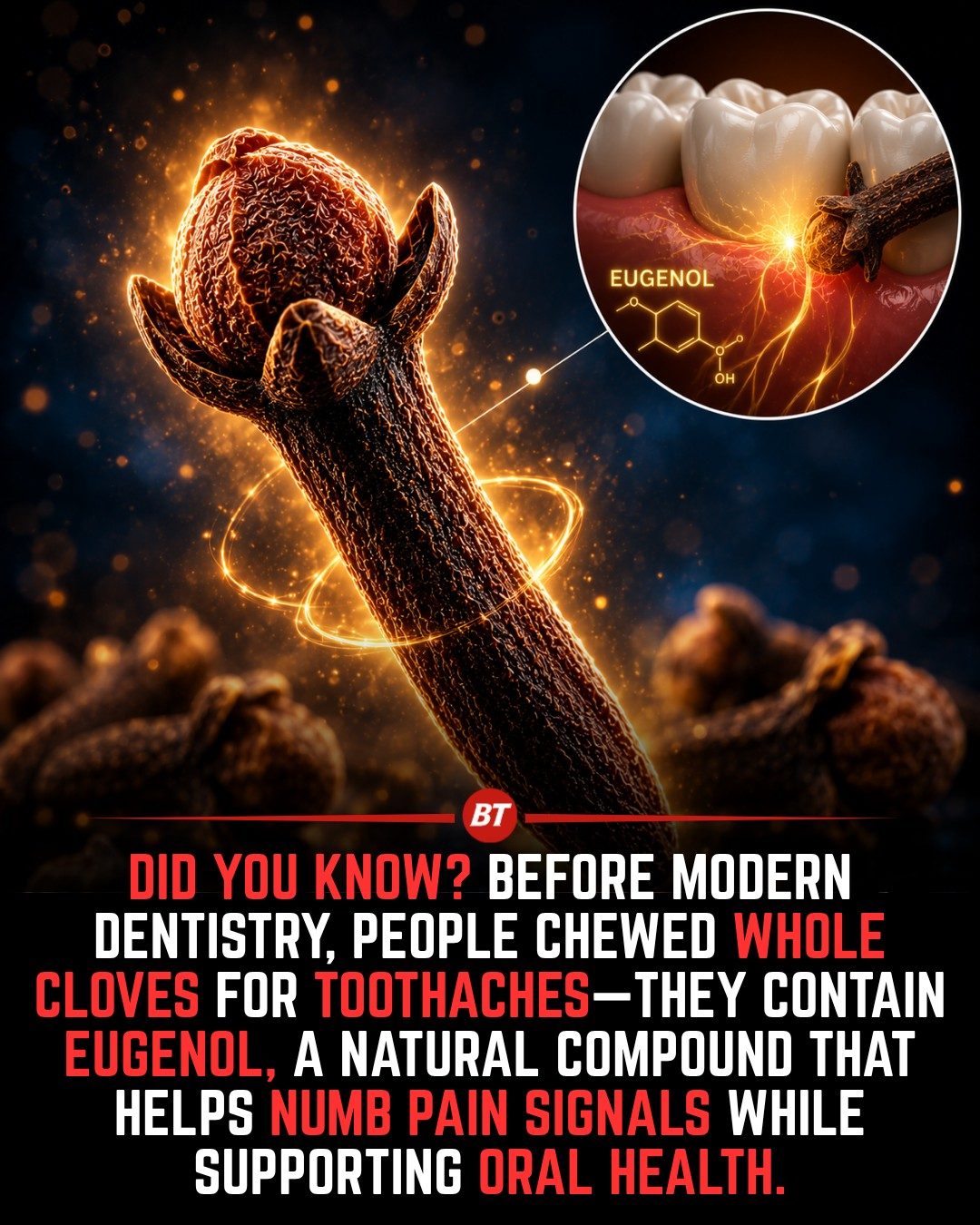
Long before modern dentistry emerged, people around the world turned to whole cloves to help relieve toothaches. This traditional remedy has withstood the test of time, and modern science has identified the natural compound responsible for its effectiveness: eugenol.
Why This Matters
The oral health of many people has improved dramatically with advances in dentistry, but toothaches remain a common and uncomfortable experience. Natural remedies like cloves offer a potential solution that can provide temporary relief while awaiting professional dental care.
Understanding Cloves and Eugenol
Cloves are small, dried flower buds native to Indonesia and other parts of Southeast Asia. They have been used for centuries in various cultures for their medicinal properties, particularly for dental pain relief. The key component in cloves that makes them effective for this purpose is eugenol.
The Role of Eugenol
Eugenol is an aromatic plant compound found in abundance in cloves. It has been extensively studied for its local anesthetic, anti-inflammatory, and antimicrobial properties. The compound works by interfering with pain signals in nearby nerves, thereby reducing pain. This is why cloves have been a trusted natural remedy for tooth discomfort for so many years.
Modern Dental Use of Eugenol
Even today, eugenol remains an important ingredient in modern dentistry. Dentists commonly use it in temporary fillings, dental cements, and soothing dressings. Eugenol's ability to calm irritated tooth pulp and provide mild antibacterial effects makes it a valuable component in many dental procedures.
Dentistry Applications
Eugenol is often used in temporary fillings and cements to help calm irritated tooth pulp. It also provides mild antibacterial effects, which can be beneficial in various dental procedures. Its use in dentistry demonstrates how traditional herbal remedies can successfully transition into modern medical practice, providing a bridge between ancient wisdom and contemporary science.
Supporting Oral Health
Clove oil, derived from the essential oil of cloves, exhibits antimicrobial properties that can inhibit the growth of several bacteria associated with tooth decay and gum disease. Specifically, clove oil can target bacteria like Streptococcus mutans, which is a major contributor to tooth decay. While cloves are not a substitute for regular brushing, flossing, or professional dental care, incorporating them into an oral health routine may help maintain a healthier oral environment.
Practical Tips for Using Cloves
For mild toothaches, gently chewing a whole clove or placing it near the affected tooth can provide temporary relief. Chewing the clove releases eugenol into the mouth, helping to numb the area and reduce pain. Be cautious, and avoid using concentrated clove essential oil directly on the gums, as it can irritate or even burn delicate oral tissues if used improperly.
Important Takeaways
Cloves, with their rich content of eugenol, offer a natural and time-tested remedy for toothaches. While they are effective for temporary relief, persistent tooth pain often signals an underlying problem, such as a cavity, cracked tooth, or infection, and should be addressed by a dental professional. However, this natural remedy continues to be a valuable tool in modern dentistry, demonstrating the enduring relevance of traditional herbal remedies.
Conclusion
Cloves and their active compound, eugenol, provide a natural and effective way to manage toothaches. From ancient remedies to modern dental practices, the benefits of cloves are well-documented and supported by science. For those seeking a natural solution to mild tooth discomfort, incorporating cloves into your oral care routine can be a beneficial addition.
Watch the Reel
Related deep dives
Similar reads based on topic and creator.




Recent articles
Fresh deep dives from the latest Reels we unpacked.




Comments
Be the first to comment.