Parasite Cleanses and the Role of Cloves
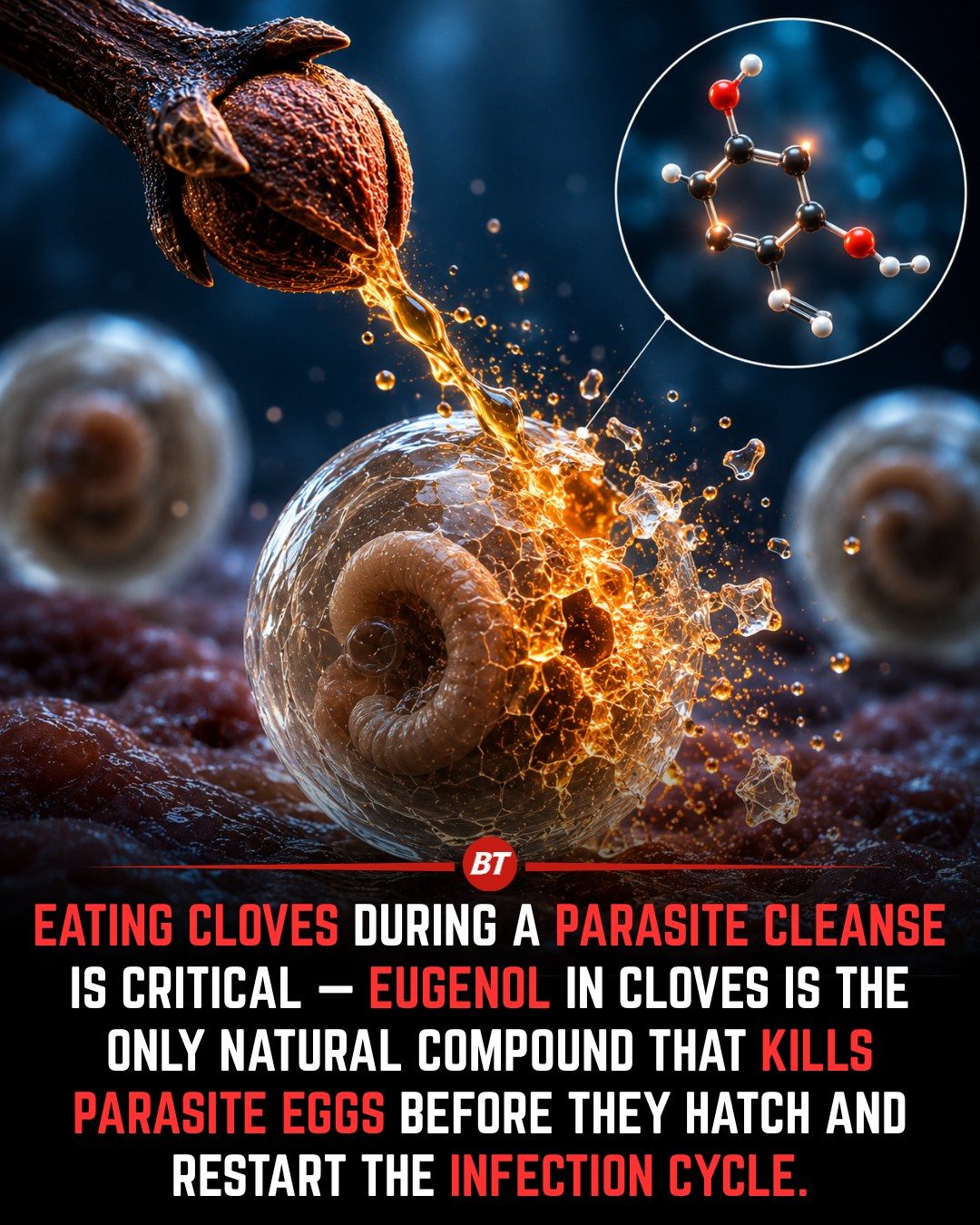
Cloves have long been recognized for their culinary and medicinal properties, but their role in parasite control is particularly noteworthy. Cloves are rich in eugenol, a potent plant compound that has garnered significant attention from scientists for its antimicrobial, antifungal, and antiparasitic properties. This compound is especially notable for its ability to target parasite eggs, making cloves a crucial component in natural parasite cleansing regimens.
Why This Matters
Parasitic infections can have severe health implications, affecting digestion, nutrient absorption, and overall well-being. Traditional treatments often involve pharmaceuticals, but there is growing interest in natural remedies due to their potential benefits and fewer side effects. Cloves, with their high concentration of eugenol, offer a promising natural approach to managing and preventing parasitic infections.
The Science Behind Cloves and Parasite Control
Eugenol: The Key Compound
Eugenol is a phenolic compound found in high concentrations in cloves. Unlike many other culinary spices, cloves contain exceptionally high levels of eugenol, which plays a critical role in protecting the plant from pests and microbes. In the context of human health, eugenol has shown activity against various parasites, their larvae, and eggs. This makes cloves an area of growing interest in natural product research.
Laboratory and Animal Studies
Studies have consistently shown that eugenol has broad antimicrobial and antiparasitic potential. A 2023 review published in Frontiers in Pharmacology highlighted eugenol's effectiveness against several intestinal parasites. Experimental studies have reported that eugenol can disrupt the lifecycle of parasites by preventing their eggs from hatching, thereby breaking the infection cycle.
Human Clinical Trials
While the evidence from laboratory and animal studies is compelling, researchers emphasize the need for more high-quality human clinical trials. Most of the current data comes from controlled environments, and real-world applications in humans require further validation. However, the existing research provides a strong foundation for exploring cloves as a natural remedy for parasitic infections.
Practical Tips for Incorporating Cloves into Your Diet
Daily Consumption
Incorporating cloves into your daily diet can be both easy and enjoyable. Here are a few practical tips:
- Herbal Tea: Add 2–3 whole cloves to your favorite herbal tea for a warm, aromatic beverage.
- Cooking: Include whole cloves in slow-cooked dishes like stews, soups, and curries.
- Beverages: Stir ¼ teaspoon of ground cloves into smoothies, coffee, or warm milk for a flavor boost.
- Baking: Use ground cloves in baking recipes for added flavor and potential health benefits.
- Moderation: Cloves are highly concentrated, so it's best to enjoy them in moderation as part of a varied diet.
Clove-Based Recipes
Here are a few recipe ideas to help you incorporate cloves into your meals:
- Clove-Spiced Oatmeal: Add a pinch of ground cloves to your morning oatmeal along with honey and cinnamon for a flavorful and nutritious breakfast.
- Clove-Infused Tea: Brew a cup of chamomile tea and steep 2-3 whole cloves in it for a soothing evening beverage.
- Clove-Enhanced Smoothies: Blend a frozen banana, a cup of almond milk, a tablespoon of chia seeds, and ¼ teaspoon of ground cloves for a creamy, antioxidant-packed smoothie.
Important Takeaways
- Eugenol's Unique Properties: Eugenol in cloves is the only natural compound known to kill parasite eggs, making it a crucial component in natural parasite cleansing.
- Parasite Control: Cloves can disrupt the parasite lifecycle by preventing eggs from hatching, which helps break the infection cycle.
- Dietary Integration: Incorporating cloves into your diet through herbal teas, cooking, and baking can be both delicious and beneficial.
Conclusion
Cloves, with their high concentration of eugenol, offer a natural and effective method for parasite control. While more human clinical trials are needed to fully validate their use, the existing research provides a strong foundation for incorporating cloves into your health regimen. By adding cloves to your diet, you can harness their antimicrobial and antiparasitic properties to support your overall well-being.
Watch the Reel
Questions readers ask
How does eugenol in cloves help combat parasitic infections?
Eugenol, the key compound in cloves, exhibits strong antiparasitic properties. It targets and disrupts parasite eggs, preventing their hatching and development. This makes cloves an effective natural remedy for controlling parasitic infections.
Can cloves be used as a natural parasite treatment for humans?
Yes, cloves can be a useful part of a natural parasite treatment due to the antimicrobial and antiparasitic properties of eugenol. Incorporating cloves into your diet or using them in specific cleansing regimens can help combat parasite infections.
What do laboratory studies reveal about the effectiveness of cloves against parasites?
Laboratory studies have shown that cloves have potent antiparasitic properties. They have demonstrated that eugenol can disrupt the life cycle of parasites, particularly by targeting their eggs, thus preventing their growth and spread.
Are there any animal studies supporting the use of cloves for parasite control?
Yes, animal studies have also supported the efficacy of cloves in parasite control. These studies have shown that eugenol can help protect against parasites by disrupting their eggs and inhibiting their development, making cloves a viable natural option for parasite management.
How can I incorporate cloves into my diet to benefit from their antiparasitic properties?
You can incorporate cloves into your diet by adding them to meals, teas, or using clove oil. Cloves can be used in cooking, baking, or even in herbal teas. Clove oil can be taken orally or used in aromatherapy, but always consult a healthcare provider before starting any new supplement regimen.
What other health benefits does eugenol, the compound in cloves, offer?
Eugenol, in addition to its antiparasitic properties, offers several other health benefits. It has strong antimicrobial and anti-inflammatory properties, making it useful in oral health, pain relief, and even in combating certain infections.
Why are natural treatments like cloves gaining popularity in parasite control?
Natural treatments like cloves are gaining popularity due to their potential benefits and fewer side effects compared to traditional pharmaceuticals. They provide a more holistic approach to health, focusing on plant-based remedies that can be integrated into daily life effectively.
Related deep dives
Similar reads based on topic and creator.




Recent articles
Fresh deep dives from the latest Reels we unpacked.




Comments
Be the first to comment.