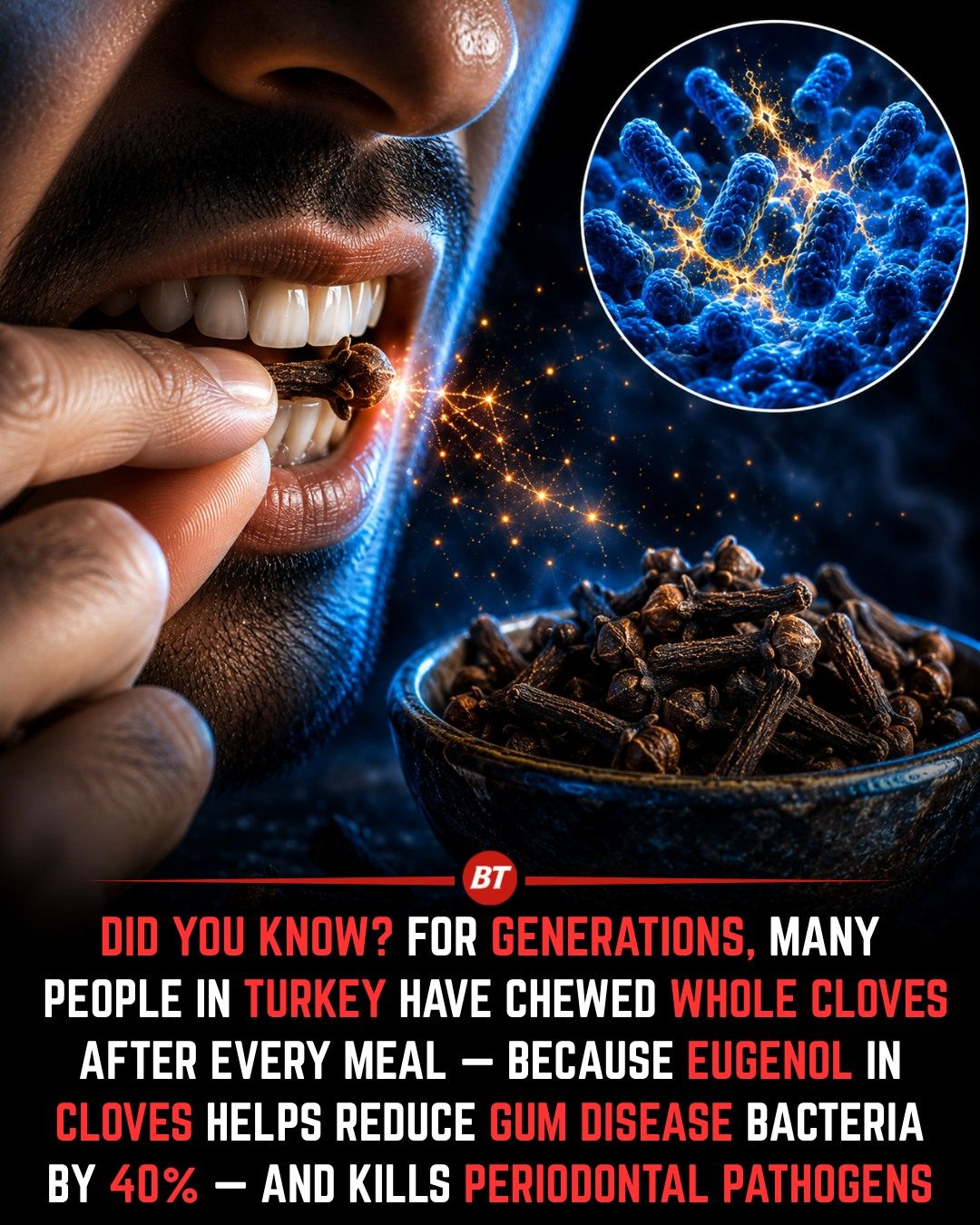
Oral Health with Cloves: A Traditional Practice with Modern Benefits
Chewing whole cloves after meals is a tradition that has been practiced for generations in parts of Turkey and the Middle East. This simple practice offers more than just a refreshing taste; it harnesses the power of eugenol, a natural compound found in cloves with potent antimicrobial and antioxidant properties. Exploring the benefits of this ancient tradition can provide valuable insights into natural oral health practices.
Why This Matters
Good oral health is crucial for overall well-being. Bacteria in the mouth can lead to various oral health issues, including gum disease and cavities. Maintaining a healthy oral environment can prevent these problems and contribute to better overall health. Chewing cloves offers a natural way to support oral hygiene, complementing modern dental practices.
Exploring the Benefits of Cloves for Oral Health
The Power of Eugenol
Cloves are the richest natural source of eugenol, a powerful plant compound. Eugenol has been shown in laboratory studies to inhibit the growth of bacteria associated with plaque formation, gum inflammation, and periodontal disease. This makes cloves a valuable addition to any oral hygiene routine.
Reducing Gum Disease Bacteria
The eugenol in cloves has been found to reduce gum disease bacteria by up to 40%. This is particularly important because gum disease, if left untreated, can lead to more serious health issues, including heart disease and diabetes. By incorporating cloves into a regular oral care routine, individuals can help prevent gum disease and support overall health.
Killing Periodontal Pathogens
In addition to reducing bacteria, eugenol in cloves can kill periodontal pathogens. These pathogens are responsible for more severe forms of gum disease, including periodontitis. By destroying these harmful pathogens, cloves can help prevent the progression of gum disease and maintain oral health.
Practical Tips for Incorporating Cloves into Oral Care
Chewing Cloves After Meals
After a meal, gently chew one whole clove for a few minutes to release its natural oils. This process allows the eugenol and other beneficial compounds to interact with your oral environment, helping to freshen breath and reduce bacteria. Discard the clove after chewing.
Stimulating Saliva Production
Chewing cloves also stimulates saliva production. Saliva is essential for oral health as it helps rinse away food particles, neutralize acids, and maintain a healthier environment inside the mouth. Increased saliva production can further support good oral hygiene.
Complementing Good Oral Hygiene
While chewing cloves is not a replacement for brushing, flossing, or regular dental checkups, it can be a simple traditional practice that complements good oral hygiene. Incorporating cloves into your routine can provide additional benefits, especially for those who struggle with bad breath or gum disease.
Important Takeaways
- Eugenol in Cloves: The richest natural source of eugenol is cloves, which offers antimicrobial and antioxidant benefits.
- Reducing Bacteria: Laboratory studies have shown that eugenol can help inhibit the growth of bacteria associated with plaque formation, gum inflammation, and periodontal disease.
- Killing Pathogens: Eugenol in cloves can kill periodontal pathogens, helping to prevent the progression of gum disease.
- Stimulating Saliva: Chewing cloves stimulates saliva production, which naturally helps rinse away food particles, neutralize acids, and maintain a healthier environment inside the mouth.
Conclusion
Chewing whole cloves after meals is a simple and effective way to support oral health. This traditional practice, rooted in the rich cultural heritage of Turkey and the Middle East, offers modern benefits backed by scientific research. Incorporating cloves into your oral care routine can complement good dental hygiene practices, helping to prevent gum disease and maintain a healthier mouth.
Watch the Reel
Questions readers ask
What is eugenol and why is it beneficial for oral health?
Eugenol is a natural compound found in cloves. It possesses strong antimicrobial and antioxidant properties, making it effective in fighting bacteria and inflammation in the mouth, which are common causes of oral health issues. This is why chewing cloves can be beneficial for maintaining good oral hygiene.
How does chewing cloves help prevent gum disease?
Chewing cloves introduces eugenol into the mouth, which has antibacterial properties. These properties help to control the growth of bacteria that can lead to gum disease, also known as periodontal disease. This natural remedy can be a useful addition to daily oral care routines for gum disease prevention.
What are the benefits of eugenol in dental health?
Eugenol, derived from cloves, has been shown to have strong antibacterial effects, making it useful in dental health. It helps to combat the harmful bacteria in the mouth that can cause cavities and gum disease. Additionally, its anti-inflammatory properties can aid in reducing pain and swelling associated with dental issues.
Are there any side effects of chewing cloves for oral health?
Chewing cloves is generally safe for most people, but it may cause temporary numbness in the mouth due to the numbing effect of eugenol. This effect is usually harmless and wears off quickly. However, people with allergies to cloves or those with certain dental conditions should consult a dental professional before incorporating this practice into their routine.
How do traditional practices from Turkey and the Middle East utilize cloves for oral health?
In Turkey and the Middle East, it is a traditional practice to chew whole cloves after meals. This practice helps to freshen breath and promote oral health by leveraging the antimicrobial properties of eugenol. By incorporating this simple habit, individuals in these regions have long benefited from the natural oral health benefits of cloves
Can eugenol be used to treat existing periodontal disease?
Eugenol has shown promise in managing periodontal disease due to its natural antibacterial and anti-inflammatory properties. It can help reduce bacterial growth and inflammation in the gums. While it is not a standalone treatment for periodontal disease, it can be a beneficial supplement to conventional dental treatments. Always consult a dental professional for personalized advice on treating periodontal disease.
How long should one chew cloves for optimal oral health benefits?
To experience the oral health benefits of cloves, it is recommended to chew 1-2 whole cloves for about 5-10 minutes after meals. This duration allows the eugenol to be released and interact with the oral bacteria. However, it's important not to swallow the cloves, as they are difficult to digest and can cause irritation in the throat. If you experience any discomfort, stop the practice and consult a dental professional.
Related deep dives
Similar reads based on topic and creator.




Recent articles
Fresh deep dives from the latest Reels we unpacked.




Comments
Be the first to comment.