Climate Change Concerns: Scientific Perspectives and Urgency
Climate change is a pressing global issue, with recent extreme weather events highlighting significant blind spots in current climate science. These events, while extraordinary, have not rendered climate models obsolete. Instead, they underscore the need for more nuanced understanding and preparedness.
Why This Matters
Climate change is not just an abstract concept; it is a tangible reality impacting every corner of the globe. Understanding the nuances of climate science is crucial for developing effective mitigation and adaptation strategies. Recent extreme weather events have brought to light the limitations of current climate models in predicting the exact location, timing, and severity of regional events.
Main Discussion
Extreme Weather Events and Climate Models
Recent years have witnessed unprecedented weather events. In 2026, Western Europe experienced its hottest June on record, with temperatures soaring 3.05°C above the 1991–2020 average. This is just one example of the "record-shattering" extremes that scientists are increasingly concerned about. These events do not merely break previous records; they exceed them by surprisingly large margins.
Climate models have successfully predicted the broad direction of change, including rising global temperatures, more frequent and intense heatwaves, heavier rainfall, and melting ice. However, accurately forecasting the specifics of extreme events, especially when multiple hazards occur simultaneously, remains challenging. The mismatch between observed increases in extreme heat and model projections in certain regions highlights these limitations.
The Role of the Oceans
The oceans are a critical component of the Earth's climate system, and recent data shows alarming trends. Ocean heat content reached a record high in 2025, marking the ninth consecutive annual record. The rate of ocean warming from 2005 to 2025 was more than twice that observed between 1960 and 2005. This rapid warming has significant implications for marine ecosystems and global weather patterns.
Scientists are closely monitoring potential tipping points, including the Amazon rainforest and the Atlantic Meridional Overturning Circulation (AMOC). The AMOC, which plays a crucial role in regulating global climate, is projected to weaken as the planet warms. Researchers continue to debate how quickly it could approach a tipping point, but the latest evidence does not indicate an imminent collapse.
Climate Science and Urgency
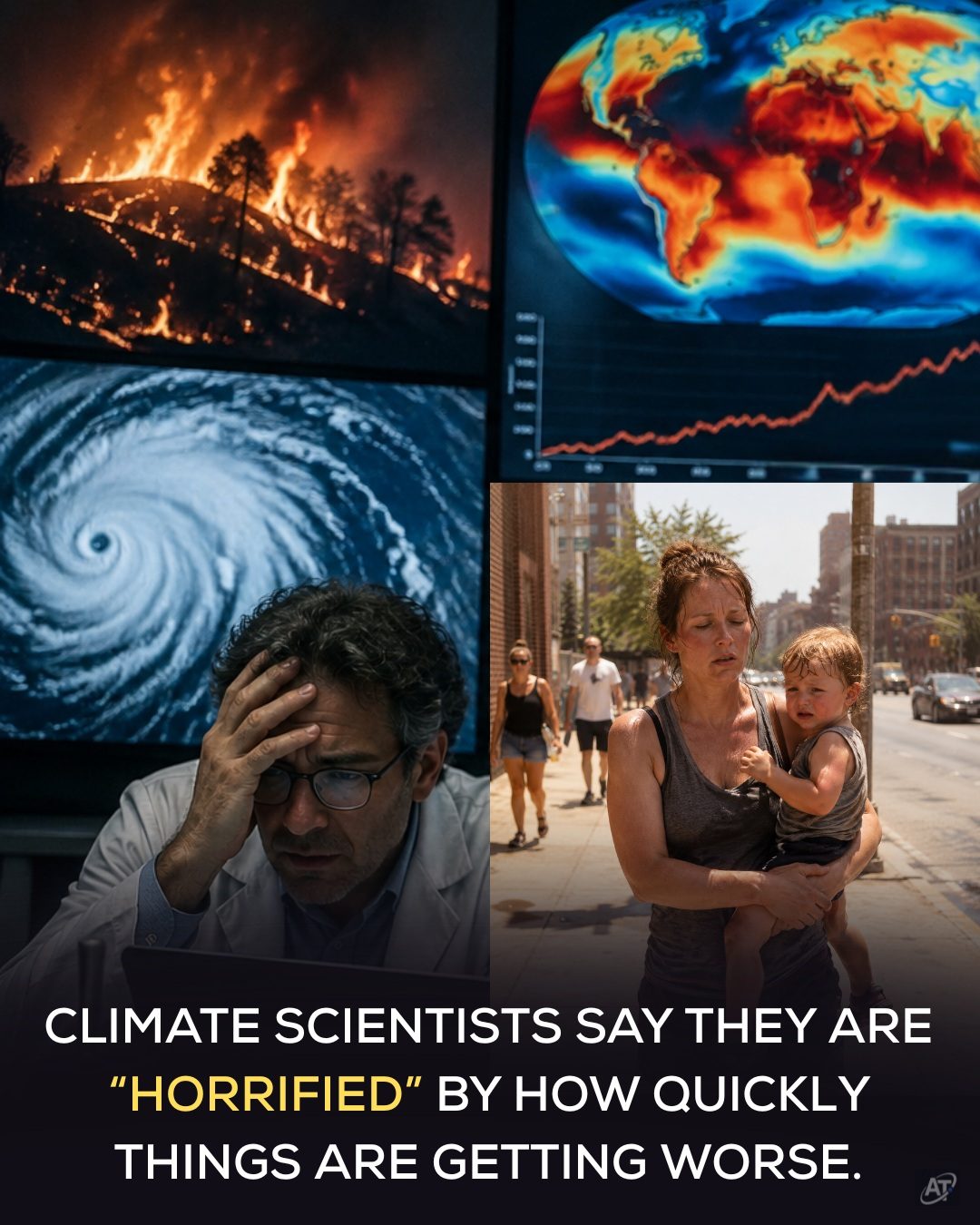
Climate scientists are expressing deep concern about the rapid deterioration of the environment. The visual imagery of wildfires, hurricanes, rising temperatures, and flooded cities underscores the urgency of the situation. These events are not just isolated incidents; they are part of a larger, interconnected climate crisis.
The severity and urgency of the climate crisis are reflected in the rapid pace at which extreme weather events are occurring. Scientists are "horrified" by how quickly things are getting worse. This sense of urgency is not alarmist; it is a call to action based on rigorous scientific observation and analysis.
Practical Tips
While the challenges are daunting, there are practical steps that individuals, communities, and governments can take to mitigate the impacts of climate change:
- Reduce Carbon Footprint: Adopt energy-efficient practices and renewable energy sources to reduce carbon emissions.
- Support Climate Research: Invest in and support research initiatives that aim to improve climate models and predictions.
- Promote Sustainable Practices: Encourage and adopt sustainable practices in agriculture, industry, and daily life.
- Prepare for Extreme Events: Develop and implement strategies to prepare for and respond to extreme weather events, such as improving infrastructure and disaster response plans.
Important Takeaways
Climate change is a complex and urgent issue that requires a multifaceted approach. While current climate models have their limitations, they remain valuable tools for understanding and predicting broad trends. The recent extreme weather events highlight the need for continued research and improved models to better predict and prepare for regional events.
The rapid warming of the oceans and the potential for tipping points in systems like the Amazon rainforest and the AMOC underscore the need for immediate action. The scientific community's concern reflects the severity of the situation and the urgency for global cooperation and action.
Conclusion
Climate change is a reality that demands our attention and action. The recent extreme weather events, while challenging, provide valuable insights into the limitations and strengths of current climate models. By understanding these nuances, we can develop more effective strategies to mitigate the impacts of climate change and prepare for the challenges ahead. The urgency expressed by climate scientists is a call to action that we must heed.
Watch the Reel
Questions readers ask
How are climate change models keeping up with the speed of global warming?
Current climate change models are struggling to keep pace with rapid global warming. The accelerating rate of change is exceeding the predictive capabilities of these models, leading scientists to call for more advanced and adaptive tools to better understand and forecast future climate trends.
What challenges do extreme weather events pose to climate science?
Extreme weather events present significant challenges to climate science by occurring more frequently and with greater intensity than predicted. These events highlight the limitations of current models in accurately forecasting regional climate extremes, necessitating a more nuanced approach to climate science.
Why are climate scientists warning about the limitations of current models?
Climate scientists are issuing warnings about the limitations of current models due to their inability to accurately predict the location, timing, and severity of extreme weather events. These warnings underscore the need for improved models that can better capture the complexities of climate change.
How are average temperature increases affecting climate predictions?
The rising average temperatures are pushing the boundaries of current climate predictions. As global warming accelerates, the discrepancies between predicted and actual climate patterns become more pronounced, indicating that the models may need significant updates to remain relevant.
What can be done to improve climate science adaptation in the face of rapid warming?
To enhance adaptation, climate scientists must focus on developing more dynamic and responsive models. This includes integrating real-time data, improving regional specificity, and fostering interdisciplinary collaboration to better anticipate and address the impacts of climate change.
How do recent weather events impact our understanding of climate models?
Recent extreme weather events have shown that climate models may not sufficiently account for the magnitude and frequency of such occurrences. This has led to a reevaluation of model assumptions and parameters, aiming to create more robust and accurate predictive tools.
Related deep dives
Similar reads based on topic and creator.


Recent articles
Fresh deep dives from the latest Reels we unpacked.




Comments
Be the first to comment.