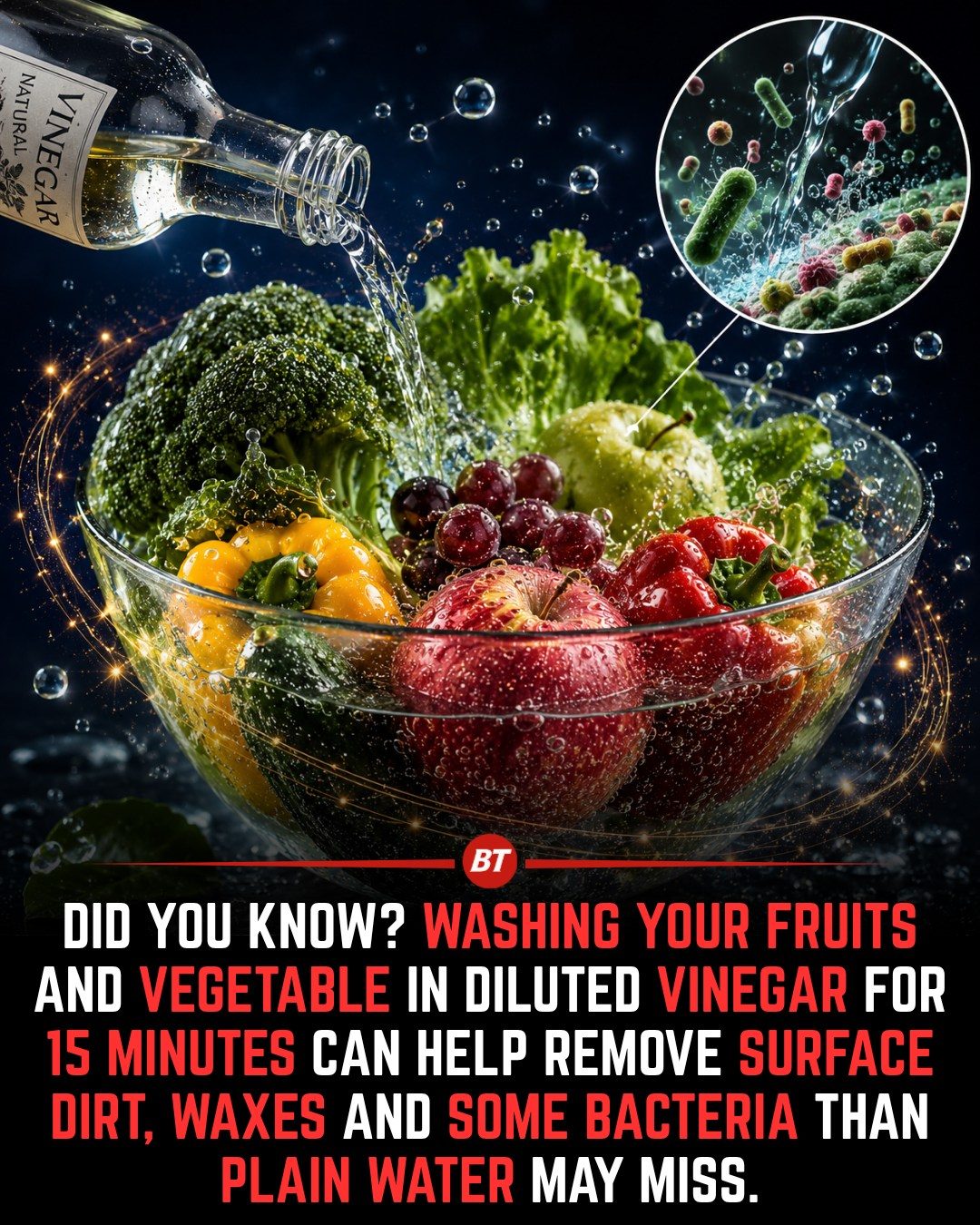
Fruit and Vegetable Cleaning: The Benefits of a Vinegar Soak
Cleaning fruits and vegetables is a crucial step in food preparation. Produce can pick up various contaminants during its journey from farms to grocery stores. While rinsing under running water is a standard practice, soaking in a diluted vinegar solution offers an additional layer of cleaning. This method helps remove surface dirt, wax residues, and certain bacteria, ensuring that your produce is as clean as possible before consumption.
Why This Matters
Fresh produce travels a long journey before reaching your grocery store. Along the way, it accumulates dust, soil, handling residues, and naturally occurring microbes. While rinsing under running water removes much of this contamination, it may not be enough to eliminate all surface dirt and bacteria. This is where a vinegar soak comes into play. Acetic acid, the active compound in vinegar, has natural antimicrobial properties that can help loosen wax coatings and reduce bacteria on the surface of fruits and vegetables.
Main Discussion
The Science Behind Vinegar Soaks
Vinegar, particularly white vinegar, is a commonly used household item known for its cleaning properties. When it comes to produce, vinegar can help remove surface dirt and some types of bacteria more effectively than plain water. The acetic acid in vinegar acts as a natural antimicrobial agent, helping to kill bacteria and loosen wax coatings, which are often applied to fruits and vegetables to enhance shelf life and appearance.
How Vinegar Soaks Work
Soaking fruits and vegetables in a diluted vinegar solution involves mixing one part white vinegar with three parts water. This mixture should be used to soak the produce for about 10–15 minutes. After the soak, thoroughly rinse the produce under clean running water to remove any remaining vinegar. This process helps to ensure that the produce is clean and free from surface contaminants before it is consumed or stored.
Additional Benefits of Vinegar Soaks
Research published in the Journal of Food Protection and the International Journal of Food Microbiology has shown that diluted vinegar solutions can significantly reduce the number of certain bacteria found on the surface of fruits and vegetables. This makes vinegar soaks an effective method for reducing surface contamination, particularly for produce that is eaten raw.
Practical Tips
Preparing the Vinegar Solution
To prepare a vinegar soak, mix one part white vinegar with three parts water in a large bowl or container. Ensure that the container is clean to avoid cross-contamination. Submerge the fruits and vegetables in the solution and let them soak for 10–15 minutes. After soaking, rinse the produce thoroughly under clean running water to remove any remaining vinegar residue.
Choosing the Right Produce
This method is particularly beneficial for produce that is eaten raw, such as lettuce, apples, and berries. However, it can be used for any type of fruit or vegetable to ensure maximum cleanliness. Keep in mind that vinegar soaks are an additional step and should not replace proper food handling practices, such as washing hands and cooking produce to the recommended internal temperatures when necessary.
Storing Cleaned Produce
After soaking and rinsing, it's important to store the produce correctly to maintain its freshness and cleanliness. Keep fruits and vegetables in the refrigerator, wrapped in damp paper towels or stored in airtight containers, to prolong their shelf life and prevent further contamination.
Important Takeaways
While a vinegar soak can help remove surface dirt, waxes, and certain bacteria, it does not remove all pesticides, viruses, or bacteria that may have penetrated beneath the skin. Therefore, it should be used as an additional cleaning step rather than a replacement for proper food handling practices. For most people, thoroughly rinsing produce under clean running water is still the most important step. Adding an occasional vinegar soak is simply an extra measure that may further reduce surface contamination.
Conclusion
Incorporating a vinegar soak into your produce cleaning routine can be a simple and effective way to ensure that your fruits and vegetables are as clean as possible. By using a diluted vinegar solution, you can help remove surface dirt, waxes, and certain bacteria, making your produce safer to consume. This method is particularly useful for produce that is eaten raw and should be used in conjunction with proper food handling practices for optimal results.
Watch the Reel
Questions readers ask
What is the recommended ratio for a vinegar soak to clean produce?
A common and effective ratio for a vinegar soak is one part white vinegar to four parts water. This dilution is strong enough to kill bacteria and remove residues, but not so strong that it will affect the taste of your produce.
How long should I soak my produce in the vinegar solution?
Soak your fruits and vegetables for about 10 to 15 minutes. This duration allows the vinegar solution to effectively break down and remove dirt, wax, and bacteria from the surface.
Can I use any type of vinegar for this cleaning method?
White vinegar is the best choice for cleaning produce. It is clear, colorless, and has a neutral flavor that will not affect the taste of your fruits and vegetables. Other types of vinegar, such as apple cider or balsamic, may leave a residue or alter the taste.
Is it necessary to rinse produce after a vinegar soak?
Yes, it is recommended to rinse your produce thoroughly with cool water after the vinegar soak. This step helps to remove any remaining vinegar solution and residue, leaving you with clean, fresh produce ready for consumption.
Can a vinegar soak remove pesticides from produce?
While a vinegar soak can help remove some surface contaminants, it may not be as effective in removing certain pesticides. To minimize pesticide exposure, consider choosing organic produce, especially for fruits and vegetables with edible skins.
Related deep dives
Similar reads based on topic and creator.




Recent articles
Fresh deep dives from the latest Reels we unpacked.




Comments
Be the first to comment.