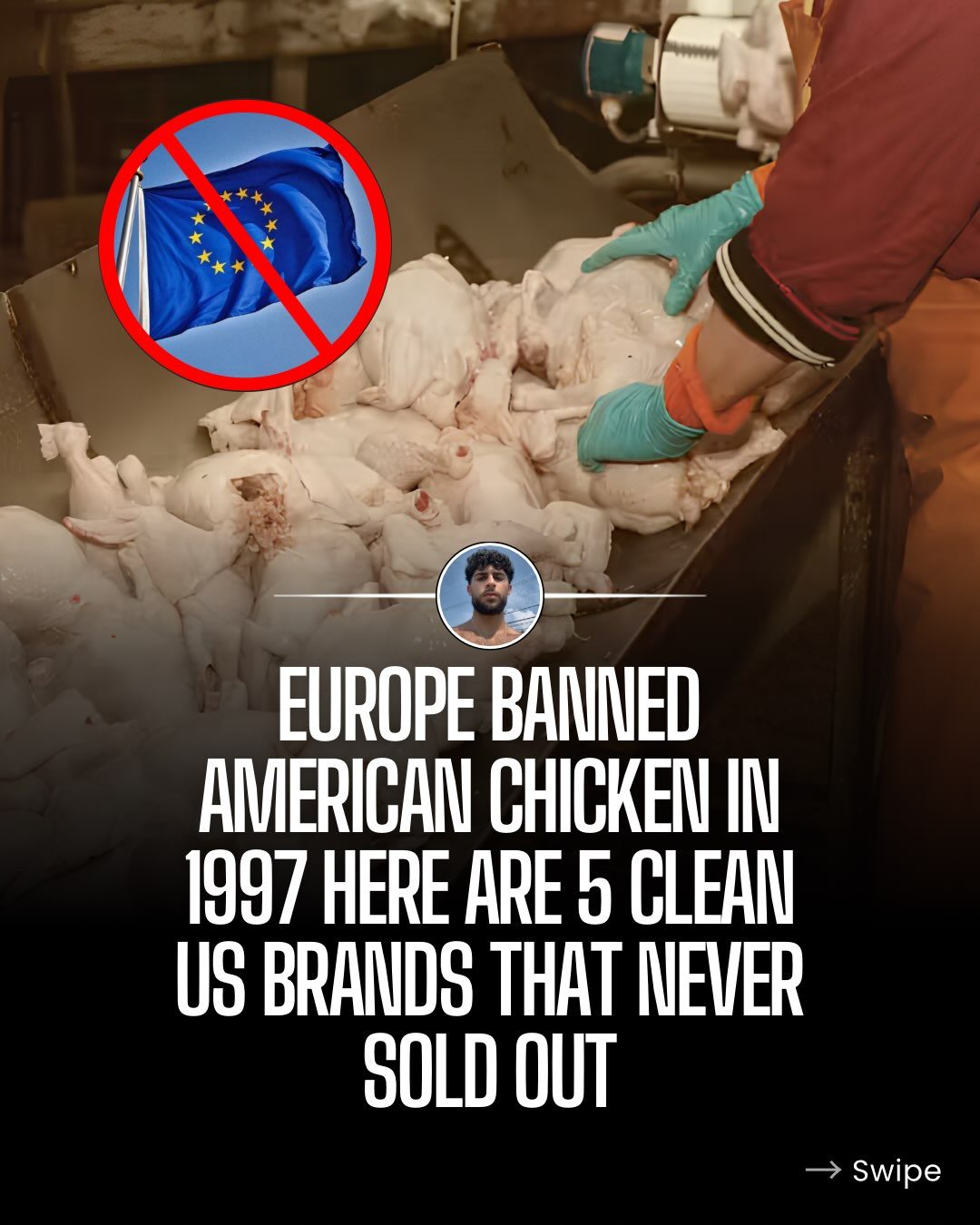
The Ban on American Chicken in Europe
American chicken has been prohibited in Europe since 1997, but the reason isn't what many might assume. It's not due to the quality of the chicken itself, but rather the methods used to process it. Many U.S. producers rely on chlorine washes post-slaughter to control bacteria like Salmonella and E. coli. However, the European Union (EU) disagrees with this approach, arguing that it addresses contamination after the fact rather than preventing it through stricter hygiene and animal welfare standards earlier in the production process. As a result, the EU has banned American chicken. However, this ban doesn't apply to all American chicken brands. Some producers employ alternative methods, such as air-chilling and avoiding chlorine washes, while also adhering to higher welfare standards. These brands demonstrate a cleaner, more conscientious approach to poultry production.
Why This Matters
Understanding the ban on American chicken in Europe and the alternatives offered by some U.S. brands is crucial for several reasons. First, it highlights the importance of processing methods in food safety and animal welfare. Second, it demonstrates that there are better ways to produce poultry, which can influence consumer choices and industry standards.
Air-Chilling vs. Chlorine Washing
Air-chilling is a method used by some U.S. chicken brands that involves using cold air to cool the chicken after slaughter, eliminating the need for water immersion. This method has several advantages over chlorine washing.
Advantages of Air-Chilling
- Naturally Preserved Flavor: Air-chilling helps maintain the chicken's natural flavor by not introducing any water or additives.
- Improved Texture: The process results in a drier, firmer texture, which many chefs and consumers prefer.
- Enhanced Shelf Life: Air-chilled chicken has a longer shelf life due to lower moisture content, which reduces the risk of bacterial growth.
- Better for the Environment: Air-chilling uses less water than traditional water immersion methods, making it more environmentally friendly.
Disadvantages of Air-Chilling
- Higher Costs: Air-chilling can be more expensive due to the need for specialized equipment and longer processing times.
- Slower Processing: The process takes longer, which can impact production efficiency.
The Chlorine Issue
Many U.S. producers use chlorine washes to reduce bacteria, but this method has its drawbacks. The EU has strict regulations against using chlorine washes, as it considers this a post-production measure that doesn't address the root cause of contamination. Instead, the EU emphasizes preventing contamination through strict hygiene and animal welfare practices.
Industry Response
Some U.S. brands have adapted to these regulations by adopting air-chilling and other methods. These brands prioritize animal welfare and stricter hygiene standards, making their products more aligned with European regulations. Examples of such brands include Bell & Evans, LaBelle Patrinoine, and Farmer Focus.
Air-Chilled Chicken Brands to Know
Bell & Evans
Bell & Evans is a family-owned brand that has been in business for over five generations. Their chicken is 100% air-chilled and raised without antibiotics. The brand prides itself on its organic and free-range qualities, ensuring that the chickens are raised in a stress-free environment.
Bell & Evans' commitment to air-chilling means that their chicken is:
- 100% Air-Chilled – No retained water, preserving the natural flavor and texture.
- Raised Without Antibiotics – Ensuring a healthier product for consumers.
- Family-Owned – Maintaining a consistent quality and ethical standards.
- Organic and Free-Range – Providing a higher standard of animal welfare.
LaBelle Patrinoine
LaBelle Patrinoine specializes in slow-grown, heritage breeds raised on regenerative welfare family farms. This means the chickens are not only air-chilled but also raised in an environment that prioritizes their welfare. LaBelle Patrinoine chickens are:
- Raised on Regenerative Welfare Farms – Ensuring high animal welfare standards.
- Slow Grown – Allowed to mature naturally, resulting in better meat quality.
- Heritage Breed – Preserving traditional chicken breeds known for their superior taste.
- Air-Chilled – Maintaining the natural flavor and texture.
Farmer Focus
Farmer Focus is another brand that stands out for its commitment to organic and humane practices. Their chickens are:
- USDA Organic – Meeting strict organic standards.
- Humanely Raised – Ensuring the chickens are treated with care and respect.
- Owned by the Farmers – Directly benefiting the farmers who raise the chickens.
- Certified Humane – Adhering to high animal welfare standards.
Practical Tips for Consumers
When shopping for chicken, consider the following tips to make more informed choices:
- Look for Air-Chilled Labels: Opt for air-chilled chicken to avoid added water and chemicals.
- Check for Antibiotic-Free Claims: Many brands now offer antibiotic-free options, which are generally healthier.
- Support Family-Owned Brands: Family-owned businesses often have a stronger commitment to quality and ethical practices.
- Choose Organic and Free-Range: These labels indicate higher animal welfare standards and often better-quality meat.
- Verify Certifications: Look for certifications such as USDA Organic and Certified Humane to ensure higher standards.
Important Takeaways
- Processing Matters: The method used to process chicken significantly impacts its quality and safety.
- Air-Chilling is Superior: For natural flavor, texture, and reduced bacterial risk, air-chilling is a better method.
- Animal Welfare is Key: Brands that prioritize animal welfare often produce higher-quality, healthier chicken.
- Certifications Matter: Look for certifications like USDA Organic and Certified Humane to ensure better standards.
- Support Ethical Brands: Brands like Bell & Evans, LaBelle Patrinoine, and Farmer Focus offer cleaner, more ethical options.
Conclusion
While the ban on American chicken in Europe highlights the differences in food safety and animal welfare standards, it also illuminates a path forward for the industry. By adopting air-chilling and other ethical practices, U.S. brands can produce higher-quality chicken that meets the demands of both domestic and international markets. Consumers have the power to drive this change by supporting brands that prioritize these standards.
Watch the Reel
Questions readers ask
Why has the European Union banned most American chicken?
The European Union has banned most American chicken due to the use of chlorine washes post-slaughter. The EU prefers prevention of contamination through stringent hygiene and animal welfare standards, not post-process treatments.
What makes the five American chicken brands mentioned good enough for Europe?
These brands meet European standards by prioritizing animal welfare and using alternative processing methods. These methods include air-chilling and avoiding chlorine washes, which align with the EU's preferences for safer, cleaner production processes.
What is air-chilled chicken and why is it important?
Air-chilled chicken is a processing method where chicken is cooled using cool air instead of being submerged in cold water or ice. This method is important because it helps to maintain the chicken's natural flavor and reduces the risk of cross-contamination.
Are there American chicken brands that use antibiotics in their production?
While some American chicken brands do use antibiotics, the brands mentioned in the article prioritize animal welfare and often avoid the use of antibiotics. For example, Bell & Evans, Mary's, and Perrine are known for their antibiotic-free practices.
Why is animal welfare important in chicken production?
Animal welfare in chicken production ensures that the birds are treated humanely, which can lead to better-quality meat and a safer product. It also aligns with the European Union's standards and preferences, which prioritize animal welfare and stricter hygiene.
Related deep dives
Similar reads based on topic and creator.

Recent articles
Fresh deep dives from the latest Reels we unpacked.




Comments
Be the first to comment.