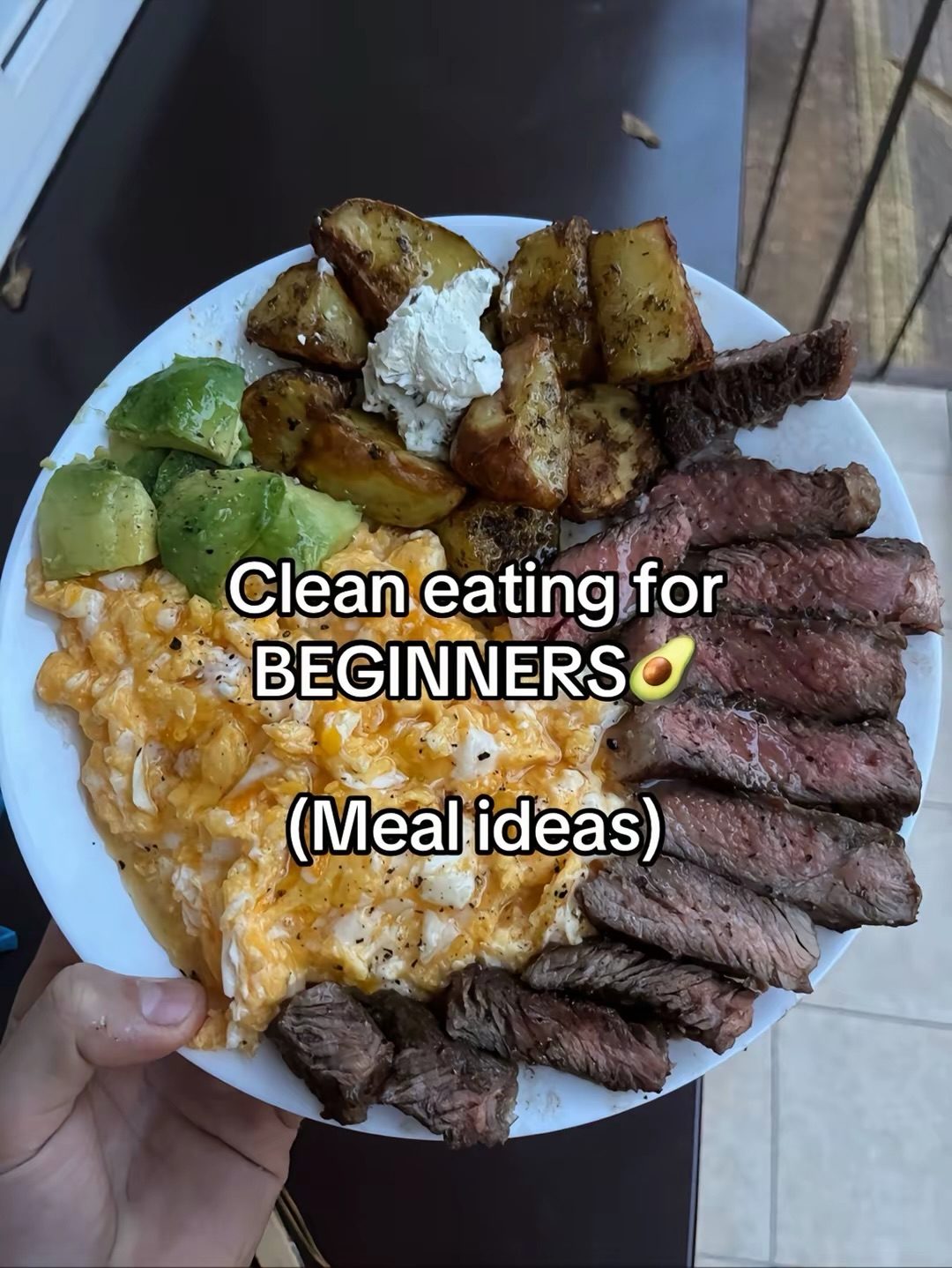
Clean Eating for Beginners
Clean eating is a lifestyle focused on consuming whole, unprocessed foods in their natural state. It emphasizes the importance of balanced nutrition and consistency over restrictive diets. Clean eating supports overall health and wellness, providing the necessary energy and nutrients to fuel daily activities, workouts, and life in general.
Why This Matters
Clean eating is a sustainable approach to healthy living. Unlike trendy diets that often involve restrictive eating patterns, clean eating is about making consistent, balanced food choices. Making small, incremental changes to your diet can lead to significant health improvements and better energy levels. This approach focuses on whole, nutrient-dense foods, reducing the intake of processed foods and sugars. It also helps maintain a healthy weight, improve digestion, and boost energy levels, making it easier to stick to long-term.
Main Discussion
Balanced Meal Ideals for Beginners
When starting with clean eating, simplicity is key. Begin with balanced plates that include proteins, carbohydrates, and healthy fats. These components work together to support energy levels, muscle recovery, and overall well-being. For example, a plate containing steak, potatoes, avocado, and eggs offers a variety of nutrients and flavors that can help you stay satisfied and energized.
Protein
Protein is essential for building and repairing muscles. Clean eating emphasizes consuming proteins from natural sources like meat, poultry, fish, eggs, and plant-based options such as legumes and tofu. Including a source of protein in each meal helps keep you full and supports muscle recovery post-workout.
Carbohydrates
Carbohydrates are the body's primary source of energy. Clean eating focuses on carbohydrates from whole foods like vegetables, fruits, and whole grains. These complex carbohydrates provide sustained energy and are rich in fiber, which supports digestion and helps maintain stable blood sugar levels.
Healthy Fats
Healthy fats are vital for brain function, hormone balance, and overall health. In clean eating, fats come from sources like avocados, nuts, seeds, and olive oil. These fats help keep you satiated and support the absorption of fat-soluble vitamins.
Sample Meal Ideas
- Steak, Potatoes, Avocado, and Eggs: This meal is a perfect example of a balanced plate. Steak provides protein, potatoes are a source of complex carbohydrates, avocado offers healthy fats, and eggs add an additional protein boost.
- Avocado Toast with Eggs and Strawberries: This breakfast option combines healthy fats from the avocado, protein from the eggs, and natural sugars from the strawberries. It’s a nutritious and satisfying way to start your day.
- Salmon, Broccoli, Rice, and Avocado: This meal features salmon, which is rich in omega-3 fatty acids, broccoli for vitamins and fiber, rice for carbohydrates, and avocado for added healthy fats.
Nutrition Tracking with an App
A nutrition tracking app is a valuable tool for anyone starting a clean eating journey. Workit (formerly known as workit.app) is an app that provides data-driven nutrition insights and helps you lose weight with 100% certainty. It tracks calories and macros, setting daily goals and showing remaining calories and protein for the day. With features like recalculating calorie targets and monitoring your Total Daily Energy Expenditure (TDEE), the app helps you maintain your current weight or achieve a deficit goal. The app also offers a unique feature that converts workouts into real money, adding an extra layer of motivation to stay active.
Practical Tips
To start your clean eating journey, follow these practical tips:
Start Gradually
Ease into clean eating by making small changes to your diet. Instead of overhauling your eating habits overnight, gradually replace processed foods with whole, nutrient-dense options. This approach makes the transition more sustainable and less overwhelming.
Plan Your Meals
Meal planning is essential for maintaining a clean eating lifestyle. Plan your meals for the week, ensuring each meal includes a balance of proteins, carbohydrates, and healthy fats. This practice helps you stay on track and avoid impulse eating.
Stay Hydrated
Drinking plenty of water is crucial for overall health and digestion. Aim for at least eight glasses of water per day, and adjust your intake based on your activity level and climate.
Cook at Home
Preparing your meals at home allows you to control the ingredients and cooking methods. Cooking at home ensures that your food is free from added sugars, unhealthy fats, and preservatives, making it easier to stick to your clean eating goals.
Experiment with New Recipes
Explore new recipes and ingredients to keep your meals interesting. Variety is key to maintaining a balanced and enjoyable diet. Try new fruits, vegetables, and proteins to discover what you enjoy and what works best for your body.
Important Takeaways
Consistency is Key
Consistency is the cornerstone of successful clean eating. Small, consistent changes to your diet can lead to significant long-term benefits. Focus on making balanced food choices every day, rather than trying to achieve perfection.
Balance is Essential
Balanced nutrition is crucial for overall health. Ensure each meal includes a source of protein, carbohydrates, and healthy fats. This balance supports energy levels, muscle recovery, and overall well-being.
You Don't Have to Be Perfect
There's no need to strive for a perfect diet. Instead, focus on progress and making better choices over time. Enjoying your meals and maintaining a balanced lifestyle is more important than adhering to strict dietary rules.
Conclusion
Clean eating is about making sustainable, balanced food choices that support your energy, workouts, and lifestyle. By focusing on whole, unprocessed foods and using a nutrition tracking app, you can achieve your health goals. Remember, consistency is key, and small changes can lead to significant improvements in your overall well-being. Start where you are, eat better one meal at a time, and let tools like Workit help you stay motivated and on track.
Watch the Reel
Recent articles
Fresh deep dives from the latest Reels we unpacked.




Comments
Be the first to comment.