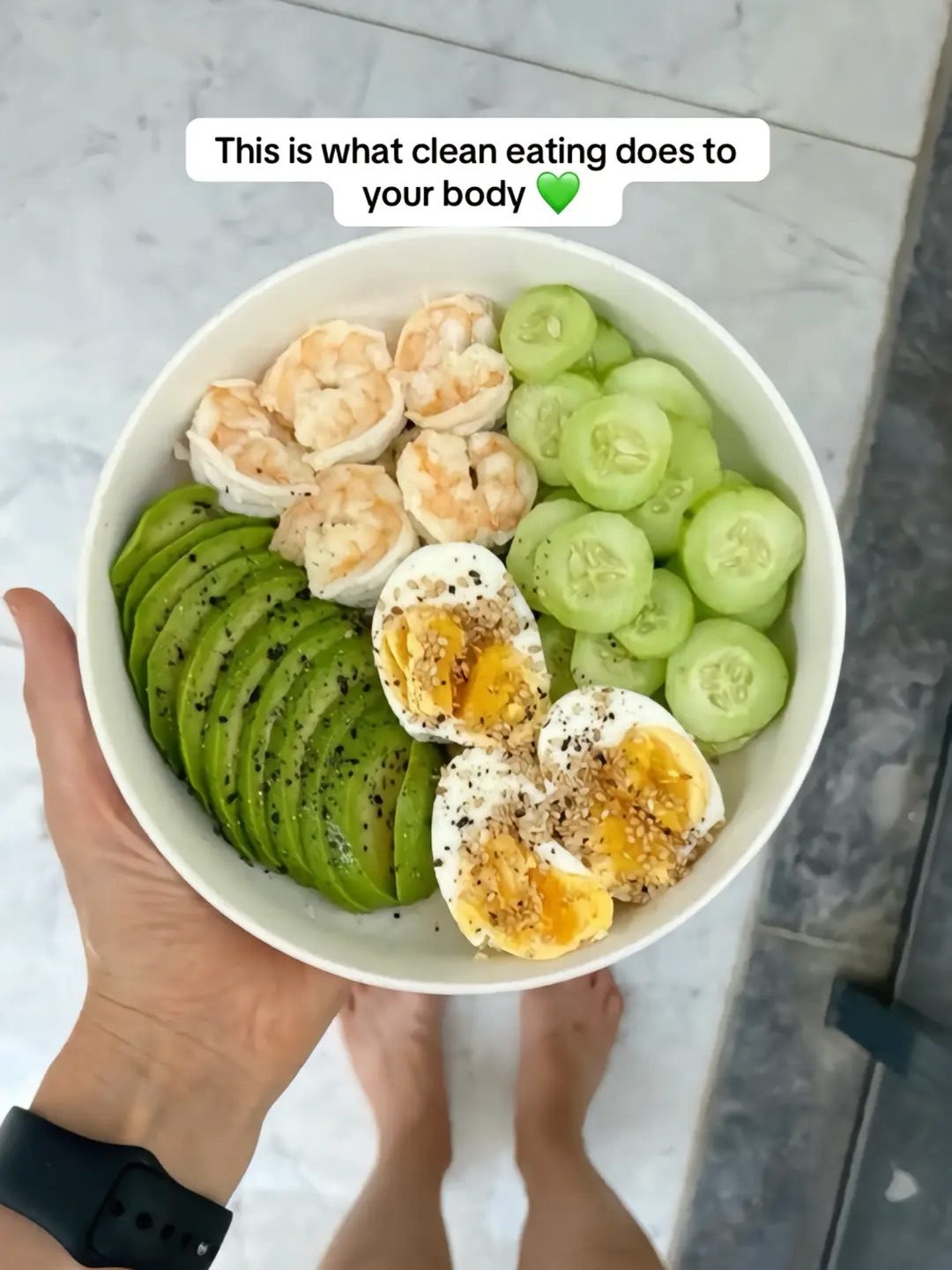
Clean Eating: Transforming Your Body with Real Food
Clean eating is more than just a dietary trend; it's a lifestyle that focuses on consuming whole, unprocessed foods. This approach can lead to significant improvements in your overall health and well-being. Unlike restrictive diets, clean eating emphasizes real, nutrient-dense foods that fuel your body rather than starving it.
Why Clean Eating Matters
Clean eating can help transform your body in several ways. By focusing on whole foods, you can experience more stable energy levels throughout the day. This is because whole foods provide a steady release of energy, unlike processed foods that can cause spikes and crashes in blood sugar levels. Additionally, clean eating can improve digestion and reduce bloating. Whole foods are easier to digest and contain fiber, which supports a healthy gut.
Clearer skin, fewer mood swings, and stronger workouts with faster recovery are other benefits of clean eating. Nutrient-dense foods provide the building blocks your body needs to function at its best. When you fuel your body with real food, you're less likely to experience inflammation, which can lead to clearer skin. The consistent energy and nutrients from whole foods also support better mood regulation and enhanced physical performance.
Main Discussion
The Benefits of Clean Eating
Clean eating offers a range of benefits that go beyond just weight loss. By focusing on real, nutrient-dense foods, you can improve your energy levels, digestion, and overall health. Unlike restrictive diets, clean eating emphasizes whole foods that provide a balanced mix of nutrients. This means you're less likely to experience cravings or feelings of deprivation, as your body is getting the nutrients it needs to thrive.
What to Eat
Clean eating meals typically focus on protein, healthy fats, and vegetables. These nutrient-dense foods provide the building blocks your body needs to function at its best. Examples of clean eating meals include shrimp with cucumber, avocado, and eggs; steak with eggs and avocado; and salmon with sprouts and rice.
Clean eating doesn't require any magic foods or a "perfect" diet. It's about making consistent, sustainable choices that support your overall health and well-being. Remember, small habits lead to daily wins and real results.
Tracking Your Progress
While focusing on whole foods, tracking your progress can help you stay motivated and on track with your goals. Many people find that using a nutrition tracking app can be incredibly helpful in this regard. These apps can provide data-driven nutrition insights and weight loss guidance.
One popular app for clean eating is WORKIT. It helps users track their progress, stay consistent with their workouts, and actually enjoy the process of maintaining a healthy lifestyle. By providing a daily macro breakdown and setting calorie and macro targets, it can help you stay on track and see consistent results.
The app also offers a feature that converts your workouts into real money. This can be a great way to stay motivated and committed to your fitness journey.
Incorporating Movement
When you pair clean eating with regular movement that fits your life, you'll see real change. Combining a balanced diet with consistent exercise can help you achieve your health and fitness goals faster. Whether you're walking, running, or hitting the gym, finding a form of movement you enjoy can make all the difference.
Practical Tips
Start Small
If you're new to clean eating, it's best to start small. Begin by incorporating more whole foods into your diet and gradually reducing processed foods. This approach allows your body to adjust to the changes and makes the transition to clean eating more sustainable.
Plan Ahead
Meal planning and prepping can save you time and help you stay on track with your clean eating goals. Set aside time each week to plan your meals and snacks, and prep ingredients in advance.
Stay Hydrated
Drinking plenty of water is essential for overall health and can also support better digestion. Aim for at least 8 glasses of water a day, and adjust based on your activity level and individual needs.
Listen to Your Body
Pay attention to how your body responds to different foods. Everyone's body is unique, and what works for one person may not work for another. If you experience any negative symptoms after eating certain foods, try eliminating them from your diet and see how you feel.
Be Consistent
Consistency is key when it comes to clean eating. Making small, sustainable changes to your diet and sticking with them over time can lead to significant improvements in your overall health and well-being.
Important Takeaways
Clean eating is a sustainable and enjoyable approach to improving your overall health and well-being. By focusing on whole, unprocessed foods and incorporating regular movement into your life, you can experience a range of benefits, including more stable energy, better digestion, clearer skin, fewer mood swings, and stronger workouts with faster recovery.
Tracking your progress with a nutrition app like WORKIT can provide valuable insights and help you stay motivated and on track with your goals. Remember, clean eating is about making consistent, sustainable choices that support your overall health and well-being. By starting small, planning ahead, staying hydrated, listening to your body, and being consistent, you can achieve real, lasting results.
Conclusion
Clean eating is a powerful way to transform your body and improve your overall health and well-being. Clean eating offers a range of benefits, from more stable energy levels to improved digestion and clearer skin. By focusing on whole, nutrient-dense foods and incorporating regular movement into your life, you can experience real change and achieve your health and fitness goals.
Watch the Reel
Questions readers ask
What exactly is clean eating and how does it differ from other diets?
Clean eating is a lifestyle that revolves around consuming whole, unprocessed foods such as fruits, vegetables, lean proteins, and whole grains. Unlike other diets that may restrict certain food groups or focus on calorie counting, clean eating emphasizes the quality of the food you consume. It's about nourishing your body with real, nutrient-dense foods that support your overall health and well-being.
How does clean eating boost energy levels throughout the day?
Clean eating helps maintain stable energy levels by providing your body with a steady supply of nutrients. Whole foods, such as whole grains, fruits, and vegetables, release energy gradually, preventing the spikes and crashes often associated with processed foods. Including energizing foods like eggs can also help sustain your energy levels throughout the day.
Which foods are best for improving digestion naturally?
Foods rich in fiber, such as fruits, vegetables, and whole grains, are excellent for promoting healthy digestion. Incorporating foods like avocado, which is high in healthy fats and fiber, can also support digestive health. Additionally, staying hydrated and including probiotic-rich foods, like yogurt and kefir, can help maintain a healthy gut.
How can clean eating help reduce bloating?
Clean eating can reduce bloating by focusing on whole, unprocessed foods that are generally easier to digest. Avoiding processed foods, which often contain additives and artificial ingredients that can cause discomfort, is key. Additionally, foods like ginger, peppermint, and leafy greens can help soothe the digestive system and reduce bloating.
What are some practical steps to start a daily clean eating routine?
To start a daily clean eating routine, begin by planning your meals around whole foods and gradually reduce processed foods. Consider using a nutrition app to track your daily intake and ensure you're meeting your nutritional needs. Incorporate a variety of colorful fruits and vegetables, lean proteins, and healthy fats into your meals. Start your day with a nutrient-dense breakfast, such as overnight oats with chia seeds and berries.
Is tracking macros important for clean eating, and if so, why?
Tracking macros—macronutrients like carbohydrates, proteins, and fats—can be beneficial for clean eating as it helps ensure you're getting a balanced intake of nutrients. This practice can help you understand your body's needs better and make informed decisions about your meals. While it's not strictly necessary, macro tracking can provide insights into your nutritional intake and help you achieve your health goals more effectively.
Recent articles
Fresh deep dives from the latest Reels we unpacked.




Comments
Be the first to comment.