Clean Eating: The Key to Balanced, Sustained Nutrition
Clean eating is a nutritional approach focused on consuming whole, unprocessed foods that are natural, healthy, and free from artificial additives. This approach emphasizes the consumption of nutrient-dense foods, such as fruits, vegetables, lean proteins, and whole grains, while minimizing the intake of processed foods, sugars, and unhealthy fats. Clean eating is not about extremes or strict dieting but about finding a sustainable balance that supports your lifestyle and fitness goals.
Why Clean Eating Matters
Clean eating is more than just a trend; it's a lifestyle that offers numerous benefits. By focusing on whole, natural foods, you can improve your overall health, boost your energy levels, and support your fitness goals. Clean eating can help you maintain a healthy weight, reduce the risk of chronic diseases, and enhance your overall well-being.
The Benefits of Clean Eating
Clean eating offers a wealth of benefits that go beyond just weight loss. It can help improve digestion, boost immunity, and enhance mental clarity. By consuming nutrient-dense foods, you provide your body with the essential vitamins and minerals it needs to function optimally. Clean eating also promotes better hydration, as many clean foods, such as fruits and vegetables, have high water content.
The Impact on Energy and Fitness
When you fuel your body with clean, nutrient-rich foods, you experience sustained energy levels throughout the day. This is particularly important for those who engage in regular physical activity. Clean eating provides the necessary nutrients to support muscle recovery, build lean mass, and improve overall performance. By eating clean, you can optimize your workouts, achieve your fitness goals, and maintain a balanced, active lifestyle.
Clean Eating Recipes for Sustained Nutrition
Meal Prep Bowls
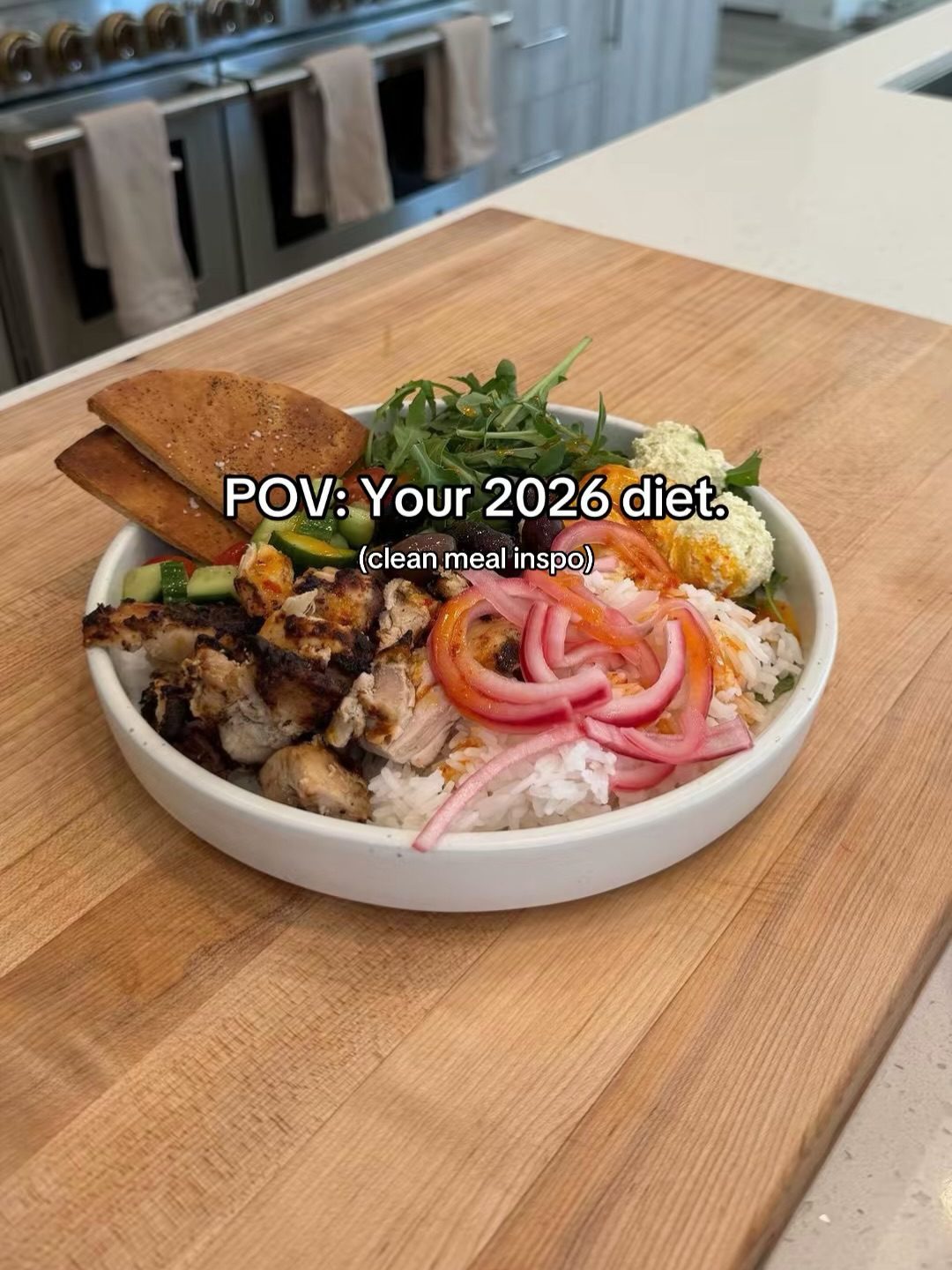
Meal prep bowls are a staple in clean eating. They are designed to provide a balanced meal with a variety of nutrients. A typical meal prep bowl includes a lean protein source, such as chicken or tofu, a mix of colorful vegetables, and a healthy carbohydrate, like quinoa or brown rice. These bowls are not only delicious but also convenient for meal prepping, making it easier to stick to a clean eating plan.
Meal prep bowls are often presented on a wooden surface, suggesting a healthy and clean eating lifestyle. The arrangement of ingredients like chicken, vegetables, and herbs on the wooden surface makes for a visually appealing and appetizing meal.
Clean Burger Recipes
Clean burgers are a healthier take on a classic favorite. They are made with lean ground beef or turkey, whole-grain buns, and a variety of nutritious toppings. Ingredients like grilled onions, avocado, and sweet potatoes add flavor and nutrients, making these burgers both satisfying and healthy.
To achieve a better health profile, try a 90/10 lean ground beef. This type of ground beef is a leaner option that would still deliver the juiciness and flavor of a burger while also being much healthier too. And while you could go for a plant-based patty, that might not be as satisfying. If you are trying to go for a leaner burger, 90/10 lean ground beef is a great alternative.
Shrimp Dishes
Shrimp dishes offer a flavorful and nutritious option for clean eating. They are often prepared with a variety of spices and herbs, such as chili thai sauce, lime, and cilantro, which add depth and complexity to the dish. Shrimp is a lean protein source that is low in calories and high in essential nutrients, making it an excellent choice for those looking to maintain a healthy diet.
One of the popular shrimp dishes is the Sweet Chili Shrimps. This dish features vibrant and flavorful ingredients, including a mix of sweet and spicy flavors. The addition of mango corn salsa and cilantro rice complements the shrimp perfectly, creating a well-rounded and satisfying meal.
Practical Tips for Clean Eating
Choose Whole, Unprocessed Foods
Focus on consuming whole, unprocessed foods that are rich in nutrients. Opt for fresh fruits and vegetables, lean proteins, whole grains, and healthy fats. Avoid processed foods, sugars, and artificial additives as much as possible.
Plan and Prepare Your Meals
Meal planning and prepping can help you stay on track with clean eating. Set aside time each week to plan your meals and prepare healthy options in advance. This will save you time and effort during the week and ensure that you have nutritious meals readily available.
Stay Hydrated
Drink plenty of water throughout the day to support your body's natural detoxification processes and maintain optimal hydration. Aim for at least eight glasses of water daily, and consider adding herbal teas or infused water for variety.
Listen to Your Body
Pay attention to your body's hunger and fullness cues. Eat when you are hungry and stop when you are full. This mindful approach to eating can help you maintain a healthy relationship with food and prevent overeating.
Incorporate Variety
Include a variety of nutrient-dense foods in your diet to ensure that you are getting a wide range of vitamins and minerals. Try new recipes and experiment with different ingredients to keep your meals interesting and flavorful.
Track Your Calorie and Macronutrient Intake
Tracking your calorie and macronutrient intake can help you stay on track with your nutritional goals and ensure that you are consuming the right balance of protein, carbohydrates, and fats. Use a smartphone app for accurate tracking and monitoring.
Important Takeaways
Clean eating is about making sustainable, long-term changes to your diet that support your overall health and well-being. It's not about following strict rules or eliminating entire food groups but about finding a balance that works for you.
Key takeaways include:
- Focus on whole, unprocessed foods
- Incorporate a variety of nutrient-dense foods
- Plan and prepare your meals in advance
- Stay hydrated
- Listen to your body's hunger and fullness cues
- Track your calorie and macronutrient intake
Conclusion
Clean eating is a sustainable and enjoyable approach to nutrition that supports your overall health and fitness goals. By focusing on whole, unprocessed foods and incorporating variety into your diet, you can enjoy delicious, satisfying meals that nourish your body and mind. With the right planning and mindset, clean eating can become a lifelong habit that promotes wellness and vitality.
Watch the Reel
Questions readers ask
What are some easy meal ideas to start my clean eating journey in 2026?
Clean eating in 2026 starts with simple, unprocessed foods. Begin with a burrito bowl with brown rice, black beans, grilled chicken, and fresh veggies. Or try a healthy burger using a whole grain bun, lean turkey patty, and a side salad.
How can I incorporate more whole grains into my clean eating meals?
Whole grains can be easily added to your meals by using whole grain bread for sandwiches, brown rice for burrito bowls, and whole grain pasta for your favorite pasta dishes. Quinoa, oats and barley are also excellent choices for a variety of meals.
What are some convenient clean eating snacks for on-the-go?
Plan ahead with easy, nutritious snacks like apple slices with almond butter, Greek yogurt with mixed berries, or a handful of mixed nuts and seeds. These snacks provide sustained energy and keep you away from processed foods.
How can meal prepping help with clean eating?
Meal prepping ensures you have clean, whole food meals ready to go, reducing the temptation to grab unhealthy options. Prepare meals like grilled chicken with roasted vegetables, quinoa salad with lean proteins, and whole grain wraps with hummus and veggies.
What kind of lean proteins should I include in my clean eating diet?
Incorporate lean proteins like grilled chicken, turkey, fish, tofu, or legumes into your meals. These provide essential nutrients without the excess saturated fats found in processed meats.
How can I ensure my clean eating meals are balanced and sustainable?
Balance your plate with a mix of whole grains, lean proteins, and plenty of fruits and vegetables. This ensures you get a wide range of nutrients while keeping your meals interesting and satisfying.
What are some tips for eating clean while dining out?
When dining out, opt for dishes that feature whole foods like grilled meats, steamed vegetables, and whole grains. Ask for sauces and dressings on the side to control the amount of added fats and sugars. Don’t hesitate to make special requests to suit your dietary needs.
Recent articles
Fresh deep dives from the latest Reels we unpacked.




Comments
Be the first to comment.