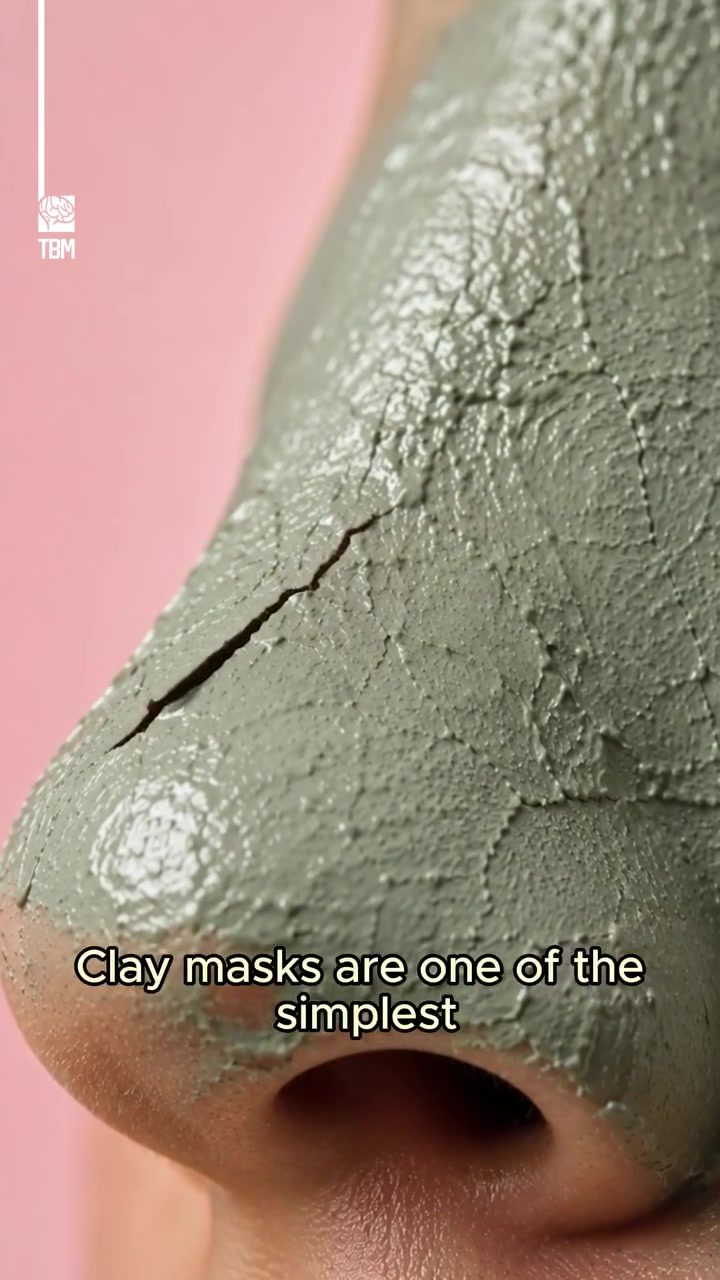
Clay Masks: A Natural Way to Refresh Your Skin
Clay masks are a natural and effective way to refresh your skin. They work by absorbing excess oil, dirt, and impurities, leaving the skin feeling cleaner, smoother, and less greasy. Rich in minerals like bentonite and kaolin, clay masks can support a healthier-looking complexion and temporarily tighten the skin. But how do they work, and what benefits do they offer?
Why Clay Masks Matter
Natural Ingredients
Clay masks are composed of natural ingredients, primarily different types of clay. Two of the most common types are bentonite and kaolin. These clays are rich in minerals that can support a healthier-looking complexion. When applied to the face, these clays act like a magnet, drawing out excess oil, dirt, and buildup from the surface of the skin. This process helps unclog pores, making the skin feel smoother and less greasy.
Skin Benefits
The primary benefits of clay masks include:
- Absorbing Excess Oil: Clay masks are particularly effective at absorbing excess oil, which can help manage shine and prevent breakouts.
- Unclogging Pores: By removing dirt and impurities, clay masks can help unclog pores, leading to a smoother and clearer complexion.
- Reducing Shine: The minerals in clay masks can help reduce the appearance of shine, making the skin look fresher and more balanced.
- Temporary Tightening: After rinsing, the skin may feel firmer due to the temporary tightening effect of the clay.
- Calming Breakouts: Some types of clay, such as bentonite and kaolin, are known for their soothing properties, which can help calm the appearance of breakouts.
The Science Behind Clay Masks
How They Work
When clay is applied to the face, it draws out impurities and toxins from the pores. Clays like bentonite and kaolin are particularly effective due to their high absorption properties. This process not only cleanses the skin but also helps to detoxify it, reducing the appearance of blemishes and promoting a clearer, healthier complexion.
Different Types of Clay
There are several types of clay used in skincare, each with its unique benefits:
- Bentonite Clay: Known for its powerful absorbing properties, bentonite clay can draw out impurities and toxins from the skin.
- Kaolin Clay: Gentler than bentonite, kaolin clay is often used for sensitive skin. It helps to cleanse and absorb excess oil without causing irritation.
- Rhassoul Clay: This type of clay is rich in minerals and is known for its ability to exfoliate and detoxify the skin.
Practical Tips for Using Clay Masks
Choosing the Right Clay
When selecting a clay mask, consider your skin type:
- Oily Skin: Opt for bentonite or rhassoul clay, which are more effective at absorbing excess oil.
- Dry or Sensitive Skin: Choose kaolin clay, as it is gentler and less likely to cause irritation.
Application Tips
- Preparation: Start with a clean face. Wet your skin lightly before applying the clay mask to help it adhere better.
- Application: Use a brush or your fingers to apply a thin, even layer of the clay mask to your face, avoiding the eye and mouth areas.
- Drying Time: Allow the mask to dry completely. This can take anywhere from 10 to 20 minutes, depending on the type of clay and the thickness of the layer.
- Removal: Once the mask is completely dry, gently peel it off or rinse it off with warm water. Avoid scrubbing, as this can irritate the skin.
- Aftercare: Apply a moisturizer to help replenish the skin's natural oils and keep it hydrated.
Frequency of Use
Clay masks should be used carefully. Using them too often can dry out the skin or cause irritation. Once or twice a week is usually enough to maintain a healthy, balanced complexion. If you have sensitive skin, start by using a clay mask once a week and adjust as needed based on how your skin responds.
Important Takeaways
Clay masks are a natural and effective way to refresh your skin. They work by absorbing excess oil, dirt, and impurities, leaving the skin feeling cleaner, smoother, and less greasy. Key benefits include unclogging pores, reducing shine, calming breakouts, and providing a temporary tightening effect. When choosing a clay mask, consider your skin type and the specific benefits of different types of clay. Always use clay masks carefully to avoid drying out or irritating the skin.
Conclusion
Clay masks are a simple, natural, and effective way to refresh and revitalize your skin. By absorbing excess oil, dirt, and impurities, they help unclog pores, reduce shine, and calm the appearance of breakouts. The key to getting the most out of a clay mask is to choose the right type for your skin and use it carefully. With regular use, clay masks can support a healthier-looking complexion, making them a valuable addition to any skincare routine.
Watch the Reel
Questions readers ask
What are the primary benefits of using clay masks on oily skin?
Clay masks are particularly beneficial for oily skin as they absorb excess oil and dirt, unclog pores, and reduce shine. This results in a smoother, healthier-looking complexion with a refreshed and tightened feeling.
Which types of clay are most commonly used in face masks?
The most common types of clay used in face masks are bentonite and kaolin. Bentonite clay is known for its strong absorbing properties, while kaolin clay is gentler and suitable for sensitive skin.
Can clay masks help with acne?
Clay masks can be helpful for acne as they draw out impurities and excess oil from pores, which can reduce breakouts and soothe inflamed skin. Regular use can contribute to a clearer, less greasy complexion.
How do I make a homemade clay mask?
To make a homemade clay mask, mix clay powder (such as bentonite or kaolin) with water or a natural liquid like apple cider vinegar or aloe vera gel until it forms a smooth paste. Apply the paste to your face, leave it on for 10-15 minutes, and then rinse off with warm water.
What does a clay mask do to tighten the skin?
Clay masks temporarily tighten the skin by absorbing excess oil and impurities, which can reduce the appearance of pores and leave the skin feeling smoother and firmer. However, the tightening effect is short-lived and the skin will return to normal soon after rinsing.
How often should I use a clay mask for best results?
For best results, use a clay mask once or twice a week. Regular use can help maintain a clearer, smoother complexion by consistently removing excess oil, dirt, and impurities, as well as unclogging and tightening pores.
Are there any specific minerals in clay masks that support skin health?
Clay masks are rich in minerals such as magnesium, calcium, and silica, which can support a healthier-looking complexion. These minerals can help to nourish the skin, improve texture, and promote overall skin health.
Recent articles
Fresh deep dives from the latest Reels we unpacked.




Comments
Be the first to comment.