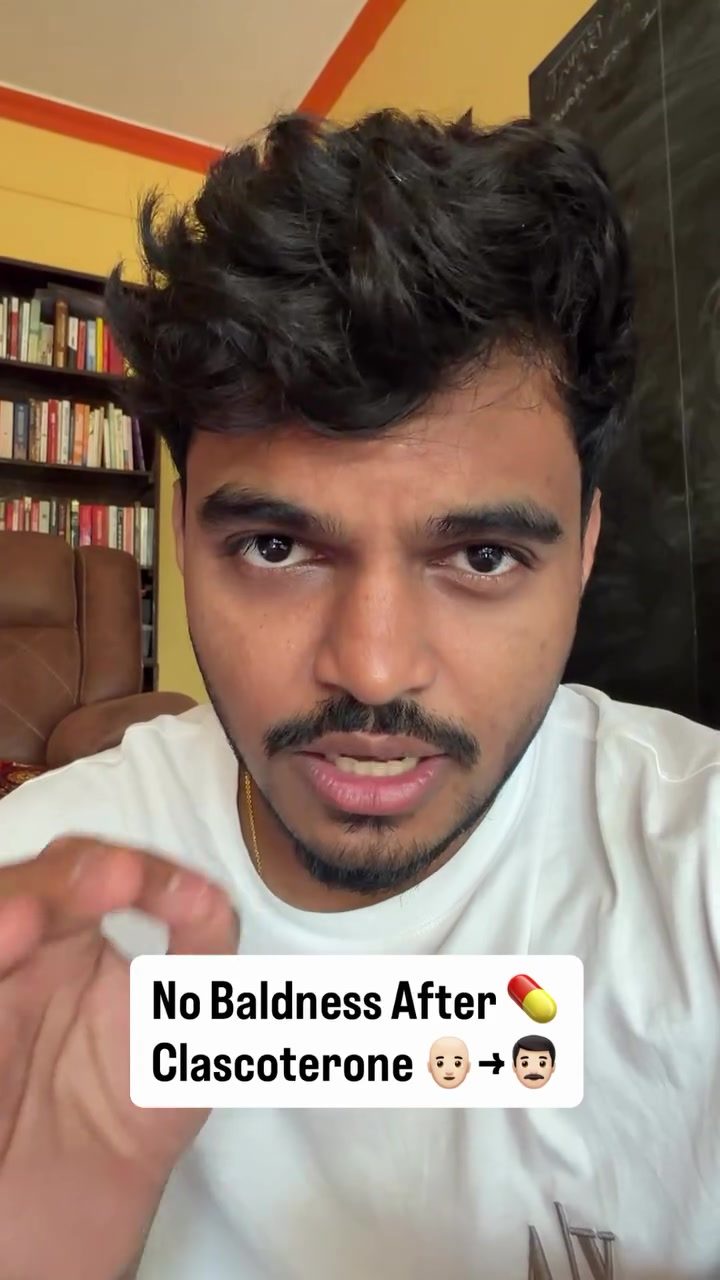
Hair Loss and DHT: Understanding the Role of Androgen Receptors
Hair loss is a complex issue that goes beyond simple genetics. One of the key factors involved is Dihydrotestosterone (DHT), a hormone derived from testosterone. DHT binds to androgen receptors in hair follicles, which can lead to gradual follicle miniaturization and, eventually, thinner and weaker hair. This process is particularly relevant for those genetically predisposed to hair loss.
Understanding DHT and Androgen Receptors
DHT is produced from testosterone through an enzyme called 5-alpha reductase. Unlike testosterone, DHT binds more tightly to androgen receptors, about ten times more effectively. This strong affinity means that even small amounts of DHT can significantly impact hair follicles. Clascoterone, a compound being studied for its potential in treating hair loss, works by interfering with this binding process. It aims to reduce androgen signaling locally on the scalp, thereby mitigating the effects of DHT.
The Multifacetorial Nature of Hair Loss
While DHT plays a crucial role, hair loss is influenced by a variety of factors. Nutrition, stress, sleep, iron, vitamin B12, zinc, protein intake, thyroid health, insulin resistance, and inflammation all contribute to overall hair health. Hair follicles are intricate biochemical factories that require a balanced environment to function optimally. Factors such as ATP production, amino acid availability, micronutrients, blood flow, and hormonal balance all play significant roles.
Supporting Hair Health Naturally
Given the complexity of hair loss, a holistic approach to hair health is essential. Here are some practical tips to support healthier hair:
Diet and Nutrition
- Protein-Rich Foods: Incorporate foods high in protein, such as eggs, meat, and legumes, to support hair growth and strength.
- Vitamin B12: Foods rich in vitamin B12, like fish and dairy, can help maintain healthy hair.
- Zinc: Zinc, found in foods like pumpkin seeds and oysters, is crucial for hair health.
- Folate: Foods high in folate, such as leafy greens and citrus fruits, contribute to overall hair health.
- Vitamin D: Optimize vitamin D levels through sun exposure or supplements to support hair follicles.
Lifestyle Factors
- Good Sleep: Ensure you get adequate sleep to allow your body to repair and regenerate.
- Resistance Training: Engage in resistance training to improve blood flow and overall health.
- Stress Management: Manage stress through techniques like meditation, yoga, or other relaxation methods.
Why Clascoterone Matters
Clascoterone is promising because it targets the androgen receptors directly, reducing the impact of DHT on the scalp. This targeted approach aims to prevent the miniaturization of hair follicles, potentially slowing or reversing hair loss. However, it's important to remember that hair loss is multifacetorial, and what works for one person may not work for another.
Practical Tips for Managing Hair Loss
- Consult a Dermatologist: Before starting any new treatment, consult a healthcare professional. They can provide personalized advice based on your specific needs.
- Maintain a Balanced Diet: Ensure your diet includes all the necessary nutrients to support hair health.
- Stay Hydrated: Drink plenty of water to keep your body and hair hydrated.
- Avoid Harmful Habits: Reduce or eliminate habits like smoking and excessive alcohol consumption, which can adversely affect hair health.
Important Takeaways
Hair loss is a complex issue influenced by multiple factors, including DHT, nutrition, stress, and overall health. Clascoterone offers a targeted approach to mitigating the effects of DHT, but it's just one piece of the puzzle. A holistic approach that includes a balanced diet, good sleep, stress management, and resistance training can significantly support hair health.
Conclusion
Understanding the role of DHT and androgen receptors in hair loss is a critical step in managing this issue. While Clascoterone shows promise, it's essential to recognize that hair loss is multifacetorial. By addressing various factors, from nutrition to lifestyle, you can support healthier hair and potentially mitigate the effects of DHT. Always consult a healthcare professional for personalized advice and treatment options.
Watch the Reel
Questions readers ask
What is DHT and how does it contribute to hair loss?
Dihydrotestosterone (DHT) is a hormone derived from testosterone. It contributes to hair loss by binding to androgen receptors in hair follicles, leading to gradual miniaturization and eventual thinning of the hair. This process is particularly relevant for individuals genetically predisposed to hair loss.
How does clascoterone help with hair loss?
Clascoterone is a compound that targets DHT, preventing it from binding to androgen receptors in hair follicles. By blocking DHT, clascoterone helps to slow down the miniaturization process, potentially reducing hair thinning and loss.
Can diet and stress really impact hair loss?
Yes, diet and stress can significantly impact hair health. A balanced diet rich in nutrients like zinc and proteins can promote hair growth. Conversely, poor nutrition, and stress can exacerbate hair loss by affecting the overall health of hair follicles and the body.
What are androgen receptors and why are they important in hair loss?
Androgen receptors are proteins found in hair follicles that DHT binds to. When DHT binds to these receptors, it can lead to hair follicle miniaturization and thinning. Understanding this process can help in developing targeted treatments, like clascoterone, to prevent hair loss.
Are there any specific foods that can help with hair health?
Foods rich in zinc, such as oysters, beef, and pumpkin seeds, can support hair health. Additionally, proteins found in foods like eggs, fish, and legumes are essential for maintaining healthy hair, as hair is primarily made of a protein called keratin.
How can I reduce DHT levels naturally to prevent hair loss?
While there's no guaranteed way to completely eliminate DHT, some natural approaches may help reduce its levels. These include maintaining a healthy diet, managing stress, and using natural DHT blockers found in certain foods and supplements, such as saw palmetto and green tea. However, it's important to consult with a healthcare provider before starting any new supplement regimen.
What other factors, besides DHT, can influence hair loss?
Several factors can influence hair loss, including genetics, age, hormonal changes, and medical conditions. Additionally, lifestyle factors like diet, stress, and overall health can play a significant role. Therefore, addressing hair loss often requires a multi-faceted approach that considers all these factors.
Related deep dives
Similar reads based on topic and creator.

Recent articles
Fresh deep dives from the latest Reels we unpacked.




Comments
Be the first to comment.