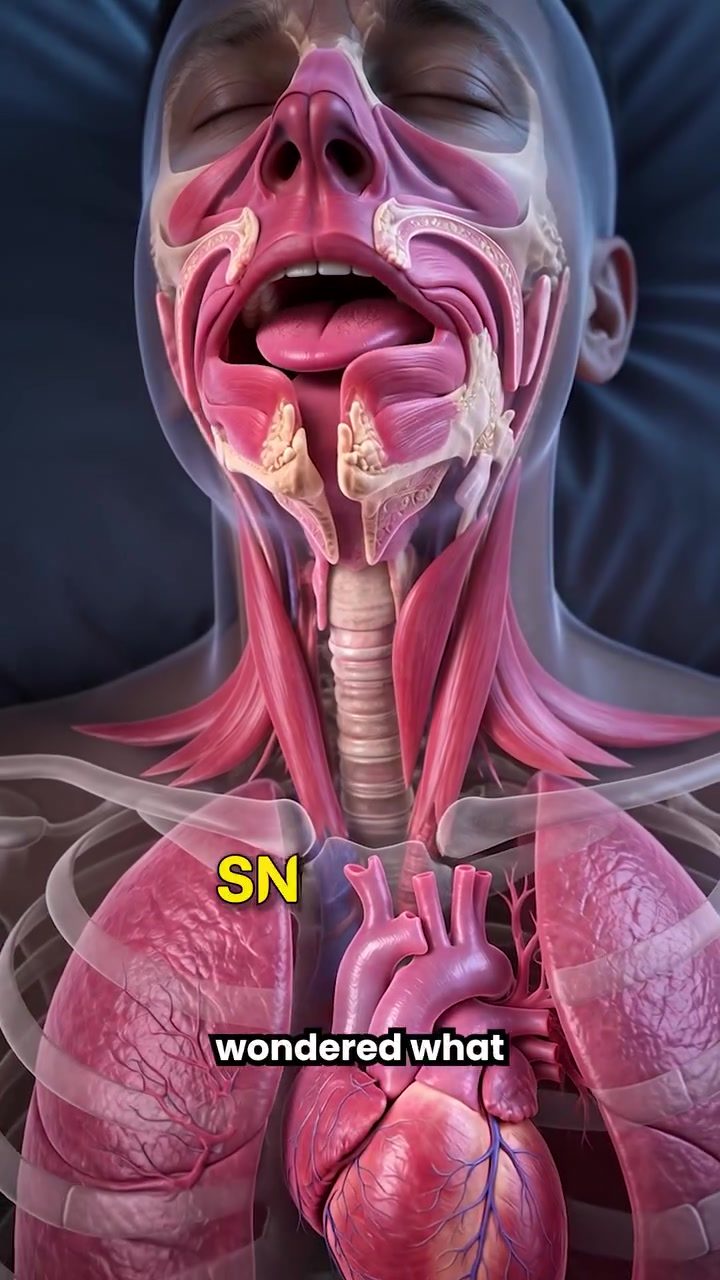
Chronic Snoring and Its Impact on Heart Health
Chronic snoring is more than just a nighttime annoyance. It can be a warning sign of a serious condition known as obstructive sleep apnea, which involves repeated pauses in breathing during sleep. These pauses can silently strain the heart and blood vessels, potentially leading to significant health issues over time.
Why This Matters
Understanding the connection between chronic snoring and heart health is crucial for recognizing the signs of obstructive sleep apnea. This condition can elevate the risk of high blood pressure, irregular heart rhythms, heart disease, and stroke. By identifying the warning signs, individuals can take proactive steps to protect their cardiac health.
Main Discussion
The Mechanics of Snoring and Sleep Apnea
Snoring occurs when the flow of air through the mouth and nose is obstructed during sleep. In the case of obstructive sleep apnea, this obstruction is severe enough to cause breathing to stop and start repeatedly. Each pause in breathing can briefly lower the oxygen level in the blood, triggering the brain to partially wake the individual to resume breathing. This cycle can happen multiple times throughout the night, often without the person's awareness.
The repeated disruption of sleep and the strain on the body's systems can have significant health implications. The heart has to work harder to pump blood, and the blood vessels experience increased pressure. Over time, this extra strain can lead to various cardiovascular issues.
The Silent Strain on the Heart
Obstructive sleep apnea places a silent but significant strain on the heart. The repeated cycles of oxygen deprivation and increased blood pressure force the heart to work harder, potentially leading to long-term damage. High blood pressure, or hypertension, is a common consequence of untreated sleep apnea, further increasing the risk of heart disease and stroke.
Recognizing the Warning Signs
Loud, frequent snoring accompanied by gasping or choking during sleep can be more than just noise. These symptoms may indicate that the body is struggling to breathe properly during sleep. If left untreated, sleep apnea can progress, leading to more severe health complications. Recognizing these warning signs is the first step in seeking appropriate medical intervention.
Practical Tips
If you or someone you know experiences chronic snoring, especially if it is loud, frequent, or accompanied by gasping or choking, it is important to take action. Here are some practical tips:
- Consult a Healthcare Professional: If you suspect you may have obstructive sleep apnea, consult a healthcare provider. They can perform a sleep study to diagnose the condition and recommend appropriate treatment.
- Lifestyle Changes: Maintaining a healthy weight, avoiding alcohol and sedatives before bed, and sleeping on your side can sometimes alleviate symptoms. However, these changes may not be sufficient for severe cases.
- CPAP Therapy: Continuous Positive Airway Pressure (CPAP) therapy is a common treatment for obstructive sleep apnea. This involves wearing a mask connected to a machine that delivers a steady stream of air, keeping the airway open during sleep.
- Oral Appliances: For some individuals, oral appliances that reposition the jaw and tongue can help keep the airway open during sleep.
- Surgery: In certain cases, surgery may be recommended to correct physical abnormalities in the throat or nasal passages that contribute to obstructive sleep apnea.
Sleep Apnea and Heart Disease
Untreated sleep apnea has been linked to an increased risk of high blood pressure, irregular heart rhythms, heart disease, and stroke. The repeated cycles of oxygen deprivation and increased blood pressure can put a significant strain on the heart and blood vessels. Over time, this can lead to serious cardiovascular complications, including heart failure.
Important Takeaways
- Chronic snoring can be a warning sign of obstructive sleep apnea, a condition that involves repeated pauses in breathing during sleep.
- These pauses can lower oxygen levels in the blood and increase blood pressure, placing extra strain on the heart and blood vessels.
- Over time, untreated sleep apnea can lead to high blood pressure, irregular heart rhythms, heart disease, and stroke.
- Recognizing the warning signs, such as loud, frequent snoring accompanied by gasping or choking, is crucial for seeking timely medical intervention.
- Treatment options include lifestyle changes, CPAP therapy, oral appliances, and in some cases, surgery.
Conclusion
Chronic snoring is not just a minor inconvenience; it can be a serious health issue. By understanding the connection between snoring and obstructive sleep apnea, individuals can take proactive steps to protect their heart health. Recognizing the warning signs and seeking appropriate medical intervention can help prevent long-term cardiovascular complications. If you or someone you know experiences chronic snoring, it is essential to consult a healthcare professional for a proper diagnosis and treatment plan.
Watch the Reel
Related deep dives
Similar reads based on topic and creator.

Recent articles
Fresh deep dives from the latest Reels we unpacked.




Comments
Be the first to comment.