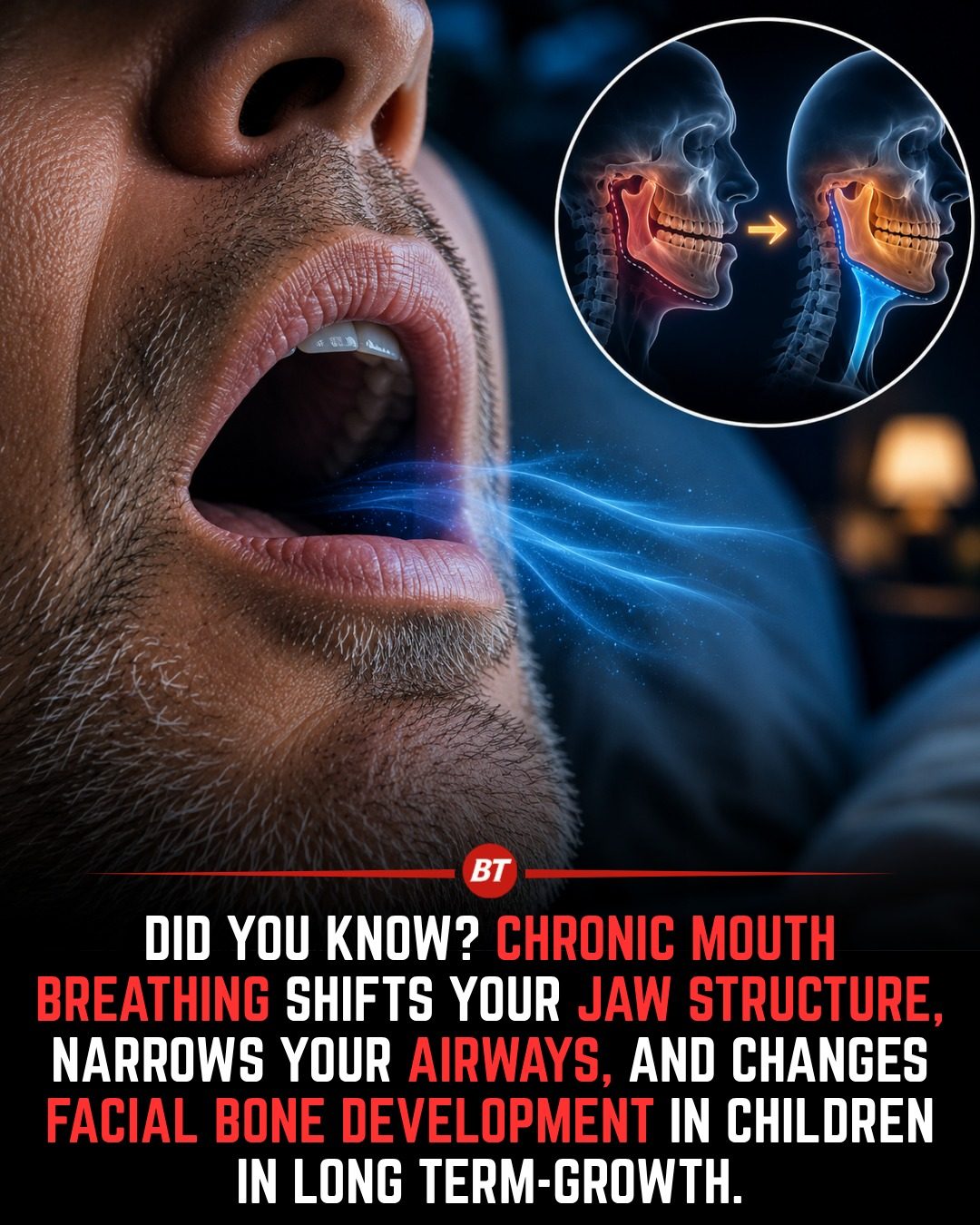
Jaw Structure and Breathing
How a child breathes can significantly impact the development of their face, jaw, and airways. This influence is particularly notable during childhood, a critical period for growth and development. Chronic mouth breathing, for instance, can lead to changes in jaw structure, teeth alignment, and airway size. Understanding these effects can help parents and caregivers support their children's healthy development.
Context / Why this matters
Breathing patterns are often overlooked when considering a child's overall health and development. Yet, the way a child breathes can have profound and lasting effects on their facial structure and overall well-being. Addressing these issues early can prevent long-term health complications and support normal facial development.
Main discussion
The Impact of Chronic Mouth Breathing
Chronic mouth breathing can cause the tongue to rest lower in the mouth, rather than against the roof. This position can lead to a narrower upper jaw, crowded teeth, and a smaller airway. Over time, these changes can contribute to a longer facial appearance. This phenomenon is particularly significant during childhood, as the bones and facial structures are still developing. Nasal breathing, on the other hand, encourages the tongue to rest against the roof of the mouth, guiding the healthy growth of the upper jaw.
Facial Bone Development in Children
The facial bones and jaw structure are particularly vulnerable to changes during childhood. Chronic mouth breathing can alter the normal growth patterns, leading to a more elongated facial structure and a smaller airway. This alteration in facial bone development can have serious implications, including sleep-disordered breathing and other related health issues. Nasal breathing is crucial for proper facial bone development, as it encourages the tongue to rest in a position that supports healthy growth.
The Long-Term Effects
Chronic mouth breathing can have long-term effects on a child's overall health and development. It can lead to a narrower upper jaw, crowded teeth, and a smaller airway. This condition can also contribute to a longer facial appearance and a variety of health issues, including sleep-disordered breathing. Addressing chronic mouth breathing early can help prevent these long-term effects and support normal facial development.
Underlying Causes
Children who mouth breathe often do so due to allergies, chronic congestion, or enlarged adenoids. These conditions can obstruct the nasal passages, making it difficult for the child to breathe through the nose. Over time, this can lead to chronic mouth breathing and the associated changes in jaw structure and facial development. Identifying and treating the underlying cause of chronic mouth breathing is crucial for supporting normal facial development and overall health.
Practical tips
When to Seek Professional Help
If a child regularly sleeps with their mouth open, snores frequently, or struggles to breathe through their nose, it is worth discussing with their pediatrician or dentist. These symptoms can indicate chronic mouth breathing and an underlying issue that deserves attention.
Addressing the Underlying Causes
Chronic mouth breathing is often a symptom of an underlying issue, such as allergies, chronic congestion, or enlarged adenoids. Addressing these issues can help prevent chronic mouth breathing and its associated effects on facial development. For example, treating allergies or removing enlarged adenoids can help a child breathe through their nose, supporting healthy facial bone development.
Supporting Nasal Breathing
Encouraging nasal breathing can help support healthy facial bone development. This can be achieved by addressing any underlying issues that may be causing chronic mouth breathing, such as allergies or enlarged adenoids. Additionally, nasal breathing exercises or the use of nasal strips can help a child breathe through their nose and support healthy facial development.
Important takeaways
Chronic mouth breathing can have serious and lasting effects on a child's facial structure and overall health. By understanding these effects and addressing any underlying issues, parents and caregivers can support their children's healthy development. Early intervention and addressing the root causes of chronic mouth breathing are key to preventing long-term complications and ensuring normal facial development.
Conclusion
How a child breathes can significantly impact their facial structure, jaw development, and overall health. Chronic mouth breathing can lead to a narrower upper jaw, crowded teeth, and a smaller airway, as well as a variety of health issues. Addressing any underlying causes and encouraging nasal breathing can help support normal facial development and prevent long-term complications. By being aware of these issues and taking proactive steps, parents and caregivers can ensure their children grow up with a healthy and well-developed facial structure.
Watch the Reel
Questions readers ask
How does mouth breathing affect a child's jaw development?
Chronic mouth breathing can lead to a more prolonged vertical growth of the lower jaw, resulting in a longer, narrower face, and a more pronounced chin. The upper jaw may also become narrower and more V-shaped. This occurs because mouth breathing can change the position of the tongue, which plays a crucial role in shaping the jaw.
Can mouth breathing cause teeth misalignment?
Yes, chronic mouth breathing can contribute to teeth misalignment, also known as malocclusion. This is because mouth breathing can lead to oral habits like tongue thrusting, which can cause the teeth to move out of alignment. It can also result in an open bite, where the front teeth do not overlap when the mouth is closed.
What are the benefits of nasal breathing for children?
Nasal breathing encourages the proper development of the face and jaw by promoting the correct position of the tongue and lips. It also supports the growth of the maxillary sinuses and helps to structure the nasopharyngeal cavity. Moreover, nasal breathing helps to humidify and filter the air, reducing the risk of respiratory infections.
At what age should mouth breathing in children be addressed?
It is ideal to address mouth breathing in children as early as possible, even in toddlers. If left untreated, chronic mouth breathing can lead to long-term changes in facial structure, jaw development, and airway size. Early intervention can help prevent these issues and support normal facial development.
What are some ways to prevent or stop mouth breathing in children?
To encourage nasal breathing, ensure your child’s nasal passages are clear. Use saline drops or a humidifier if needed. Address any underlying issues like allergies. Promote good posture, keeping the head and neck in a neutral position. Myofunctional therapy can also help by teaching children to use their facial muscles correctly.
How does mouth breathing impact a child's airway?
Chronic mouth breathing can lead to a smaller airway size, which can cause issues like snoring, sleep apnea, and frequent respiratory infections. The tongue's position in mouth breathing can block the airway and cause it to become narrower, leading to these complications. Addressing mouth breathing early can help maintain a healthy airway size.
Can mouth breathing cause changes to a child's facial structure?
Yes, chronic mouth breathing can lead to noticeable changes in a child's facial structure. The face may appear longer and narrower, with a more pronounced chin and a narrower upper jaw. The cheekbones may be less prominent, and the lips may be more protruded. These changes can alter the child's appearance and affect their overall well-being.
Related deep dives
Similar reads based on topic and creator.




Recent articles
Fresh deep dives from the latest Reels we unpacked.




Comments
Be the first to comment.