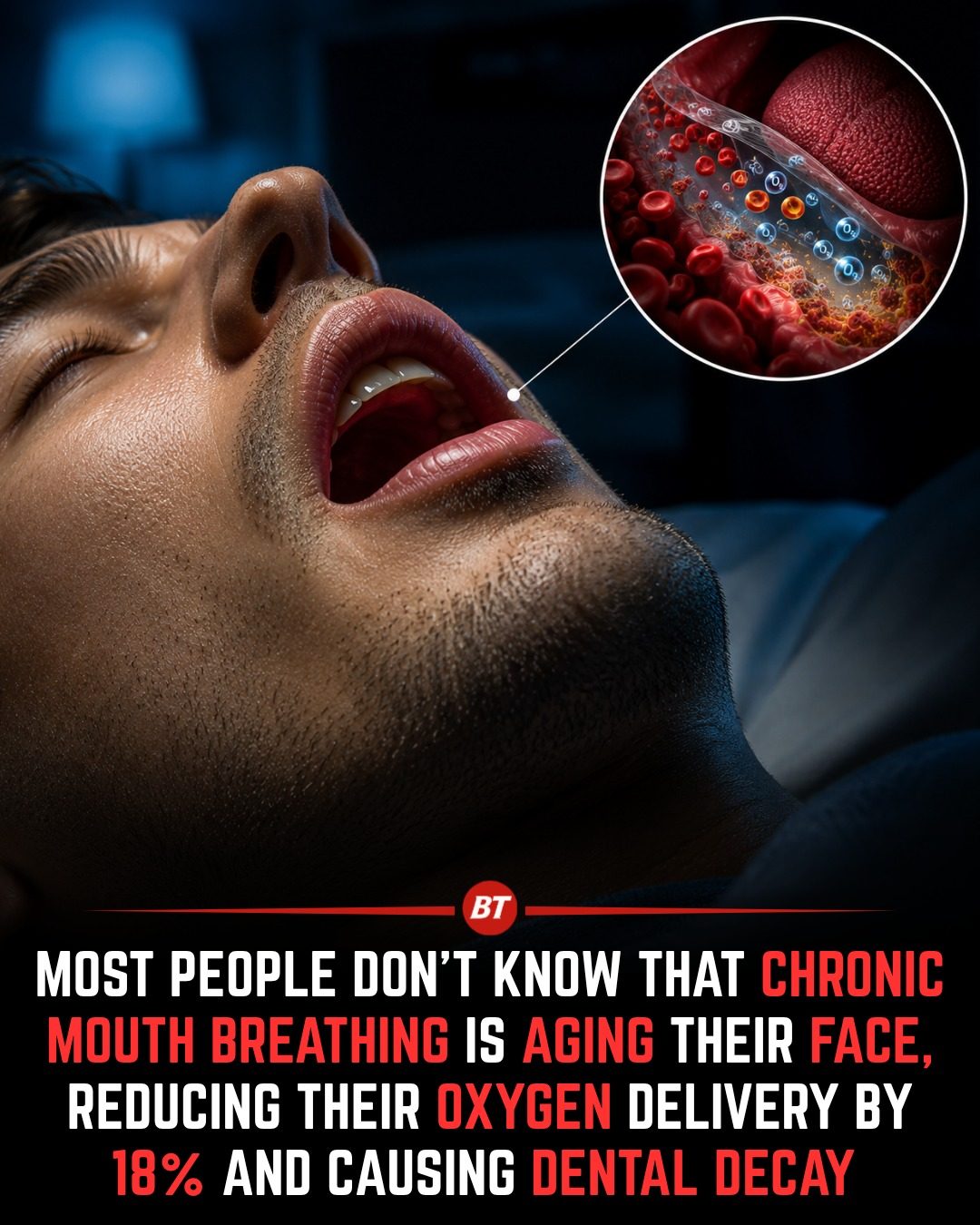
Mouth Breathing and Facial Aging
Chronic mouth breathing is more than just an unpleasant habit. It can accelerate facial aging, increase the risk of dental decay, and even impact overall health. Understanding the intricacies of this often-overlooked issue is crucial for maintaining both oral and general well-being.
Context / Why This Matters
Mouth breathing, especially when it becomes a chronic condition, can have profound effects on the body. When you breathe through your mouth, you bypass the natural filtering, warming, and humidifying processes that occur in the nasal passages. Nasal breathing, on the other hand, is designed to filter out impurities, warm the air, and humidify it before it reaches the lungs. This process also helps produce nitric oxide, a natural gas that enhances airflow in the lungs, supports healthy blood vessel function, and improves oxygen exchange.
Chronic mouth breathing can lead to a reduction in oxygen delivery by up to 18%. This decrease in oxygen can have various negative impacts on the body, including accelerated facial aging. The mouth, which is not designed to breathe air continuously, can dry out, reducing the protective effects of saliva. Saliva plays a crucial role in neutralizing acids, washing away food particles, and controlling harmful bacteria. Without adequate saliva, the risk of tooth decay, gum disease, bad breath, and oral infections increases significantly.
Main Discussion
The Link to Dental Decay
When you breathe through your mouth, it can dry out your oral cavity, leading to a significant reduction in saliva production. Saliva is essential for maintaining oral health as it helps neutralize acids, wash away food particles, and control harmful bacteria. Without enough saliva, your teeth and gums become more vulnerable to decay and disease. This vulnerability extends to various oral health issues, including bad breath and oral infections.
Research has shown that chronic mouth breathing can lead to dental decay, gum disease, and other oral health problems. The constant exposure to dry conditions in the mouth creates an environment where harmful bacteria can thrive, leading to complications that can be difficult to treat.
Impact on Sleep and Overall Health
Chronic mouth breathing has been linked to several conditions that can affect sleep quality and overall health. For instance, it can lead to snoring, poor sleep quality, and even obstructive sleep apnea. These conditions can contribute to daytime fatigue, reduced concentration, and long-term cardiovascular problems if left untreated.
Snoring and obstructive sleep apnea are common issues associated with chronic mouth breathing. These conditions can disrupt sleep, leading to a variety of health problems. Poor sleep quality can affect your cognitive function, mood, and overall well-being, making it essential to address the underlying causes of mouth breathing.
Facial Development in Children
In children, persistent mouth breathing can influence jaw and facial development. This is why dentists and pediatric specialists encourage early evaluation and treatment when mouth breathing becomes a long-term habit. The jaw and facial structures develop in response to the forces exerted by the muscles and the way we use them, including breathing.
Chronic mouth breathing can alter these forces, leading to narrow or underdeveloped jaws, long faces, and other dental and skeletal problems. Early intervention can help prevent these issues and ensure proper facial and dental development.
What Happens in the Body?
When you breathe through your mouth, you're missing out on the benefits of nitric oxide production. Nitric oxide is a natural gas that plays a crucial role in various bodily functions, including improving airflow in the lungs, supporting healthy blood vessel function, and enhancing oxygen exchange. Nasal breathing facilitates the production of nitric oxide, which is essential for maintaining good health.
Chronic mouth breathing can reduce the protective effects of saliva, leading to increased risks of tooth decay, gum disease, and other oral infections. This means that addressing the issue of chronic mouth breathing is essential for maintaining overall health and well-being.
Practical Tips
To support healthy breathing and mitigate the risks associated with chronic mouth breathing, consider the following tips:
Breathing Exercises
Practice nasal breathing exercises to strengthen your nasal passages and improve your breathing patterns. These exercises can help you transition from mouth breathing to nasal breathing, which is more efficient and beneficial for your health. Some effective exercises include:
- Nasal Breathing: Practice breathing through your nose for short periods, gradually increasing the duration as you get more comfortable.
- Breathing Through a Straw: Use a straw to practice breathing through your nose. This exercise can help strengthen your nasal passages and improve your breathing patterns.
- Diaphragmatic Breathing: Lie on your back and place a book on your abdomen. Inhale deeply, allowing your abdomen to rise and the book to lift. Exhale slowly, allowing the book to lower.
Lifestyle Changes
Make lifestyle changes that support nasal breathing. For example, avoid activities that promote mouth breathing, such as eating spicy foods or drinking alcohol, as these can irritate the nasal passages and lead to mouth breathing.
If you frequently wake up with a dry mouth, snore loudly, or notice that you're breathing through your mouth most of the day, consider speaking with a healthcare professional. Allergies, nasal congestion, a deviated septum, or sleep apnea are common causes that can often be treated.
Important Takeaways
Chronic mouth breathing can lead to various health issues, including accelerated facial aging, dental decay, and poor sleep quality. Addressing this issue is essential for maintaining overall health and well-being. By transitioning to nasal breathing and adopting healthy lifestyle habits, you can mitigate the risks associated with chronic mouth breathing and improve your overall health.
Conclusion
Mouth breathing, especially when it becomes chronic, can have profound effects on your health. Addressing this issue is essential for maintaining overall well-being, including dental health, sleep quality, and cardiovascular function. By taking steps to promote nasal breathing and adopting healthy lifestyle habits, you can significantly improve your health and reduce the risks associated with chronic mouth breathing.
Watch the Reel
Questions readers ask
What are the key differences between mouth breathing and nasal breathing?
Nasal breathing filters, warms, and humidifies air before it reaches the lungs, while mouth breathing bypasses these processes. Nasal breathing also produces nitric oxide, which is beneficial for overall health. Chronic mouth breathing can lead to various health issues due to these differences.
How does chronic mouth breathing accelerate facial aging?
Chronic mouth breathing can lead to a loss of facial muscle tone and elasticity, which contributes to the appearance of premature aging. It can also cause a long, narrow face shape and a reduced lower jaw, which are signs of accelerated facial aging.
What are the main risks of chronic mouth breathing to oral health?
Chronic mouth breathing can increase the risk of dental decay, gum disease, bad breath, and oral infections. This is because it reduces oxygen delivery and changes saliva composition, which can negatively affect the oral environment and make it more susceptible to infections and decay.
Can chronic mouth breathing impact overall health, and if so, how?
Yes, it can impact overall health by increasing the risk of respiratory infections, sleep disorders, and other systemic issues. Chronic mouth breathing can lead to reduced oxygen delivery, which can affect overall health and well-being and lead to chronic health issues.
How can I determine if I or my child is a mouth breather?
Signs of mouth breathing include dry and cracked lips, a dry or sore throat, bad breath, and snoring. In children, mouth breathing can also lead to a long, narrow face shape and a reduced lower jaw. If you suspect mouth breathing, consult a healthcare professional for a proper evaluation.
What are some strategies to correct chronic mouth breathing?
Correcting chronic mouth breathing typically involves addressing the underlying cause, such as nasal congestion or allergies. This may include using nasal strips, practicing breathing exercises, or using orthodontic appliances or other treatments recommended by a healthcare professional.
What are the effects of chronic mouth breathing on dental alignment?
Chronic mouth breathing can contribute to malocclusion, a misalignment of the teeth and jaws. This is because mouth breathing can lead to a narrow jaw and a long, narrow face, which can result in dental problems and misalignment. Addressing mouth breathing can help improve dental alignment and overall oral health.
Related deep dives
Similar reads based on topic and creator.




Recent articles
Fresh deep dives from the latest Reels we unpacked.




Comments
Be the first to comment.