Canned Fish: A Complete Guide to Making Smarter Choices
The modern consumer is often faced with a daunting task when trying to choose canned fish. The options can be overwhelming, but with the right knowledge, making a healthy and sustainable choice is simple!
Why This Matters
Canned fish is a versatile and convenient protein source. It can be incorporated into a variety of meals and is a staple in many pantries. However, not all canned fish are created equal. The quality, sustainability, and nutritional value can vary greatly depending on the brand and type. Understanding the different factors that contribute to a high-quality canned fish product is essential for making the best choice for your health and the environment.
Key Factors to Consider When Choosing Canned Fish
Selecting the right canned fish involves considering several factors. These factors include sourcing, oil type, and ingredient lists. Let’s dive into each of these to help you make an informed decision.
Sourcing
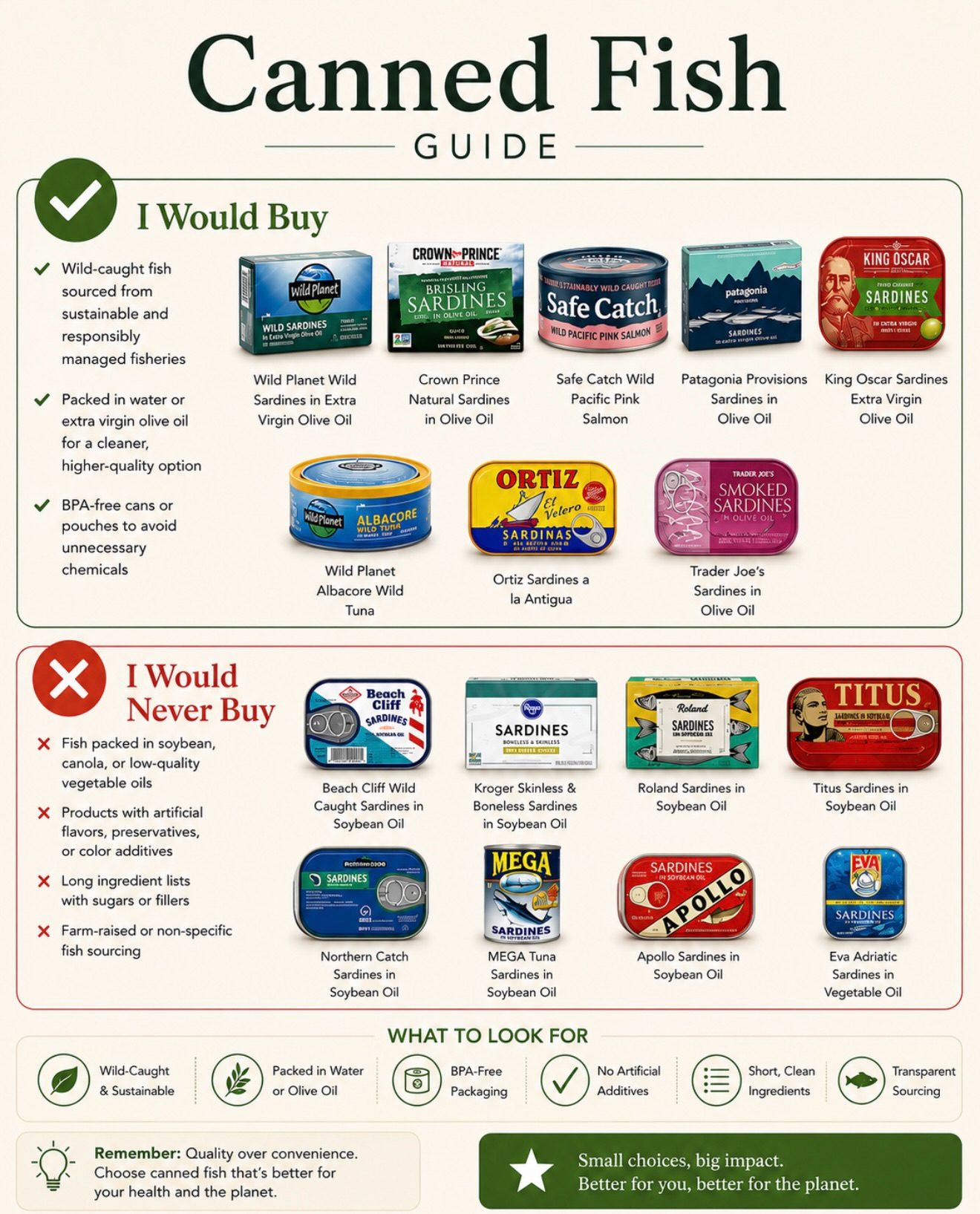
The source of the fish is one of the most important factors to consider. Wild-caught fish from responsibly managed fisheries are generally a better choice than farm-raised or non-specific sourcing. Wild-caught fish are often more sustainably sourced and have a more natural diet, which can contribute to better nutritional content.
Oil Type
The type of oil used in canning can significantly impact the nutritional value and taste of the fish. Opt for canned fish packed in water or extra virgin olive oil. These options are generally healthier as they contain fewer calories and are less likely to be processed. Avoid fish packed in soybean oil, as it is often highly processed and can contain fewer nutrients.
Ingredient Lists
It’s vital to look for short, clean ingredient lists. This ensures that the fish is minimally processed and free from unnecessary additives. Key features to look for in a good ingredient list include:
- BPA-free cans or pouches: These help avoid unnecessary chemicals.
- No artificial additives: This means no artificial flavors, preservatives, or color additives.
- Healthy fats: Ensure the fish is packed in healthy oils like extra virgin olive oil, rather than heavily processed seed oils.
- Good source of protein: Quality canned fish should provide a substantial amount of protein.
- Sustainable practices: Look for certifications or labels that indicate the fish was sourced sustainably.
Examples of Good and Bad Choices
When shopping for canned fish, consider the following examples to guide your decisions.
I Would Buy
-
Wild Planet: This brand is known for its sustainably sourced, wild-caught fish packed in water or extra virgin olive oil. It is an excellent choice for those looking for a high-quality, nutritious option.
-
Ortiz: Another reliable brand offering canned fish with short, clean ingredient lists and a focus on sustainability.
I Would Never Buy
-
Beach Cliff Wild Caught Sardines in Soybean Oil: While the sourcing may be good, the use of soybean oil makes this a less desirable choice.
-
Roland Boneless Sardines in Soybean Oil: Similar to Beach Cliff, the soybean oil is a downside.
-
Titus Sardines in Soybean Oil: Another example of good sourcing with a less desirable oil type.
-
Northern Catch Tuna in Soybean Oil: Again, the soybean oil is a concern.
-
MEGA Tuna Sardines in Soybean Oil: This brand should be avoided due to the soybean oil.
-
Apollo Sardines in Soybean Oil: Another brand to skip due to the oil type.
-
Eva Adriatic Vegetable Oil: While the specific oil type might be better than soybean oil, the lack of clarity on sourcing and potential artificial additives makes this a less ideal choice.
Practical Tips for Choosing Canned Fish
When you’re at the grocery store, follow these practical tips to ensure you’re making the best choice for your health and the environment.
-
Check the Label: Always read the ingredient list and look for short and clean labels. Avoid products with long ingredient lists and artificial additives.
-
Look for Certifications: Brands that are certified by organizations like the Marine Stewardship Council (MSC) are more likely to adhere to sustainable practices.
-
Compare Brands: When possible, compare different brands side by side. Look at the sourcing, oil type, and ingredient lists to make an informed decision.
-
Consider Your Preferences: Choose canned fish that fits your dietary needs and preferences. If you prefer fish packed in water, look for brands that offer this option.
-
Stay Informed: Keep up with the latest research on sustainable fishing practices and nutritional content. The more you know, the better equipped you’ll be to make smart choices.
Important Takeaways
-
Quality Over Convenience: Choosing canned fish that is better for your health and the planet is a small but significant step toward a healthier lifestyle.
-
Read Labels Carefully: Pay attention to sourcing, oil type, and ingredient lists. These factors can greatly impact the nutritional value and sustainability of the product.
-
Sustainable Practices Matter: Opting for brands that prioritize sustainable fishing practices helps support the environment and ensures a healthier planet for future generations.
-
Small Steps Add Up: Making better choices within the same category, such as choosing high-quality canned fish, can make a significant difference over time.
Conclusion
Choosing the right canned fish can be a challenge, but with the right information, it becomes much easier. Focus on wild-caught fish from responsibly managed fisheries, packed in water or extra virgin olive oil, and with short, clean ingredient lists. By doing so, you can ensure that you’re making a healthier and more sustainable choice for both yourself and the planet.
Watch the Reel
Questions readers ask
What are the health benefits of consuming canned fish?
Canned fish is a rich source of lean protein and omega-3 fatty acids, which are essential for heart health and brain function. It also provides vitamins and minerals like vitamin D and selenium. Opting for canned fish with no added salt or low sodium can help maintain a balanced diet.
How do I choose a sustainable canned fish option?
Look for certifications such as the Marine Stewardship Council (MSC) label, which ensures the fish was caught sustainably. Additionally, choose younger species and smaller fish as they are more likely to be sustainably managed. Avoid brands that use unsustainable fishing practices.
What type of oil should I look for in canned fish?
The best choice for health-conscious consumers is canned fish packed in water. This option has fewer calories and less fat than those packed in oil. If you prefer canned fish in oil, opt for olive oil, which has a higher nutritional profile.
What should I look for in the ingredient list of canned fish?
Aim for canned fish with a simple ingredient list. Avoid products with added salt, artificial ingredients, and preservatives. Opt for brands that use wild-caught fish and have minimal processing.
Are there any specific canned fish brands known for their quality and sustainability?
Brands like Wild Planet, Safe Catch, and Vital Choice are well-regarded for their commitment to sustainability and quality. These brands often use wild-caught fish, avoid environmentally harmful practices, and have stringent quality control measures.
Why is wild-caught canned fish a better choice than farmed?
Wild-caught canned fish generally has a lower environmental impact than farmed fish. Wild-caught fish are less likely to contain antibiotics and hormones, which are often used in fish farming. Additionally, wild-caught fish tend to have a more natural diet and can be more nutrient-dense.
What are some healthy canned fish options besides tuna and salmon?
Consider options like sardines, mackerel, and anchovies, which are rich in omega-3 fatty acids and other essential nutrients. These fish are often more sustainably managed and can offer a variety of flavors and textures to your meals.
Related deep dives
Similar reads based on topic and creator.

Recent articles
Fresh deep dives from the latest Reels we unpacked.




Comments
Be the first to comment.