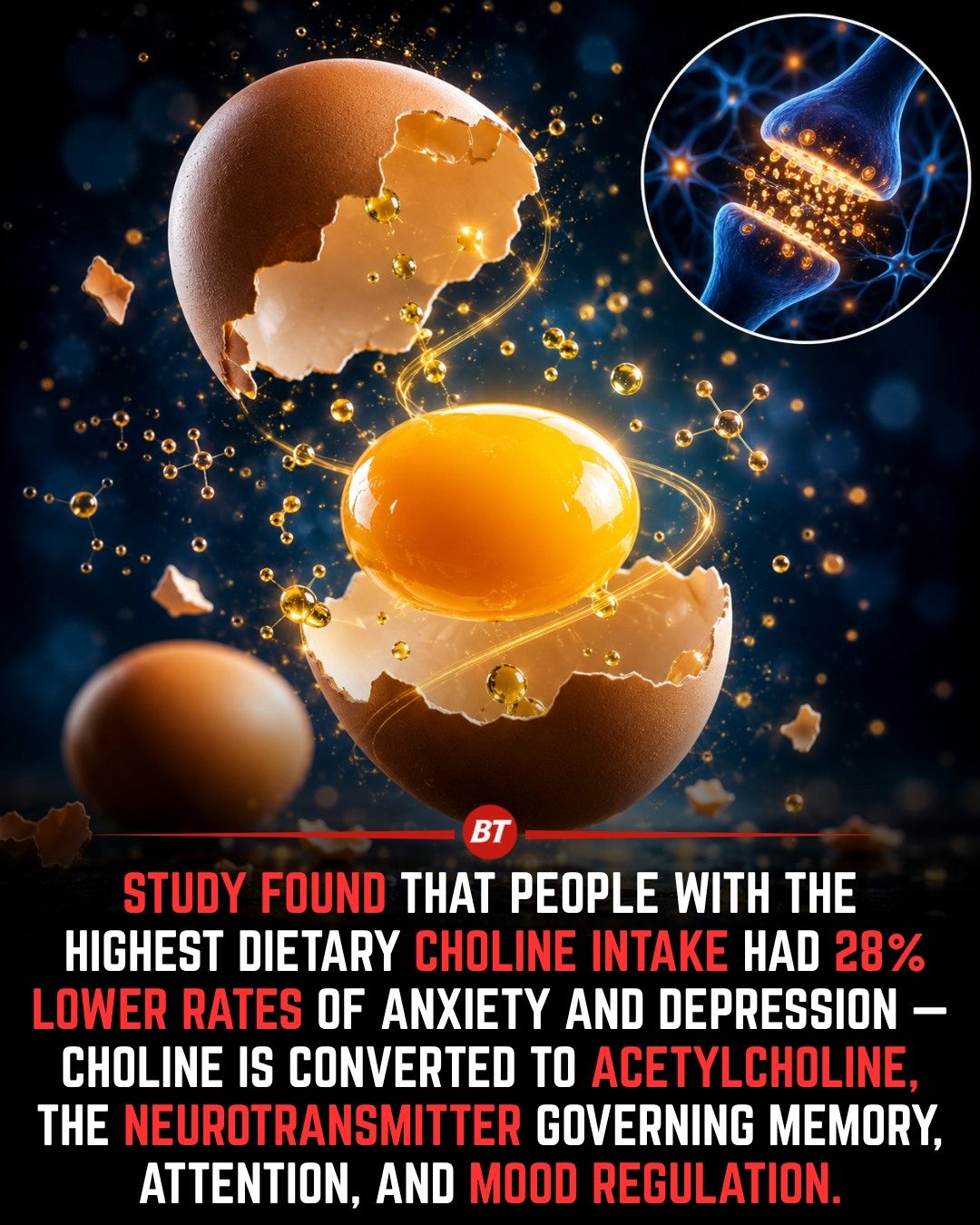
Choline and Its Impact on Mental Health
Choline is an essential nutrient that plays a crucial role in brain health, often overlooked in favor of more well-known nutrients like vitamins and minerals. Recent studies have highlighted the importance of choline, particularly its potential benefits for mental health. One study found that individuals with the highest dietary choline intake had significantly lower rates of anxiety and depression. This finding underscores the need to pay closer attention to choline in our diets.
Why This Matters
Mental health conditions such as anxiety and depression are prevalent and can significantly impact quality of life. While factors like genetics, environment, and lifestyle play critical roles, diet and nutrition also contribute to overall mental well-being. Understanding the role of specific nutrients like choline can provide valuable insights into managing and potentially preventing these conditions.
Understanding Choline and Its Functions
What is Choline?
Choline is a water-soluble nutrient that belongs to the B-complex group of vitamins. It is essential for various bodily functions, including the production of the neurotransmitter acetylcholine. This neurotransmitter is involved in memory, learning, and mood regulation, making choline indispensable for brain health. Acetylcholine helps nerve cells communicate, and it is crucial for memory formation, concentration, and learning.
Sources of Choline
Foods rich in choline include:
- Eggs
- Salmon
- Beef
- Chicken
- Soybeans
- Liver
Despite being crucial, many adults do not consume enough choline each day. This nutrient is often overlooked, making it an essential component of a balanced diet that requires more attention.
Choline and Acetylcholine
Choline is converted into acetylcholine, a neurotransmitter that governs memory, attention, and mood regulation. This conversion is vital for maintaining normal brain function. Acetylcholine helps nerve cells communicate effectively, playing a key role in memory formation, concentration, and learning. By ensuring adequate choline intake, you support the production of acetylcholine, which in turn helps maintain optimal brain function.
Practical Tips for Boosting Choline Intake
Incorporating choline-rich foods into your daily meals is a practical way to boost your intake. Here are some tips to help you get more choline in your diet:
Incorporate Eggs into Your Diet
Eggs are one of the richest sources of choline. Adding one or two eggs to your breakfast can significantly increase your daily choline intake. Try preparing them in various ways to keep your meals interesting—scrambled, boiled, or poached.
Include Fish and Poultry
Fatty fish like salmon and poultry such as chicken and beef are excellent sources of choline. Grilling salmon or adding it to salads and stir-fries is a delicious way to boost your choline levels.
Add Plant-Based Sources
If you prefer plant-based options, consider incorporating soybeans into your diet. Roasted soybeans or tofu dishes can provide a good amount of choline while offering a variety of flavors and textures.
Consider Fortified Foods
Some foods are fortified with choline, making them a convenient way to boost your intake without significantly altering your diet. Look for fortified cereals, dairy products, and supplements if needed.
Important Takeaways
- Choline is vital for brain health, playing a critical role in the production of acetylcholine, a neurotransmitter essential for memory, attention, and mood regulation.
- Studies show a correlation between high choline intake and lower rates of anxiety and depression, highlighting the potential benefits of this nutrient for mental health.
- Common sources of choline include eggs, fish, poultry, soybeans, and liver, making it relatively easy to incorporate into a balanced diet.
Conclusion
Choline is an often-overlooked but essential nutrient for brain health. By understanding its role in neurotransmitter production and its impact on mental health, you can make informed dietary choices to support your overall well-being. Incorporating choline-rich foods into your diet is a practical step towards maintaining optimal brain function and potentially reducing the risk of anxiety and depression. While no single nutrient can replace good sleep, regular exercise, stress management, or professional mental health care, ensuring adequate choline intake is one piece of the puzzle that helps keep your brain functioning at its best.
Watch the Reel
Questions readers ask
What exactly is choline and why is it important for mental health?
Choline is an essential nutrient that plays a significant role in brain health. It is crucial for producing the neurotransmitter acetylcholine, which is vital for memory, learning, and mood regulation. Studies have shown that adequate choline intake may help reduce symptoms of anxiety and depression.
How does choline help reduce anxiety and depression?
Choline supports the production of acetylcholine, a neurotransmitter that influences mood regulation. By maintaining healthy levels of acetylcholine, choline can help mitigate symptoms of anxiety and depression, promoting better mental well-being.
What are the best dietary sources of choline?
Choline is found in a variety of foods, with some of the richest sources including eggs, particularly the yolks, salmon, beef, chicken, and certain types of fish. Incorporating these foods into your diet can help ensure you are getting enough choline.
How much choline should I aim to consume daily?
The recommended daily intake of choline varies by age and gender. For adult men, it is around 550 mg per day, and for adult women, it is around 425 mg per day. Pregnant and breastfeeding women may need higher amounts, up to 550 mg per day. It's always a good idea to consult with a healthcare provider for personalized advice.
Can choline supplements be beneficial for mental health?
While choline supplements can be beneficial, it's best to obtain nutrients through a balanced diet first. If you're considering supplements, it's important to consult with a healthcare provider to determine the appropriate dosage and to ensure it's suitable for your individual needs.
Related deep dives
Similar reads based on topic and creator.




Recent articles
Fresh deep dives from the latest Reels we unpacked.




Comments
Be the first to comment.