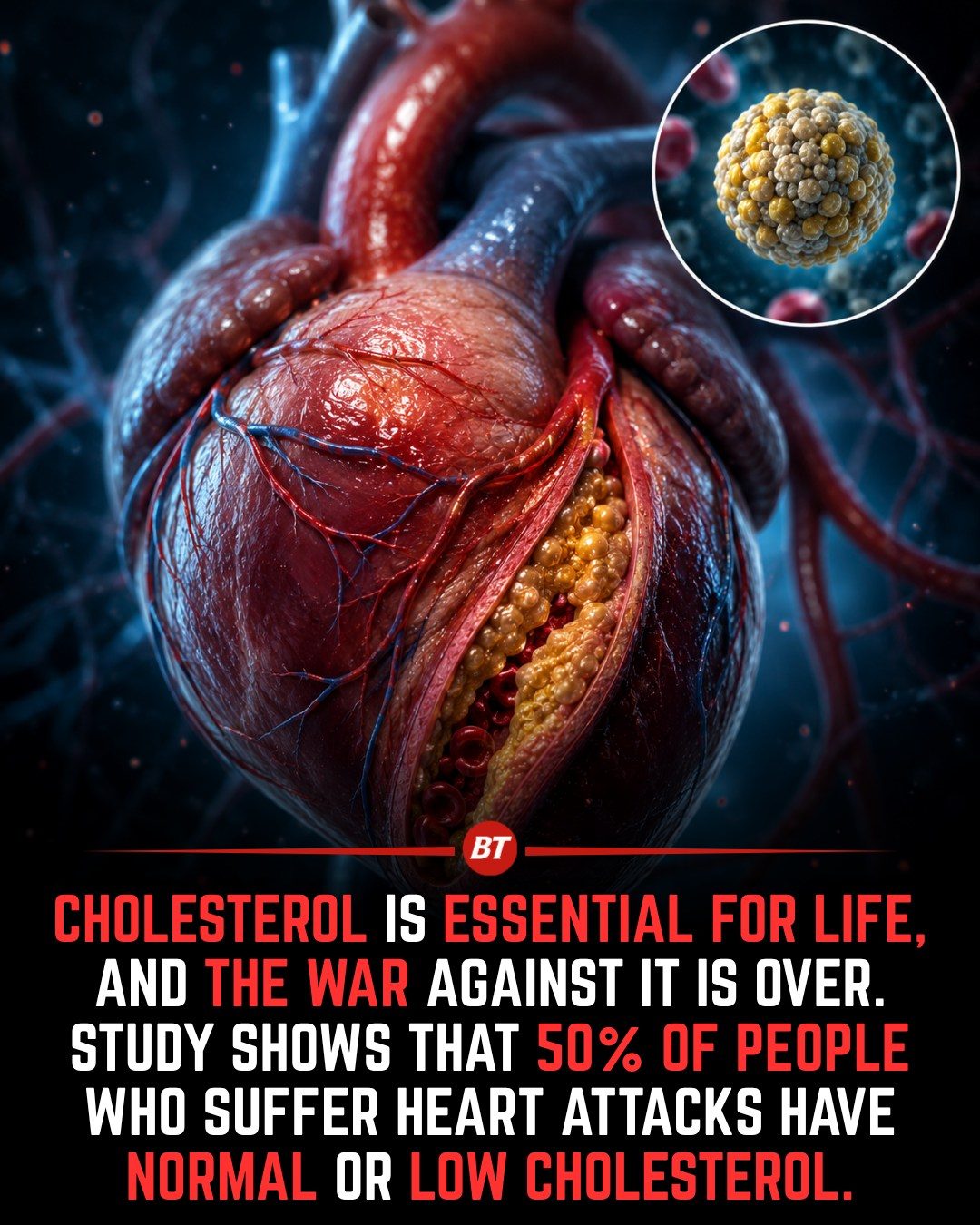
Cholesterol: Essential for Life and Heart Health
Cholesterol, often cast as a villain in discussions about heart health, is actually a vital molecule essential for life. Every cell in the body depends on it. Cholesterol is used to build cell membranes, manufacture vitamin D, produce bile acids for digesting fats, and create important hormones like testosterone, estrogen, and cortisol. Without it, many of the body's fundamental processes simply couldn't function.
Cholesterol has been one of the most misunderstood molecules in nutrition. While it's often portrayed as something the body should eliminate, the truth is that cholesterol is essential for life. Your body actually produces most of the cholesterol it needs.
Why This Matters
The traditional narrative around cholesterol and heart health has been oversimplified. Many people believe that lowering cholesterol levels is the key to preventing heart disease. However, research has shown that this is not the whole story. Heart disease is a complex condition influenced by multiple factors, including chronic inflammation, insulin resistance, high blood pressure, smoking, diabetes, genetics, and excess visceral fat. Cholesterol is just one piece of a much larger puzzle.
This misconception has led to a widespread "war" against cholesterol, but the tide is turning. Studies indicate that 50% of people who suffer heart attacks have normal or low cholesterol levels. This suggests that focusing solely on cholesterol levels may not be the most effective way to assess and manage heart disease risk.
Cholesterol's Role in the Body
Cholesterol serves several crucial functions in the body. It is a key component of cell membranes, helping to maintain their structure and fluidity. Cholesterol is also necessary for the production of vitamin D, which is essential for bone health and immune function. Additionally, it is used to make bile acids, which aid in the digestion of fats, and hormones that regulate various bodily processes.
There are two main types of cholesterol: low-density lipoprotein (LDL) and high-density lipoprotein (HDL). LDL cholesterol is often referred to as "bad" cholesterol because it can build up in the arteries and contribute to heart disease. HDL cholesterol, on the other hand, is known as "good" cholesterol because it helps remove excess cholesterol from the arteries and transports it back to the liver for processing.
The Complexity of Heart Disease
Heart disease is a multifaceted condition influenced by a variety of factors. While cholesterol levels are important, they are not the only determinant of heart health. Other key factors include chronic inflammation, insulin resistance, high blood pressure, smoking, diabetes, genetics, and excess visceral fat.
Cholesterol is just one piece of the puzzle. These factors often work together to increase the risk of heart disease. For example, chronic inflammation can damage the lining of the arteries, making it easier for cholesterol to build up and form plaques. Insulin resistance, a condition in which the body becomes less responsive to insulin, can also contribute to heart disease by increasing blood pressure and promoting the buildup of fat in the arteries.
Measurements of Heart Health
Scientists now recognize that cardiovascular risk is better understood by looking at the whole picture rather than relying on total cholesterol alone. Measurements such as LDL particle number, ApoB, HDL, triglycerides, blood pressure, blood sugar, and markers of metabolic health can provide a more complete assessment of heart disease risk.
One of the most important measurements is LDL particle number, which indicates the number of LDL particles in the blood. High levels of LDL particles can contribute to the buildup of plaque in the arteries, increasing the risk of heart disease. ApoB, another important marker, measures the number of particles in the blood that contain apolipoprotein B. High levels of ApoB are associated with an increased risk of heart disease.
HDL cholesterol, often referred to as "good" cholesterol, helps remove excess cholesterol from the arteries and transport it back to the liver for processing. Low levels of HDL cholesterol are associated with an increased risk of heart disease. Triglycerides, a type of fat found in the blood, can also contribute to heart disease risk when levels are high.
Blood pressure is another important marker of heart health. High blood pressure can damage the lining of the arteries, making it easier for cholesterol to build up and form plaques. Blood sugar levels are also important, as high levels of blood sugar can damage the lining of the arteries and contribute to the buildup of plaque.
Markers of metabolic health, such as insulin resistance and inflammation, can also provide important information about heart disease risk. Insulin resistance, a condition in which the body becomes less responsive to insulin, can contribute to heart disease by increasing blood pressure and promoting the buildup of fat in the arteries. Inflammation, a natural response to injury or infection, can also contribute to heart disease by damaging the lining of the arteries and promoting the buildup of plaque.
Practical Tips
Regular Exercise
Regular exercise is one of the most effective ways to support heart health. Aim for at least 30 minutes of moderate-intensity exercise most days of the week. This can include activities like brisk walking, cycling, swimming, or dancing.
Nutrient-Rich Diet
A nutrient-rich diet is essential for heart health. Focus on eating a variety of fruits, vegetables, whole grains, lean proteins, and healthy fats. Limit processed foods, sugars, and unhealthy fats.
Quality Sleep
Getting enough quality sleep is important for overall health, including heart health. Aim for 7-9 hours of sleep per night and establish a consistent sleep schedule.
Not Smoking
Smoking is a major risk factor for heart disease. If you smoke, quitting is one of the best things you can do for your heart health. There are many resources available to help you quit, including support groups, counseling, and medications.
Important Takeaways
Cholesterol is a vital substance essential for many of the body's fundamental processes. However, heart health is a complex issue influenced by many factors, not just cholesterol levels.
Instead of focusing on total cholesterol alone, consider your overall cardiovascular risk profile and the lifestyle habits that support long-term heart health. Regular exercise, a nutrient-rich diet, quality sleep, and not smoking are all important factors in maintaining heart health.
Heart disease is a multifaceted condition, and understanding the many factors that contribute to it is essential for effective prevention and management. By looking at the whole picture, you can better assess and manage your heart disease risk and take steps to support long-term heart health.
Conclusion
Cholesterol is essential for life, and the traditional war against it may be over. Heart disease is a complex condition influenced by many factors, and understanding these factors is essential for effective prevention and management. By focusing on overall cardiovascular health and adopting healthy lifestyle habits, you can support long-term heart health and reduce your risk of heart disease.
Watch the Reel
Questions readers ask
What are the key roles of cholesterol in the body?
Cholesterol is fundamental for several bodily functions. It is crucial for building and maintaining cell membranes and for producing vital hormones such as testosterone, estrogen, and cortisol. Additionally, it plays a role in the production of vitamin D and the digestion of fats through the creation of bile acids.
How does the body regulate its cholesterol levels?
The body produces most of the cholesterol it needs, with a smaller portion coming from dietary intake. The liver regulates cholesterol levels by producing and breaking down cholesterol, as well as balancing its production with the amount absorbed from food.
What are the recommended normal cholesterol levels?
Normal cholesterol levels are typically measured by looking at the levels of different types of lipoproteins, including LDL (low-density lipoprotein), HDL (high-density lipoprotein), and triglycerides. Generally, total cholesterol levels should be below 200 mg/dL, with LDL levels below 100 mg/dL, and HDL levels above 40 mg/dL for men and 50 mg/dL for women.
How does cholesterol impact heart health?
Cholesterol's relationship with heart health is complex. While high levels of LDL cholesterol can contribute to plaque buildup in arteries, which may increase the risk of heart disease, cholesterol is also essential for various bodily functions, including those that support heart health. A balanced approach to managing cholesterol levels is crucial for maintaining cardiovascular well-being.
What are some common myths about cholesterol?
One common myth is that all cholesterol is bad for you. In reality, the body needs cholesterol to function properly. Another misconception is that dietary cholesterol has a direct impact on blood cholesterol levels. While it can influence levels in some individuals, it is not the primary factor for most people, as the body tightly regulates its own cholesterol production.
Can cholesterol levels be influenced by lifestyle?
Yes, lifestyle factors such as diet, physical activity, and weight management can influence cholesterol levels. Eating a balanced diet, engaging in regular exercise, and maintaining a healthy weight can help support normal cholesterol levels and overall heart health. It is important to consult with a healthcare provider for personalized advice.
Recent articles
Fresh deep dives from the latest Reels we unpacked.




Comments
Be the first to comment.