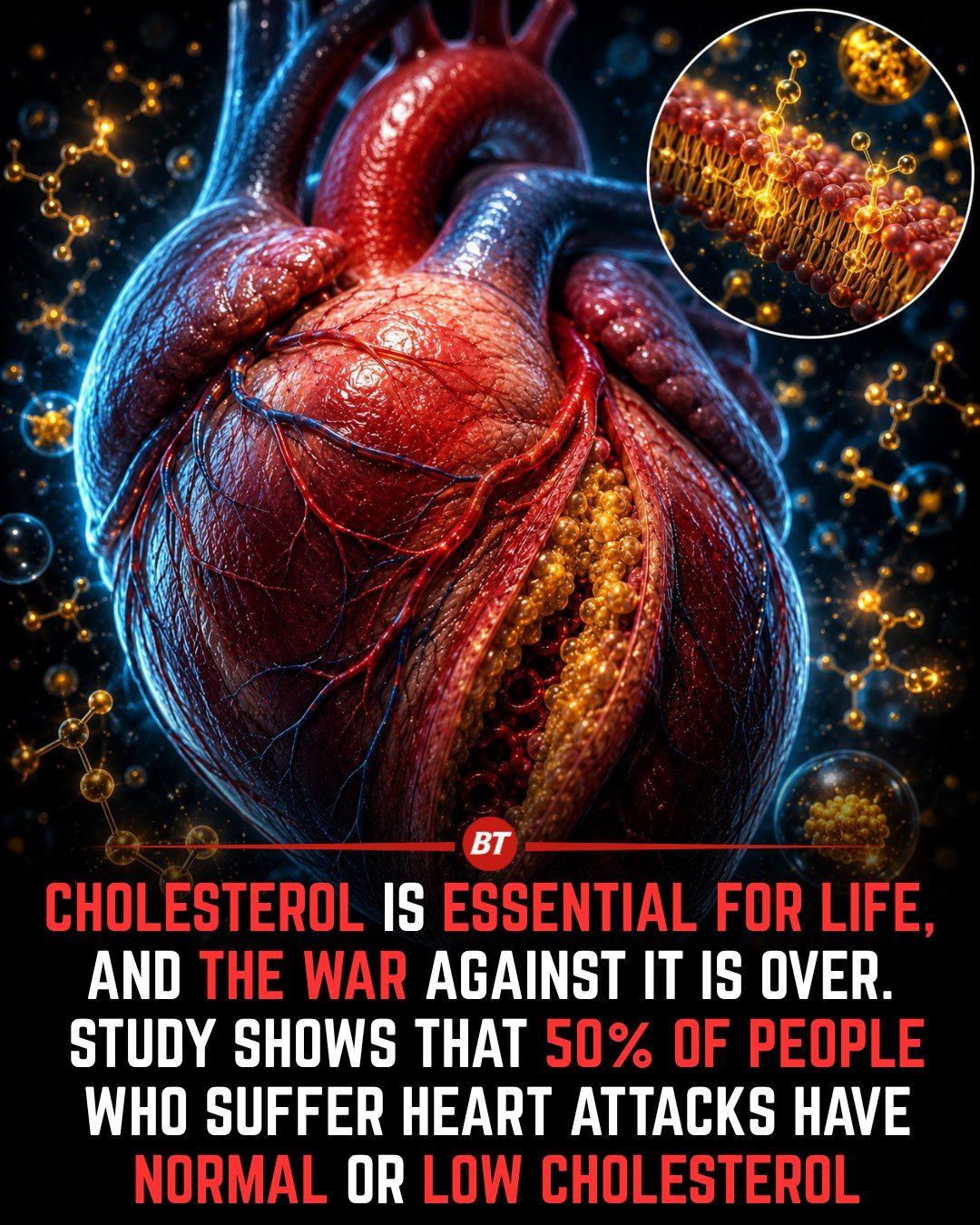
Cholesterol and Heart Attacks: Unraveling the Complex Story
Cholesterol has long been a focus of medical discussions, primarily due to its role in heart disease. However, the conventional wisdom of viewing cholesterol as a villain is being challenged. Cholesterol is essential for life, and understanding its multifaceted role is crucial for overall health.
The Role of Cholesterol in the Body
Cholesterol is a type of lipid that plays a vital role in various bodily functions. Every cell in your body relies on cholesterol to build strong cell membranes, produce hormones like testosterone and estrogen, make vitamin D, and create bile acids that help digest dietary fats. These functions underscore the importance of cholesterol in maintaining overall health. Without cholesterol, the body would struggle to perform these essential tasks, highlighting why cholesterol is a necessary component of life.
Cholesterol and Heart Disease: A Nuanced Perspective
The relationship between cholesterol and heart disease is more complex than often portrayed. While LDL (low-density lipoprotein) cholesterol, often referred to as "bad" cholesterol, contributes to the development of plaque inside arteries, it is not the sole determinant of heart health. Heart disease is influenced by a multitude of factors, including blood pressure, blood sugar levels, chronic inflammation, smoking, physical inactivity, obesity, genetics, and even a little-known inherited risk factor called lipoprotein(a).
Research published in the American Heart Journal shed light on this complexity. The study found that nearly half of patients hospitalized with coronary artery disease had LDL cholesterol levels that would traditionally be considered normal. This finding challenges the simplistic view that high cholesterol levels alone cause heart disease. Instead, it underscores a more nuanced reality where multiple factors interact to influence heart health.
Understanding Lipoprotein(a)
Lipoprotein(a) is an often-overlooked but significant risk factor for heart disease. It is an inherited condition that can elevate the risk of cardiovascular events. The presence of lipoprotein(a) means that cholesterol levels alone cannot predict heart disease risk. This highlights the importance of a comprehensive approach to heart health, considering not just cholesterol levels but also other metabolic and genetic factors.
The Multifactorial Nature of Heart Disease
Heart disease is a multifactorial condition, meaning it is influenced by various factors working together. Some of these factors include:
- Blood Pressure: High blood pressure forces the heart to work harder, increasing the risk of heart disease.
- Blood Sugar: Elevated blood sugar levels can damage blood vessels and nerves, contributing to heart disease.
- Chronic Inflammation: Persistent inflammation can damage arteries and promote plaque formation.
- Smoking: Smoking damages blood vessels and reduces oxygen supply to the heart.
- Physical Inactivity: Lack of exercise can lead to weight gain, elevated blood pressure, and other risk factors.
- Obesity: Excess weight strains the heart and contributes to other risk factors like high blood pressure and diabetes.
- Genetics: Family history of heart disease increases the risk of developing the condition.
Cholesterol and Heart Attacks: The Real Picture
The conventional narrative often focuses on cholesterol as the primary cause of heart attacks. However, studies show that 50% of people who suffer heart attacks have normal or low cholesterol levels. This statistic challenges the widespread demonization of cholesterol and suggests that a more comprehensive view of heart health is necessary. It underscores the importance of considering multiple factors rather than focusing solely on cholesterol levels.
Practical Tips for Heart Health
Maintaining heart health involves a holistic approach that addresses various risk factors. Here are some practical tips to support overall cardiovascular health:
Regular Exercise
Engage in regular physical activity to improve heart health, manage weight, and reduce the risk of heart disease. Aim for at least 150 minutes of moderate-intensity or 75 minutes of vigorous-intensity aerobic activity per week.
Balanced Diet
Consume a nutrient-rich diet that includes plenty of fruits, vegetables, whole grains, lean proteins, and healthy fats. Limit processed foods, sugars, and saturated fats to support heart health.
Quality Sleep
Prioritize quality sleep, as it is essential for overall health, including heart health. Aim for 7-9 hours of sleep per night to support your body's regenerative processes.
Stress Management
Manage stress through techniques like meditation, deep breathing, yoga, or other relaxation methods. Chronic stress can contribute to high blood pressure and other risk factors for heart disease.
Avoid Smoking
Quitting smoking is one of the most effective ways to reduce the risk of heart disease. Seek support if needed, as quitting can be challenging but is crucial for heart health.
Regular Check-ups
Regularly monitor your cardiovascular health with check-ups that include blood pressure, blood sugar, and cholesterol levels. Talk to your healthcare provider about your complete cardiovascular risk profile, including family history and other risk factors.
Important Takeaways
- Cholesterol is essential for life and plays a crucial role in various bodily functions.
- Heart disease is influenced by multiple factors, including blood pressure, blood sugar, chronic inflammation, smoking, physical inactivity, obesity, genetics, and lipoprotein(a).
- Nearly half of people who suffer heart attacks have normal or low cholesterol levels, highlighting the importance of a comprehensive approach to heart health.
- Maintaining overall metabolic health through diet, exercise, quality sleep, and stress management is crucial for heart health.
- Regular check-ups and a complete cardiovascular risk profile assessment are essential for monitoring and managing heart health.
Conclusion
Cholesterol is not the enemy it is often made out to be. Understanding its role in the body and the multifacetorial nature of heart disease is crucial for maintaining overall health. By adopting a holistic approach to heart health, including regular exercise, a balanced diet, quality sleep, stress management, and regular check-ups, you can support your cardiovascular system and reduce the risk of heart disease.
Watch the Reel
Questions readers ask
What are the primary functions of cholesterol in the body beyond heart health?
Cholesterol is crucial for building cell membranes, which protect cells and maintain their structure. It also plays a key role in hormone production, including testosterone and estrogen. Additionally, cholesterol is essential for creating vitamin D and bile acids, which aid in digesting dietary fats.
How does cholesterol contribute to heart disease prevention?
While high levels of LDL (low-density lipoprotein) cholesterol are linked to heart disease, it's important to note that cholesterol also plays a role in maintaining heart health. Cholesterol is a component of cell membranes in the heart, and it helps produce hormones that regulate blood pressure and other cardiovascular functions. Maintaining normal cholesterol levels, through diet and lifestyle, is key.
What are the high cholesterol risks beyond heart attacks?
High cholesterol levels can lead to issues beyond heart attacks, including increased blood pressure, stroke, and even impacts on metabolic health. Eating a diet high in cholesterol and sugar can lead to high cholesterol levels, which in turn can harm your cardiovascular system. It's important to maintain healthy cholesterol levels for overall health.
What is the relationship between cholesterol and blood pressure?
There is a intricate relationship between cholesterol and blood pressure. High levels of cholesterol, particularly LDL, can contribute to the buildup of plaque in arteries, leading to narrowed and hardened arteries, which in turn can increase blood pressure. Managing cholesterol levels through diet and lifestyle can help maintain healthy blood pressure levels.
How can I maintain healthy cholesterol levels to support overall health?
To maintain healthy cholesterol levels, focus on a balanced diet low in saturated fats and high in fruits, vegetables, and whole grains. Regular physical activity can also help. Avoiding tobacco and managing weight are also crucial steps in managing cholesterol. Always consult with a healthcare provider for personalized advice.
What are the normal cholesterol levels for adults?
Normal cholesterol levels vary, but generally, total cholesterol levels should be under 200 mg/dL. LDL cholesterol, often called 'bad' cholesterol, should be under 100 mg/dL. HDL cholesterol, or 'good' cholesterol, should be above 40 mg/dL for men and 50 mg/dL for women. Regular check-ups can help monitor these levels.
Related deep dives
Similar reads based on topic and creator.




Recent articles
Fresh deep dives from the latest Reels we unpacked.




Comments
Be the first to comment.