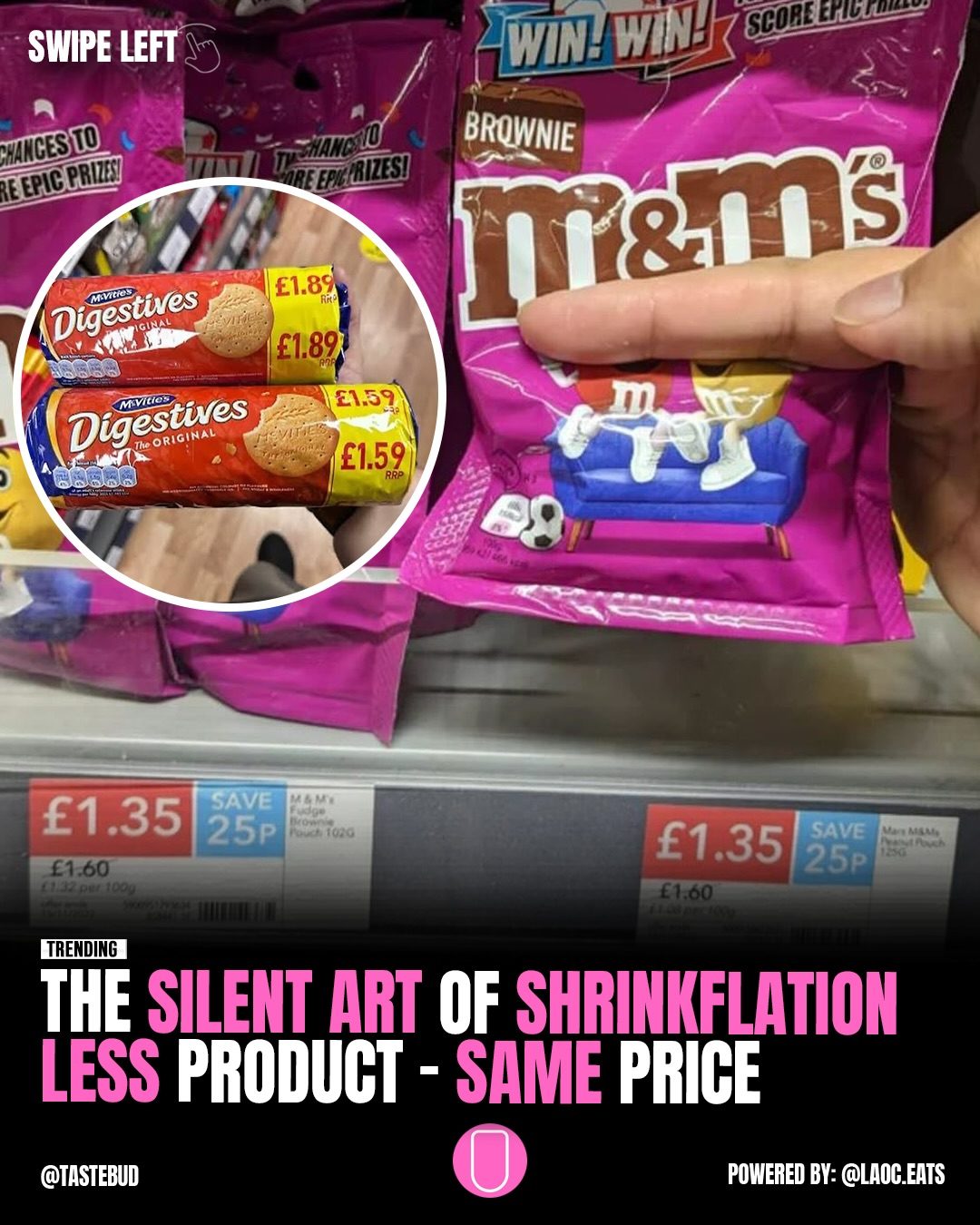
Shrinkflation of Chocolate Bars
Shrinkflation is a sneaky strategy that manufacturers use to raise prices without actually increasing the price tag. It’s when the size or quantity of a product decreases while the price remains the same or even goes up. This tactic has become more prevalent as companies grapple with rising production and supply costs. Chocolate bars are no exception to this trend.
Why This Matters
Understanding shrinkflation is crucial for consumers. It affects purchasing power and can lead to unintended financial impacts. Knowing how to recognize and react to shrinkflation can help you make more informed shopping decisions.
Main discussion
What Exactly Is Shrinkflation?
Shrinkflation involves reducing the amount of product in a package while keeping the price constant or even raising it. This subtle change often goes unnoticed by consumers because the packaging design remains the same. However, it can significantly impact the value you get for your money.
How It Affects Chocolate Bars
Several popular chocolate bars have undergone shrinkflation. For example, M&M’s pouches have been reduced in size, seemingly offering a price reduction while actually providing less product. This is a clear case of shrinkflation, where the manufacturer is trying to manage supply costs by reducing the amount of chocolate in each packet.
Other brands, such as Toblerone and Wispa, have also been affected. Manufacturers are reducing the size of their products while keeping the price the same. This allows them to maintain profit margins without directly increasing the price, which could deter price-sensitive consumers.
Examples of Shrinkflation
M&M’s
The iconic M&M’s pouches have been a prime example of shrinkflation. Initially priced at £1.89, the smaller packets now offer 25p off, but they contain less product. The packaging remains largely unchanged, making it hard for consumers to notice the difference at first glance.
Toblerone
Toblerone, known for its distinctive triangular shape, has also undergone significant changes. The number of triangular segments in each bar has been reduced, meaning you get less chocolate for the same price. This alteration might go unnoticed by casual shoppers, but it’s a clear example of shrinkflation.
Wispa
Wispa, another popular chocolate bar, has also succumbed to shrinkflation. The size of the bars has been discreetly reduced, and while the price remains the same, consumers are getting less chocolate with each purchase. This tactic allows the manufacturer to manage costs without alarming consumers with a direct price increase.
Why Do Manufacturers Use Shrinkflation?
There are several reasons why manufacturers opt for shrinkflation over a direct price increase:
- Cost Management: Rising production and supply costs necessitate cost-cutting measures. Shrinkflation allows manufacturers to reduce the amount of product, thus lowering production costs, without upsetting consumers with a price increase.
- Consumer Reaction: Direct price increases can lead to consumer backlash. By reducing the size of the product, manufacturers can avoid this reaction while still achieving the same financial outcome.
- Market Competition: In a competitive market, keeping the price point the same can be crucial. Shrinkflation allows manufacturers to stay competitive while managing internal costs.
- Packaging Consistency: Keeping the packaging design the same helps maintain brand recognition and reduces the need for costly redesigns.
Practical Tips
To avoid falling victim to shrinkflation, follow these practical tips:
1. Pay Attention to Weight
Always check the weight or volume of the product. Manufacturers are required to list the net weight on the packaging, so comparing this can help you spot shrinkflation.
2. Compare Prices
Compare the price per unit (e.g., price per ounce, gram, or piece) rather than the overall price. This will give you a clearer picture of what you are getting for your money.
3. Use Apps and Tools
There are various apps and online tools that can help you track prices and sizes of products over time. Using these can alert you to changes in the amount of product you are buying.
4. Buy in Bulk
If the product is something you use regularly, consider buying in bulk when you find a larger size at a reasonable price. This can save you money in the long run.
5. Be Aware of Marketing Tricks
Manufacturers often use clever marketing to make smaller sizes seem like a better deal. For example, they might emphasize the “now improved” recipe or highlight a minor change in the product’s appearance. Always read the fine print and compare the actual content.
Important Takeaways
Stay Informed
The first step in avoiding shrinkflation is staying informed. Be aware of the trend and know that it might affect your favorite products.
Check Labels
Always check the labels for the net weight or volume of the product. This is the most reliable way to gauge what you are getting for your money.
Make Informed Decisions
Consider the overall value of the product, not just the price. Sometimes, paying a bit more for a larger size or a higher-quality product can be a better investment.
Conclusion
Shrinkflation is a real and growing phenomenon in the chocolate bar industry. By understanding what it is and how it works, you can make more informed purchasing decisions. Paying attention to product sizes, comparing prices, and staying informed about industry trends can help you get the best value for your money.
Watch the Reel
Questions readers ask
What is shrinkflation and how does it work?
Shrinkflation is a strategy where product manufacturers decrease the quantity of a product in its packaging without lowering the price. This allows producers to raise the price per unit without explicitly increasing the price tag. For example, a chocolate bar may become smaller, but the price remains the same, effectively increasing the cost per ounce.
What are some examples of shrinkflation in chocolate bars?
A notable example of shrinkflation involves Toblerone, which altered the spacing between the triangles in its chocolate bars, effectively reducing the overall weight. Another example is the Wispa chocolate, which reduced the size of its bars while maintaining the same price, leaving consumers with less chocolate for the same amount of money.
How does shrinkflation impact consumers?
Shrinkflation impacts consumers by reducing the amount of product they receive for a given price, effectively decreasing their purchasing power. This can lead to unintended financial impacts, as consumers may not realize they are paying more per unit of product. It is essential for consumers to stay aware of these changes and compare products to make informed purchasing decisions.
Why is shrinkflation more common in today's market?
Shrinkflation has become more common due to rising production and supply costs. As these costs increase, companies often look for ways to maintain profit margins, and reducing the size of their products while keeping prices stable, or even increasing them, becomes an attractive option.
What is the difference between shrinkflation and inflation?
Inflation is a general increase in prices and fall in the purchasing value of money. Conversely, shrinkflation is a specific tactic where the size of a product is reduced without lowering the price. While both can impact consumer spending power, shrinkflation is more insidious as it is harder to detect than a straightforward price increase.
How can I spot shrinkflation when shopping for chocolate bars?
To spot shrinkflation, pay close attention to the weight or size of the chocolate bars you are purchasing. Check the packaging for any changes in the quantity of the product. Also, compare the price per ounce or gram of different sizes or brands to ensure you are getting the best deal. Additionally, look for any changes in the shape or design of the packaging.
Is shrinkflation a result of rising costs?
Yes, shrinkflation is often a direct result of rising costs in production and supply. When manufacturers face increased expenses for raw materials, labor, or transportation, they may choose to reduce the size of their products rather than raise prices, as this can help maintain brand loyalty and avoid direct consumer backlash. However, it still impacts consumers by reducing the overall value they receive.
Related deep dives
Similar reads based on topic and creator.



Recent articles
Fresh deep dives from the latest Reels we unpacked.




Comments
Be the first to comment.