Chipotle's Confidence in Raising Prices
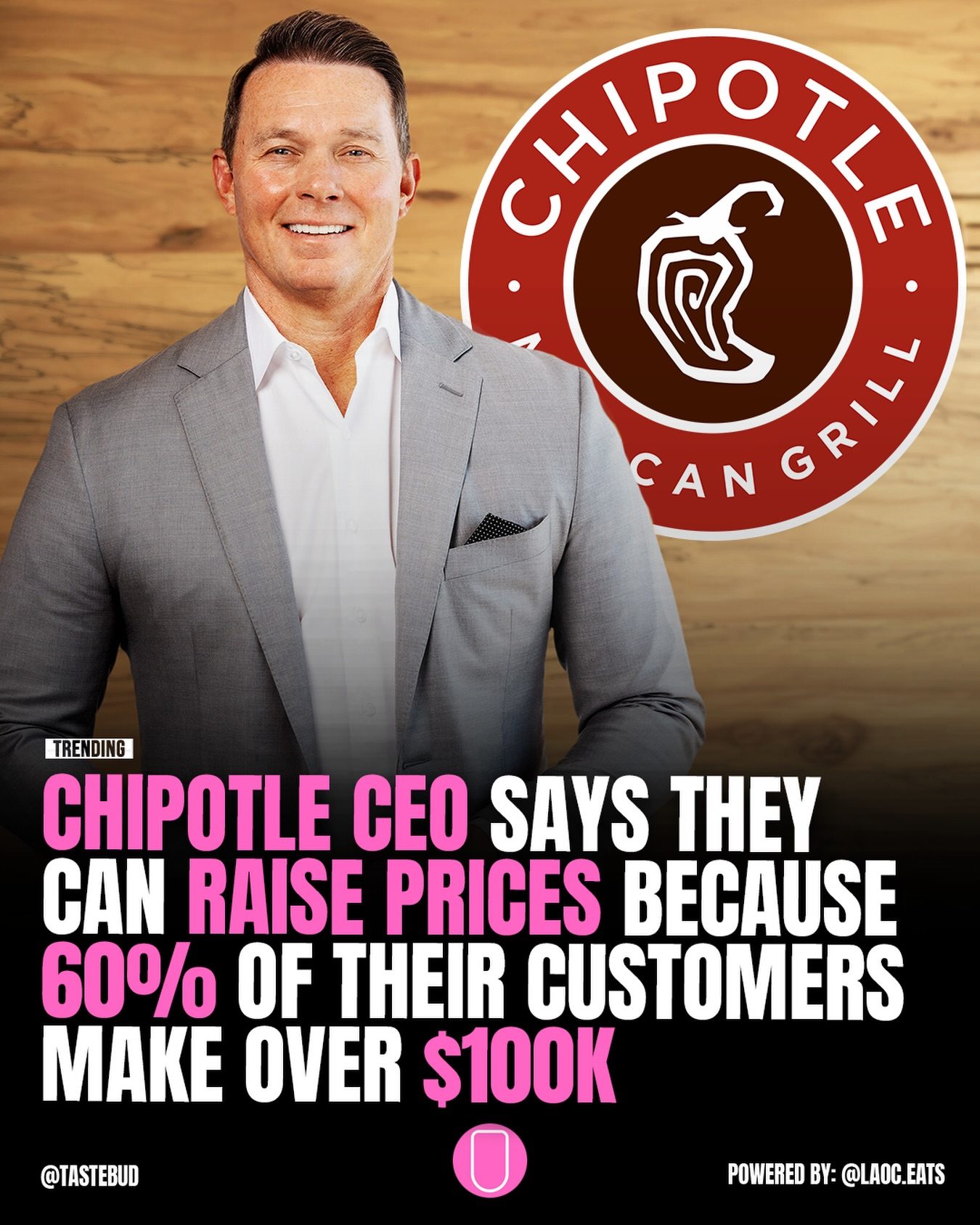
Chipotle, the popular fast-casual Mexican restaurant chain, recently made headlines when its CEO, Scott Boatwright, revealed that the majority of its customers earn over $100,000 annually. This revelation is significant because it underscores the company's strategy to increase prices without fearing a substantial drop in demand. Let's delve into the implications of this statement and what it means for the broader premium fast-casual dining sector.
Context / Why this matters
Chipotle's customer base primarily consists of individuals with higher disposable incomes. This demographic is generally less sensitive to moderate price increases compared to traditional fast-food customers. As a result, the company is confident that it can adjust its pricing strategy to account for inflationary pressures without significantly impacting customer loyalty. This approach reflects a broader trend among premium positioned chains, which rely on income data and customer behavior to inform their pricing decisions.
The fast-casual dining sector has been evolving rapidly, with many chains positioning themselves as premium options. Chains like Chipotle cater to customers who value higher-quality ingredients, customizable meals, and a more elevated dining experience. These customers are often more willing to pay a premium for these perceived benefits, making them less price-sensitive than the average fast-food customer.
Pricing Strategy and Customer Behavior
Understanding the Target Audience
Chipotle's core audience has a higher disposable income, which means they are more likely to absorb moderate price increases without significantly altering their dining habits. This demographic tends to prioritize quality and experience over cost, making them an attractive customer base for premium fast-casual chains.
Scott Boatwright's statement highlights the importance of understanding customer demographics and behavior. By knowing that roughly 60 percent of Chipotle's customers earn more than $100,000 annually, the company can make informed decisions about pricing strategy. This knowledge allows Chipotle to navigate inflationary periods more effectively, ensuring that price adjustments do not result in a significant drop in demand.
The Role of Income Data
Income data plays a crucial role in shaping pricing strategies for premium positioned chains. By analyzing customer income levels, these chains can anticipate how price changes will affect demand. In Chipotle's case, the data suggests that raising prices will not deter a significant portion of its customer base, as they are more focused on the overall dining experience rather than cost.
Balancing Quality and Cost
Chipotle's strategy of balancing quality and cost is a key factor in its pricing decisions. The chain offers high-quality ingredients and customizable meal options, which appeal to a higher-income demographic. This focus on quality allows Chipotle to justify price increases, as customers perceive the value they receive as commensurate with the cost.
Adapting to Inflation
Inflation is a common challenge for businesses across various sectors, and the fast-casual dining industry is no exception. Chains like Chipotle must adapt their pricing strategies to account for rising costs without alienating their customer base. By relying on income data and customer behavior, these chains can make informed decisions that balance profitability with customer satisfaction.
Practical Tips for Fast-Casual Restaurants
Conduct Thorough Market Research
Understanding your customer base is essential for making informed pricing decisions. Conduct thorough market research to gather data on customer demographics, income levels, and spending habits. This information will help you tailor your pricing strategy to meet the needs and expectations of your target audience.
Monitor Competitor Pricing
Stay informed about your competitors' pricing strategies to ensure that your own pricing remains competitive. Regularly monitor their price adjustments and customer responses to gain insights that can inform your own strategy.
Focus on Customer Experience
Creating a positive customer experience can justify price increases and reduce sensitivity to cost. Invest in high-quality ingredients and provide exceptional service to ensure that customers perceive the value they receive as worth the price they pay.
Communicate Price Changes Effectively
When implementing price changes, communicate them effectively to your customers. Explain the reasons behind the adjustments, such as rising ingredient costs or the introduction of new menu items, to build customer trust and understanding.
Important Takeaways
- Chipotle's customer base consists primarily of individuals with higher disposable incomes, making them less sensitive to price increases.
- Understanding customer demographics and behavior is crucial for making informed pricing decisions.
- Income data and customer behavior play a significant role in shaping pricing strategies for premium positioned chains.
- Fast-casual restaurants must adapt their pricing strategies to account for inflation while maintaining customer satisfaction.
- Premium fast-casual chains prioritize quality and experience over cost, making them less price-sensitive.
- Conducting thorough market research, monitoring competitor pricing, focusing on customer experience, and communicating price changes effectively are practical tips for navigating pricing challenges.
Conclusion
Chipotle's strategy of raising prices based on customer income data reflects a broader trend among premium positioned chains. By understanding their target audience and adapting to inflationary pressures, these chains can maintain profitability while delivering a high-quality dining experience. As the fast-casual dining sector continues to evolve, staying informed about customer behavior and market trends will be essential for success.
Watch the Reel
Questions readers ask
How does Chipotle's customer income demographics influence their pricing strategy?
Chipotle's understanding that most of its customers earn over $100,000 annually allows the company to implement price increases with less concern about losing customers. This is because higher-income individuals tend to be less price-sensitive.
What makes Chipotle's pricing strategy different from traditional fast-food chains?
Unlike traditional fast-food chains, Chipotle operates in the premium fast-casual dining sector. This positioning, along with its customer income demographics, enables Chipotle to raise prices more confidently.
Who is the CEO who shared insights on Chipotle's pricing strategy?
Scott Boatwright, Chipotle's CEO, recently revealed that the majority of its customers earn over $100,000 annually, which informs the company's confident approach to raising prices.
How do income levels affect customer sensitivity to price increases?
Customers with higher incomes, like those who frequent Chipotle, tend to be less sensitive to price increases. This is because even modest price hikes have a smaller impact on their overall spending.
What does Chipotle's pricing strategy indicate about the broader premium fast-casual dining sector?
Chipotle's approach to pricing reflects a broader trend in the premium fast-casual dining sector, where customers with higher disposable incomes are more tolerant of price increases.
How does Chipotle's customer base influence their revenue strategy?
Chipotle's customer base, which primarily consists of individuals with higher disposable incomes, allows the company to implement a revenue strategy that includes price increases without significantly impacting demand.
What trends in fast casual dining prices can we expect based on Chipotle's strategy?
Based on Chipotle's strategy, we can expect to see continued price increases in the fast casual dining sector, particularly among premium chains that cater to higher-income customers.
Related deep dives
Similar reads based on topic and creator.



Recent articles
Fresh deep dives from the latest Reels we unpacked.




Comments
Be the first to comment.