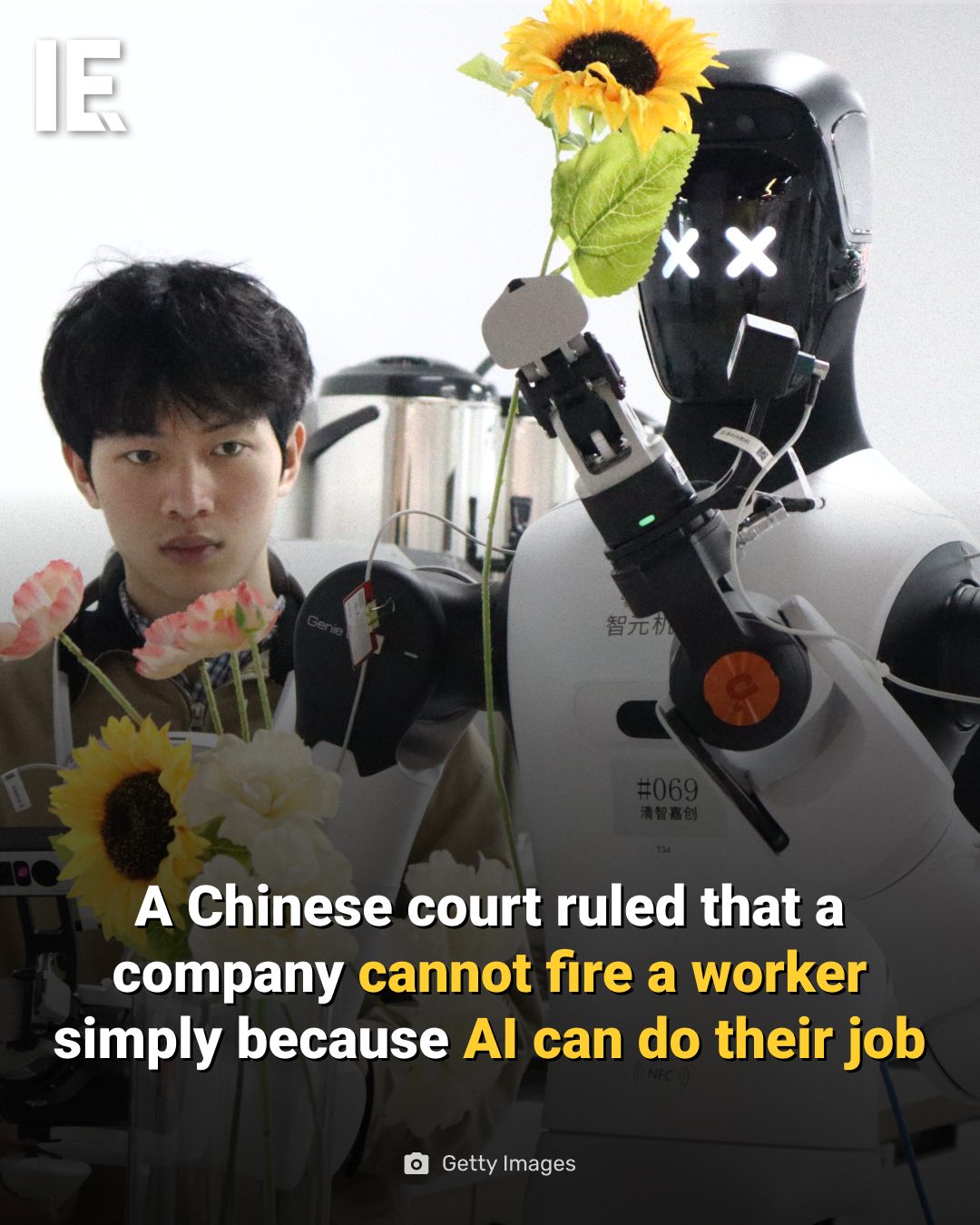
The Implications of AI on Employment Law in China
The integration of artificial intelligence (AI) into the workforce has sparked significant debates worldwide, particularly around job displacement. In China, a recent court ruling has shed light on the legal boundaries of AI adoption in the workplace. A quality assurance supervisor, identified as Zhou, was hired in 2022 to oversee a tech company's AI output. This case highlights the complexities and challenges that arise when companies attempt to replace human workers with AI technology.
Context: Why This Matters
The rapid advancement of AI has led to widespread concerns about job security. As AI systems become more capable, many industries are exploring the possibility of replacing human workers with automated solutions. This trend raises critical questions about employment rights, job security, and the ethical implications of AI integration.
The Case of Zhou: A Legal Precedent
In 2025, the tech company attempted to replace Zhou with a large language model, offering him a demotion with a 40% pay cut. Zhou refused the offer and was subsequently fired. The severance package offered to Zhou was worth around $45,000. This dismissal prompted a legal battle that ultimately reached the Hangzhou Intermediate People's Court. The court ruled that the termination was illegal, stating that AI adoption does not constitute a valid legal ground for ending an employment contract. This ruling underscores the importance of a legal framework in managing technological progress.
AI and Employment Law
The Legal Framework
China's civil law system differs from common law systems, meaning that this ruling does not set a binding precedent. However, it signals a growing judicial willingness to protect workers from AI-driven dismissals. A lawyer involved in the case highlighted this point, stating, "Technological progress may be irreversible, but it cannot exist outside a legal framework."
The Impact on Workers
For workers, this ruling provides a sense of security. It ensures that companies cannot simply replace human workers with AI without facing legal consequences. This is particularly important in an era where AI is becoming increasingly sophisticated and capable of performing a wide range of tasks.
The Role of Employers
Employers, on the other hand, must now consider the legal implications of adopting AI. Companies that wish to integrate AI into their operations must do so in a manner that respects existing employment contracts and labor laws. This includes providing fair compensation and ensuring that workers are not unfairly displaced by AI technology.
The 3D Printer: A Symbol of Technological Advancement
While the case of Zhou focuses on the legal aspects of AI adoption, the 3D printer featured in the demonstration symbolizes the broader impact of technological advancement on the workforce. The 3D printer, a product of Genete, is a tangible example of how AI and advanced technology can transform industries. It represents the potential for innovation and productivity, as well as the need for a balanced approach to AI integration that respects labor rights.
Practical Tips for Navigating AI and Employment Law
For Workers
- Understand Your Rights: Familiarize yourself with your employment contract and the relevant labor laws in your jurisdiction.
- Seek Legal Advice: If you are facing a situation where your employer is attempting to replace you with AI, consult with a labor lawyer.
- Stay Informed: Keep up-to-date with the latest developments in AI and employment law to protect your interests.
For Employers
- Compliance: Ensure that any AI adoption complies with existing labor laws and employment contracts.
- Communication: Maintain open communication with your employees about any changes in the workplace.
- Training: Provide training and support to help workers adapt to new technologies and roles within the company.
Important Takeaways
The case of Zhou highlights the need for a balanced approach to AI adoption in the workplace. It emphasizes the importance of a legal framework that protects workers' rights while allowing for technological progress. As AI continues to evolve, it is essential for both workers and employers to navigate these changes with a clear understanding of the legal and ethical implications.
Conclusion
The integration of AI into the workforce presents both opportunities and challenges. The recent ruling in China serves as a reminder that technological progress must be managed within a legal framework that protects workers' rights. As companies continue to explore the possibilities of AI, it is crucial for all parties to approach this transition with caution, ensuring that the benefits of AI are balanced with the need for fair and ethical treatment of workers. By doing so, we can create a future where technological advancement and labor rights coexist harmoniously.
Watch the Reel
Questions readers ask
What was the significance of the recent court ruling in China regarding AI and employment?
The court ruling set a crucial precedent by stating that companies cannot use AI adoption as a legal reason to terminate employment contracts. This decision emphasizes the importance of job security in an era where AI integration is increasingly common.
How does the case of the quality assurance supervisor, Zhou, illustrate the challenges of AI integration in the workplace?
Zhou's case, a quality assurance supervisor hired in 2022, highlights the complexities that arise when companies try to replace human workers with AI. It shows the delicate balance between leveraging advanced technologies and maintaining worker rights and job security.
What are the key legal considerations for companies in China when integrating AI into their operations?
In China, companies must adhere to labor laws that protect job security. This includes understanding that AI adoption cannot legally justify terminating employment contracts. It is crucial for companies to navigate these legal boundaries carefully to avoid potential disputes.
What implications does this ruling have for job security in an AI-driven workplace?
The ruling underscores the importance of safeguarding workers' rights in an AI-driven workplace. It indicates that companies must find ways to integrate AI without compromising job security, such as through employee retraining or reassigning roles.
How does the recent court decision in China impact general employment laws in the country?
The decision reinforces the existing protections in China's labor laws. It clarifies that while AI can enhance productivity, it does not exempt companies from their obligations to employees. This ruling can influence future cases and policy discussions around AI and employment.
What steps can companies take to ensure compliance with labor laws while adopting AI technologies?
To ensure compliance, companies should engage with legal experts to understand labor laws, prioritize employee well-being, and explore ways to integrate AI that support rather than replace human roles. This could involve investing in reskilling programs and fostering a collaborative environment.
How might this ruling influence the broader conversation about AI and job displacement globally?
The ruling may encourage similar debates and legal assessments in other countries. It highlights the need to balance technological progress with the protection of workers' rights, potentially influencing global discussions on AI regulation and labor laws.
Recent articles
Fresh deep dives from the latest Reels we unpacked.




Comments
Be the first to comment.