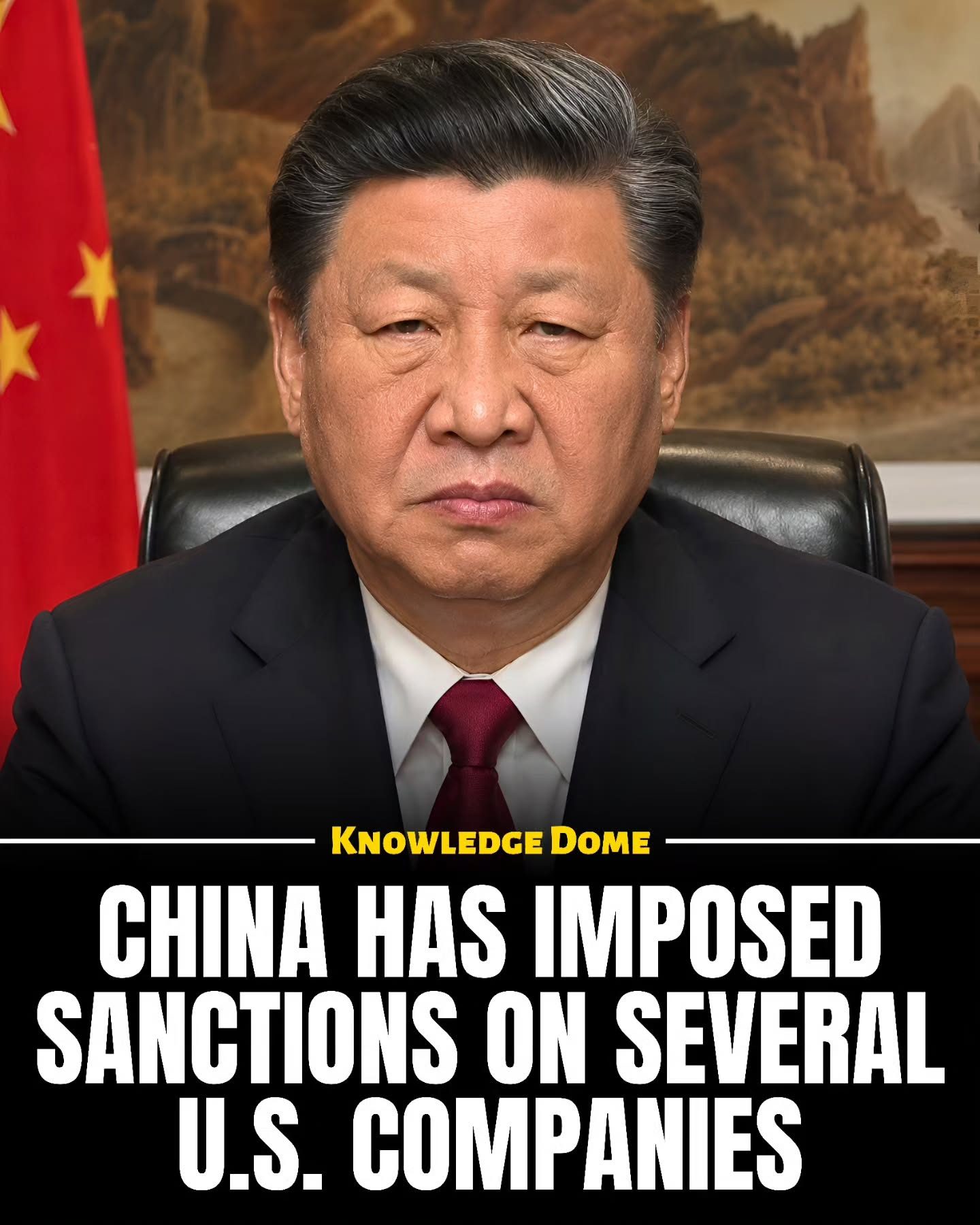
China's New Trade Restrictions on U.S. Companies
China has implemented new trade restrictions and limits on several U.S. companies, escalating tensions between the two superpowers. These measures, which target various sectors including defense, aerospace, drones, robotics, and rare earth mining, mark a significant shift in the economic and political landscape. Understanding the implications and the broader context of these actions is crucial for anyone involved in international trade or geopolitics.
Why This Matters
The recent imposition of restrictions is a response to the United States adding new Chinese firms to its blacklist. This move underscores the deepening rift between the two countries, particularly in areas like trade, defense, and technology. Both nations are leveraging business and trade as tools to exert pressure on each other, making it essential to grasp the nuances of these developments.
Main Discussion
The New Restrictions
China’s Commerce Ministry announced that it would halt the export of dual-use goods to 10 American companies. Dual-use goods are items that can serve both civilian and military purposes. The targeted companies operate in fields such as defense, aerospace, drones, robotics, and rare earth mining. Some of the notable companies affected include MP Materials, USA Rare Earth, Teal Drones, Jaia Robotics, Aveox, Ball Aerospace, and Oshkosh Defense. These restrictions are designed to limit the access of these companies to critical components and technologies, potentially hampering their operations and innovation.
Banning U.S. Companies from Government Contracts
In addition to the export restrictions, China has also banned 46 U.S. companies from participating in Chinese government buying projects. Many of these companies are defense contractors, including Lockheed Martin, Raytheon Missiles and Defense, Boeing Defense, and General Dynamics Land Systems. This ban effectively shuts these companies out of a substantial market, potentially leading to financial losses and supply chain disruptions.
The Role of Retaliation
The recent actions by China are seen as retaliation for the United States adding Chinese companies such as Alibaba, Baidu, and BYD to the Pentagon’s list of military-linked firms. This list, known as the "Entities List," restricts the ability of these companies to acquire technology and materials from the U.S. This back-and-forth between the two nations highlights the escalating trade war and the increasing use of economic measures as political tools.
Implications for Foreign-Funded Businesses
While the restrictions are broad, some reports suggest that there are exceptions for certain foreign-funded businesses operating in China. This indicates that China might be open to negotiations or targeted exemptions for companies that are crucial to its economy or have significant foreign investment. Understanding these nuances can help businesses navigate the complexities of operating in such a volatile environment.
Impact on Defense and Aerospace
The defense and aerospace sectors are particularly affected by these restrictions. Many of the targeted companies produce critical components and technologies for military and aerospace applications. The ban on participating in Chinese government buying projects will have a profound impact on companies like Lockheed Martin and Boeing, which rely heavily on government contracts for their revenue. This shift could force these companies to rethink their supply chains and seek alternative markets or solutions.
Practical Tips
For companies operating in the affected sectors, it is crucial to stay informed about the evolving trade policies and their implications. Here are some practical steps to consider:
- Diversify Supply Chains: Companies should explore alternative suppliers and markets to mitigate the risk of disruptions. Diversifying supply chains can help ensure continuity of operations and reduce dependence on any single market.
- Stay Informed: Keeping up-to-date with the latest developments in trade policies and regulations is essential. This includes monitoring official announcements, industry reports, and expert analysis.
- Engage with Stakeholders: Engaging with regulatory bodies, industry associations, and other stakeholders can provide valuable insights and help navigate the complexities of trade restrictions.
- Seek Legal Advice: Consulting with legal experts specializing in international trade can provide guidance on compliance, regulatory issues, and potential exemptions.
Mitigation Strategies
In light of these restrictions, companies should focus on mitigation strategies that can minimize the impact on their operations. This includes:
Exploring Alternative Markets: Companies should consider exploring new markets and partnerships that are less affected by the current trade tensions. This can help diversify revenue streams and reduce dependence on any single market.
Innovation and Research: Investing in research and development can help companies stay ahead of the competition and develop new technologies that are less reliant on restricted components. This can also open up new opportunities and markets.
Collaboration and Partnerships: Collaborating with other companies, both domestically and internationally, can help share the burden of compliance and innovation. Partnerships can also provide access to new technologies, markets, and expertise.
Important Takeaways
- China’s new trade restrictions target key U.S. companies in defense, aerospace, drones, robotics, and rare earth mining, imposing significant limitations on their operations.
- The United States' addition of Chinese companies to its blacklist has prompted retaliatory measures from China, underscoring the deepening economic and political tensions.
- Companies affected by these restrictions should consider diversifying their supply chains, staying informed, and seeking legal advice to navigate the complexities of the current trade environment.
- The defense and aerospace sectors are particularly impacted, with major defense contractors facing significant challenges in accessing Chinese markets and resources.
Conclusion
The recent trade restrictions imposed by China on U.S. companies highlight the escalating tensions between the two nations. These measures, targeting various sectors including defense, aerospace, drones, robotics, and rare earth mining, represent a significant shift in the global trade landscape. Companies in affected industries must stay informed, adapt their strategies, and explore alternative markets to mitigate the impact of these restrictions. The importance of diversification, innovation, and collaboration cannot be overstated in this constantly evolving geopolitical environment.
Watch the Reel
Questions readers ask
Which sectors are primarily targeted by China's new trade restrictions on U.S. companies?
China's new trade restrictions primarily target sectors such as defense, aerospace, drones, robotics, and rare earth mining. These sectors are significant as they are key areas of technological advancement and national security for both countries. This means that companies in these fields should be prepared for increased scrutiny and potential trade barriers.
What prompted China to impose these trade restrictions on the U.S.?
China's imposition of trade restrictions is a direct response to the U.S. blacklisting several Chinese companies. This tit-for-tat approach highlights the deepening rift and the use of trade as a geopolitical tool by both nations.
How do these restrictions impact U.S. companies?
The restrictions impact U.S. companies by limiting their ability to operate in China, including difficulties in obtaining permits, accessing supplies, and selling products. This can lead to significant financial losses and operational challenges, especially for companies in the targeted sectors.
What role do rare earth metals play in this trade conflict?
Rare earth metals are crucial for manufacturing high-tech products, including defense, aerospace and robotics components. China's restrictions on U.S. access to these metals are a strategic move, aiming to leverage its dominance in this sector to gain an advantage in the trade war.
How might these trade restrictions affect global markets?
The trade restrictions between the U.S. and China can lead to supply chain disruptions, increased costs for consumers, and shifts in global trade dynamics. They can also result in increased investment in domestic industries, as well as innovation in alternative technologies.
What are the broader implications of these trade actions on U.S.-China relations?
These trade actions exacerbate the broader tensions between the U.S. and China, extending beyond economics to encompass political and technological competition. This confrontation can influence global alliances, international trade rules, and the balance of geopolitical power.
What steps can U.S. companies take to mitigate the impact of these restrictions?
U.S. companies can take several steps to mitigate the impact of these restrictions, including diversifying their supply chains to reduce reliance on China, seeking alternative markets, and engaging in proactive lobbying and advocacy efforts. Companies should also stay informed about policy changes and consider legal and regulatory strategies.
Recent articles
Fresh deep dives from the latest Reels we unpacked.




Comments
Be the first to comment.