The Long March 10B and the Rise of Reusable Rockets
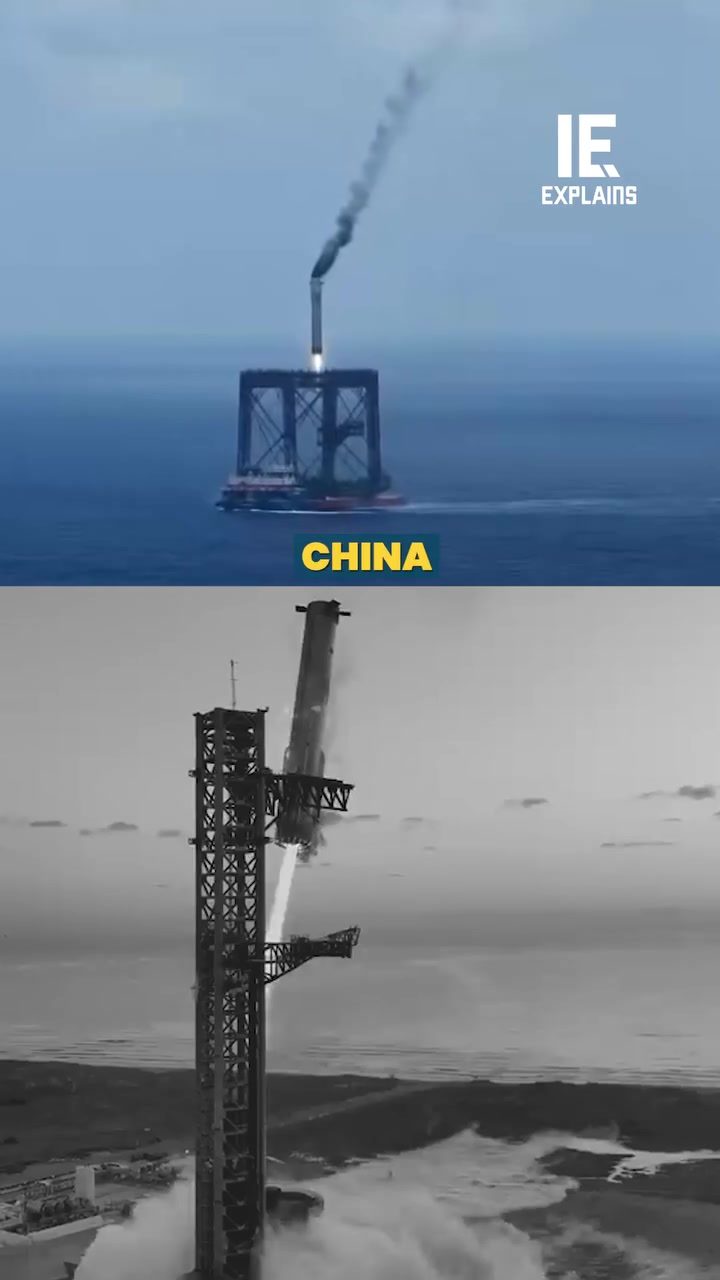
The Long March 10B rocket has marked a significant milestone in space exploration. On July 10, 2026, China successfully launched the Long March 10B on its maiden flight from Hainan Island, delivering a satellite into orbit and recovering the first stage booster using a unique net-and-cable system on a recovery ship at sea. This accomplishment makes China the second country, after SpaceX, to achieve the recovery of an orbital-class rocket booster.
Why This Matters
The race for reusable rockets is driven by the significant cost savings and operational efficiencies that reusability brings to space launches. The first stage of a rocket is typically the most expensive part, and traditionally, these stages have been discarded after a single use. Reusable rockets, however, can be refueled and relaunched, drastically reducing the cost per launch.
The Long March 10B: Design and Capabilities
The Long March 10B stands at an impressive 63 meters tall and is powered by kerosene through seven first-stage engines. It can carry 16 tons to low Earth orbit in reusable mode. This capability positions the Long March 10B as a formidable competitor in the global launch market.
Recovery Method and Overview
China's approach to booster recovery stands out from SpaceX's vertical landing method. The Long March 10B deployed a hook mechanism that was caught by a net of tensioned cables on the special recovery ship, the Linghangje. This method, a world first, showcases China's innovative engineering and commitment to advancing space technology. China plans to refly the recovered booster by the end of the year, demonstrating the rocket's reusability.
The Economic Advantage of Reusability
SpaceX has proven the economic viability of reusable rockets. Its Falcon 9 boosters have landed more than 600 times, with one booster setting a record by flying 36 missions. This reusability allows SpaceX to undercut competitors and dominate the global launch market. The ability to launch quickly and cheaply is a strategic advantage that enhances national security capabilities and supports large-scale space infrastructure projects. This is a crucial factor in China's space program, as the Long March 10 is part of the rocket family planned for use in landing astronauts on the moon by 2030. Reusable rockets are essential for sustaining long-term space missions and achieving ambitious space exploration goals.
The Global Race for Space Dominance
The competition in the space industry is not just about economic benefits; it’s about who controls access to space. Reusable rockets are key to achieving rapid and cost-effective launches, which are critical for both scientific research and national security.
The Future of Reusable Rockets
Reusable rockets are transforming the space industry. Their ability to launch quickly and cost-effectively is essential for sustaining long-term space missions and achieving ambitious space exploration goals.
Practical Tips
To understand the significance of reusable rockets, consider these points:
- Cost Savings: Reusable rockets dramatically reduce the cost of space launches by eliminating the need to build new boosters for each mission.
- Operational Efficiency: The ability to refuel and relaunch rockets quickly enhances operational efficiency, allowing for more frequent missions.
- Environmental Impact: Reusable rockets can reduce the environmental impact of space launches by minimizing the waste generated from discarded rocket stages.
Important Takeaways
- Economic Viability: The cost savings from reusability make it a game-changer in the space industry.
- Operational Efficiency: Reusable rockets can be launched and recovered quickly, allowing for more frequent missions.
- National Security: The ability to launch quickly and cost-effectively is crucial for maintaining national security capabilities in space.
- Future Missions: Reusable rockets are essential for sustaining long-term space missions and achieving ambitious exploration goals.
Conclusion
The Long March 10B's successful maiden flight and recovery mark a significant step forward in space exploration. As countries compete for dominance in space, reusable rockets will play a critical role in advancing scientific research, enhancing national security, and achieving ambitious exploration goals. The economic and operational advantages of reusable rockets make them a key factor in the future of space travel and exploration.
Watch the Reel
Questions readers ask
What makes the Long March 10B rocket significant in space technology?
The Long March 10B rocket is notable for being China's first orbital-class rocket to successfully recover its first stage booster using a net-and-cable system at sea, marking a significant advancement in space technology and making China the second country to achieve this.
What is the net-and-cable recovery system used by the Long March 10B?
The net-and-cable recovery system is an innovative method used by the Long March 10B to capture and recover its first stage booster at sea. This system involves a large net and cables to safely retrieve the booster after launch.
Why is the recovery of the first stage booster important?
Recovering the first stage booster is crucial because it is the most expensive part of the rocket. By reusing it, launch costs can be significantly reduced, making space missions more affordable and frequent.
How does the Long March 10B compare to SpaceX's reusable rockets?
The Long March 10B is China's entry into the reusable rocket arena, following SpaceX's lead. While SpaceX uses drones ships for landing boosters, the Long March 10B uses a net-and-cable system, demonstrating China's unique approach to this technology.
What are the benefits of reusable rocket technology?
Reusable rocket technology offers substantial benefits, including reduced launch costs, increased operational efficiency, and the potential for more frequent space missions. This can lead to advancements in various space-related fields and make space more accessible.
What does the successful launch of the Long March 10B mean for China's space program?
The successful launch and booster recovery of the Long March 10B signal a significant step forward for China's space program, showcasing its technological prowess and commitment to innovation. It also intensifies global competition in the space industry, particularly in reusable rocket technology.
What challenges might China face in further developing its reusable rocket technology?
China may face challenges such as ensuring the reliability and durability of the net-and-cable recovery system, optimizing the reusability of the booster, and maintaining cost-effectiveness. However, the successful launch of the Long March 10B indicates a strong foundation for future developments.
Related deep dives
Similar reads based on topic and creator.

Recent articles
Fresh deep dives from the latest Reels we unpacked.




Comments
Be the first to comment.