High-Speed Railway Engineering in China
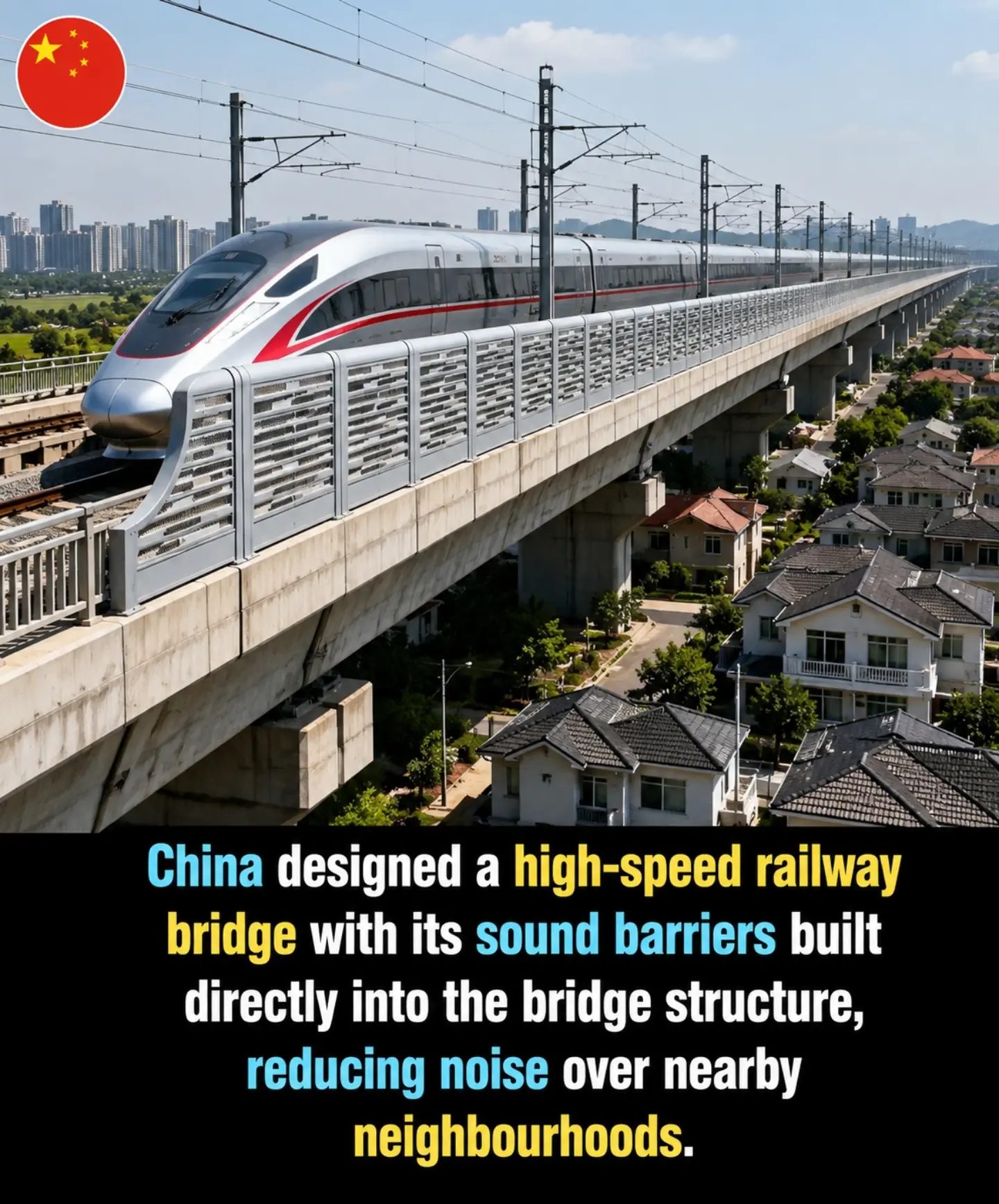
High-speed railway bridges in China are a testament to modern engineering, blending speed and sustainability. The innovative design incorporates sound barriers directly into the bridge structure to minimize noise pollution in residential areas. Let’s delve into the engineering marvels behind these railway bridges and their impact on urban development.
Context / Why this matters
High-speed railways are pivotal for connecting urban centers efficiently. They significantly reduce travel time, enhance connectivity, and foster economic growth. The integration of sound barriers in these bridges showcases China's commitment to sustainable infrastructure, addressing the environmental concerns of nearby residents. This engineering feat not only ensures smooth and rapid transit but also maintains the quality of life for communities along the railway routes.
Main discussion
Innovative Design and Engineering
China has implemented cutting-edge engineering solutions in its high-speed railway bridges. The unique design features sound barriers integrated into the bridge structure, which helps minimize noise pollution. These bridges are a marvel of modern engineering, combining functionality with environmental considerations.
Bridge Design
The sound barriers are meticulously designed to block noise while maintaining the structural integrity of the bridge. This design element is crucial in densely populated areas, where noise pollution can be a significant issue. The barriers are built directly into the bridge, ensuring they do not add unnecessary weight or compromise the bridge's stability.
Material Selection
The materials used in constructing these bridges are selected for their durability and sound-insulating properties. High-grade steel and composite materials are often used to ensure the bridges can withstand extreme weather conditions and heavy loads.
Environmental Impact
Noise Reduction
The primary benefit of these sound barriers is the reduction of noise pollution. High-speed trains generate significant noise, which can be disruptive to nearby residential areas. By incorporating sound barriers directly into the bridge design, the noise levels are considerably reduced, providing a more peaceful environment for residents.
Sustainable Development
China’s approach to high-speed railway engineering reflects a broader commitment to sustainable development. The integration of sound barriers is just one aspect of a larger strategy to minimize the environmental impact of infrastructure projects. This holistic approach ensures that economic growth does not come at the cost of environmental degradation.
Practical tips
For Engineers and Urban Planners
- Consider Noise Pollution Early in the Design Phase: Incorporating sound barriers from the early stages of planning can prevent costly retrofitting later.
- Use Durable and Sound-Insulating Materials: Opt for materials that offer both structural strength and sound insulation for optimal performance.
- Community Engagement: Involve local communities in the planning process to address their concerns and ensure the project's success.
For Residents
- Stay Informed: Keep abreast of new infrastructure projects in your area and understand how they might affect your daily life.
- Provide Feedback: Participate in public consultations and provide feedback on proposed designs and measures.
- Know Your Rights: Understand your rights regarding noise pollution and environmental quality to advocate for your community effectively.
Important takeaways
- Innovative Design: China’s high-speed railway bridges showcase innovative engineering solutions that minimize noise pollution.
- Environmental Benefits: The sound barriers integrated into the bridge structures help reduce noise, benefiting nearby residential areas.
- Sustainable Development: This approach reflects a broader commitment to sustainable infrastructure, balancing economic growth with environmental considerations.
Conclusion
High-speed railway engineering in China represents a confluence of innovation and sustainability. The integration of sound barriers into bridge structures is a forward-thinking solution that addresses the environmental concerns of nearby residents. As urbanization continues to grow, such engineering marvels serve as a model for sustainable development, ensuring that progress does not come at the cost of quality of life. Embracing these innovative solutions can pave the way for a future where high-speed connectivity and environmental sustainability coexist harmoniously.
Watch the Reel
Questions readers ask
How do China's high-speed railway bridges address noise pollution issues?
China's high-speed railway bridges incorporate sound barriers directly into their design, which helps to minimize noise pollution in nearby residential areas. This integration not only reduces the noise levels experienced by residents but also maintains the structural integrity of the bridges.
What are the benefits of integrating sound barriers into railway bridges?
Integrating sound barriers into railway bridges offers multiple benefits, including reduced noise pollution for nearby residents, enhanced structural stability, and improved urban connectivity. This design approach also demonstrates China's commitment to sustainable infrastructure.
How do these innovative bridges impact nearby communities?
These innovative bridges significantly improve the quality of life for communities along railway routes by reducing noise pollution. They also enhance urban connectivity, fostering economic growth and making travel more efficient.
What makes China's high-speed railway bridges unique in terms of design?
China's high-speed railway bridges are unique because they seamlessly integrate sound barriers into their structure. This design not only addresses noise pollution but also showcases advanced engineering techniques that prioritize sustainability and structural integrity.
How do these bridges contribute to sustainable infrastructure in China?
By incorporating sound barriers directly into the bridge structure, these high-speed railway bridges reduce noise pollution without compromising structural integrity. This approach aligns with China's goals for sustainable infrastructure, ensuring that urban development is both efficient and environmentally conscious.
Recent articles
Fresh deep dives from the latest Reels we unpacked.




Comments
Be the first to comment.