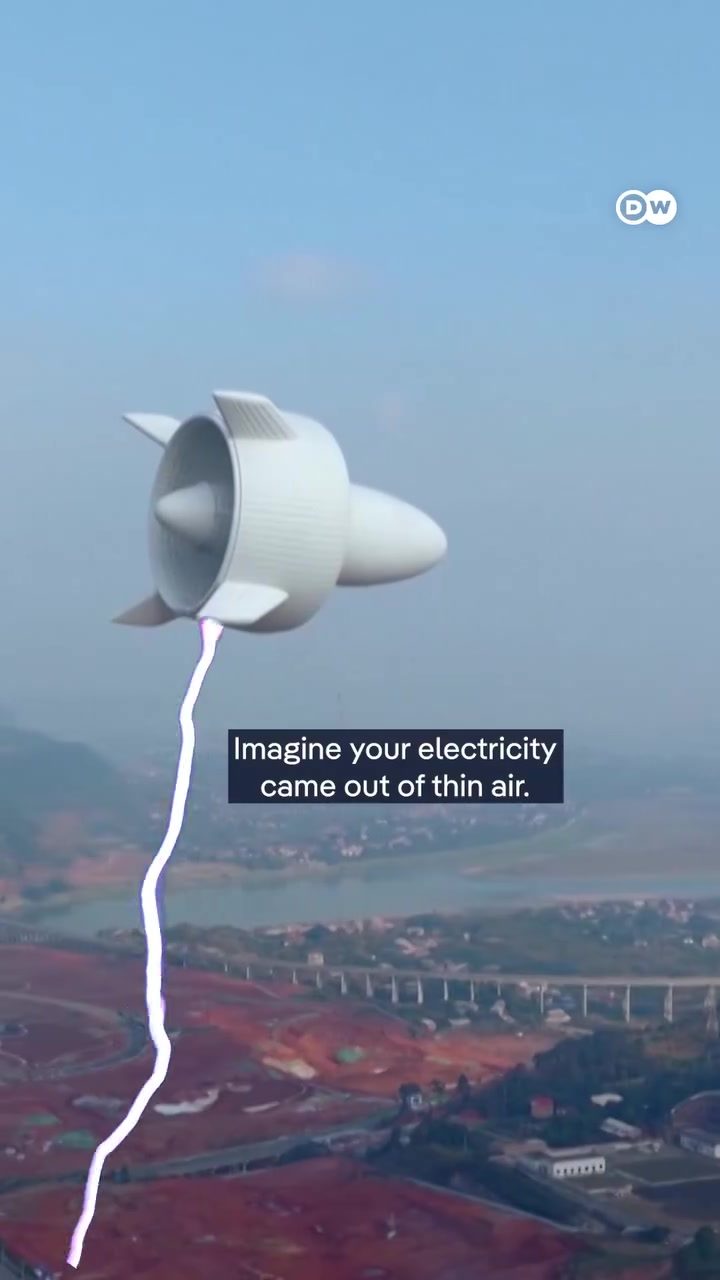
Flying Wind Turbines: Harnessing Sky-High Energy
Wind turbines are a staple of renewable energy, but a new innovation takes them to unseen heights—literally. Floating 2,000 meters above ground, these flying wind turbines offer a glimpse into a future where energy generation reaches new altitudes.
Why This Matters
Traditional wind turbines, whether on land or offshore, face significant challenges. They require extensive, expensive foundations, and can cause noise and visual pollution. Flying wind turbines address these issues by operating in the sky, where winds are stronger and more consistent. This not only enhances efficiency but also reduces the environmental and logistical concerns associated with ground-based turbines.
Main Discussion
How Flying Wind Turbines Work
Lifted by helium-filled airships, these turbines stay tethered to the ground via cables. These cables not only keep the turbines in place but also transmit the generated electricity back to earth. The size of these turbines is impressive, with dimensions around 60 meters long and 40 meters wide and tall, roughly the size of a small aircraft. This design allows them to harness the stronger and more consistent winds found thousands of meters above the ground.
The Advantages
The most significant advantage of flying wind turbines is their ability to tap into higher-altitude winds, which are typically stronger and more consistent than those closer to the ground. This means that they can generate more electricity per unit of time and with greater reliability.
Another key benefit is the elimination of the need for heavy and expensive foundations. Traditional turbines require extensive groundwork, which can be both time-consuming and costly. Flying turbines, on the other hand, can be deployed within hours, making them a much more flexible and rapid solution.
Additionally, the modular nature of these systems means that they can be easily transported and set up in various locations, reducing the logistical challenges often associated with traditional wind energy projects. This modularity also means that maintenance and repairs can be conducted more efficiently.
Environmental and Logistical Benefits
By operating in the sky, these turbines minimize conflicts over noise and visual pollution, which are common issues with traditional turbines. This makes them a more environmentally friendly and socially acceptable option for many communities.
The potential for using helium-filled airships as a lifting mechanism also offers a sustainable and eco-friendly approach. Helium is a non-renewable resource, but the use of these airships in wind energy could be part of a broader shift towards sustainable energy solutions.
Challenges and Safety Concerns
Despite their benefits, flying wind turbines face several challenges. The entire structure weighs over a ton, and even though it is tethered, questions remain about its safety. Engineers need to test how it performs in storms and what would happen if the system ever came down unexpectedly. Long-term safety and durability are critical considerations for these innovative systems.
Another concern is the durability and reliability of the cables that transmit electricity back to the ground. Ensuring these cables remain stable and secure in various weather conditions is a key challenge that needs to be addressed.
Real-World Testing
Recently, a Chinese company conducted tests in Sichuan province, and the results were promising. The flying wind turbine generated 385 kilowatt hours of electricity, enough to supply roughly 1,500 households for one day. This demonstration shows the potential of this technology in real-world applications.
However, it also highlights the need for more extensive testing to ensure that these systems can deliver reliable and safe energy over the long term. As technologies in wind energy evolve, flying turbines could play a significant role in integrating more renewable energy into the grid.
Practical Tips
If you are considering the potential of flying wind turbines for your energy needs, here are a few practical tips:
- Understand the Local Regulations: Before deployment, ensure that local regulations and zoning laws allow for such innovative energy solutions. Flying wind turbines may face regulatory hurdles similar to those of drone operations.
- Assess Wind Conditions: Conduct a comprehensive analysis of the wind conditions at the intended deployment location. Flying wind turbines work best in areas with consistent and strong winds.
- Engage with Local Communities: Address potential concerns from local communities regarding noise, visual impact, and safety. Transparent communication can help mitigate resistance and ensure smoother deployment.
- Evaluate Safety Measures: Ensure that the safety measures, including cable stability and storm resistance, are rigorously tested and reliable. This will be crucial for long-term sustainability and public acceptance.
- Explore Partnerships: Partner with energy companies that have experience in renewable energy projects. Their expertise can provide valuable insights and support for deploying flying wind turbines effectively.
Important Takeaways
Flying wind turbines represent a cutting-edge development in renewable energy. They offer a unique solution to many of the challenges faced by traditional wind turbines, with the potential to provide more efficient and sustainable energy. However, their successful adoption will depend on overcoming technical, regulatory, and safety challenges.
Potential Future Developments
Flying wind turbines could revolutionize the renewable energy landscape. Future advancements may include improved materials for the airships and cables, enhanced safety features, and more efficient energy transmission systems. As technology continues to evolve, these turbines could become a vital component of the global energy mix, contributing to a more sustainable future.
Conclusion
The future of wind energy is taking to the skies. Flying wind turbines offer a promising solution to some of the most significant challenges faced by traditional wind energy projects. With their ability to harness stronger and more consistent winds, reduced environmental impact, and rapid deployment capabilities, these turbines hold the potential to revolutionize the way we generate electricity. As technology advances and safety measures are further refined, flying wind turbines could become a cornerstone of our global energy infrastructure, paving the way for a more sustainable and efficient future.
Watch the Reel
Questions readers ask
What is the primary advantage of flying wind turbines over traditional ones?
Flying wind turbines operate at an altitude of 2,000 meters, where winds are stronger and more consistent. This height allows them to generate more energy efficiently compared to traditional turbines, which are often hindered by lower wind speeds and turbulence near the ground.
How do flying wind turbines address environmental concerns?
By operating high above the ground, flying wind turbines eliminate the need for extensive land use and reduce noise and visual pollution. This makes them a more environmentally friendly option, particularly in areas where traditional wind turbines face opposition due to their impact on local ecosystems and communities.
What are the deployment benefits of flying wind turbines?
Flying wind turbines can be deployed more quickly and with greater flexibility than traditional turbines. They do not require the same level of infrastructure, such as extensive foundations, and can be easily repositioned to optimize energy generation, making them a versatile solution for various geographical locations.
How do flying wind turbines generate electricity?
Flying wind turbines use advanced technology to harness wind energy at high altitudes. They typically consist of a tethered aircraft equipped with turbines that convert the kinetic energy of the wind into electrical energy, which is then transmitted to the ground via the tether.
What are the challenges associated with incorporating flying wind turbines into the power grid?
Integrating flying wind turbines into existing power grids may present technical challenges, such as maintaining stable energy transmission from high altitudes and ensuring the reliability of the tethered system. However, advancements in wireless power transmission and improved materials for tethers are being explored to overcome these challenges.
Are flying wind turbines subject to the same wind power conflicts as traditional turbines?
Flying wind turbines mitigate many of the conflicts associated with traditional turbines, such as noise issues and visual impacts, by operating far above ground level. This makes them less likely to face opposition from local communities, one of the logistical challenges of ground-based wind power deployment.
Related deep dives
Similar reads based on topic and creator.

Recent articles
Fresh deep dives from the latest Reels we unpacked.




Comments
Be the first to comment.