Solar Hydrogen Storage: China’s Groundbreaking Project
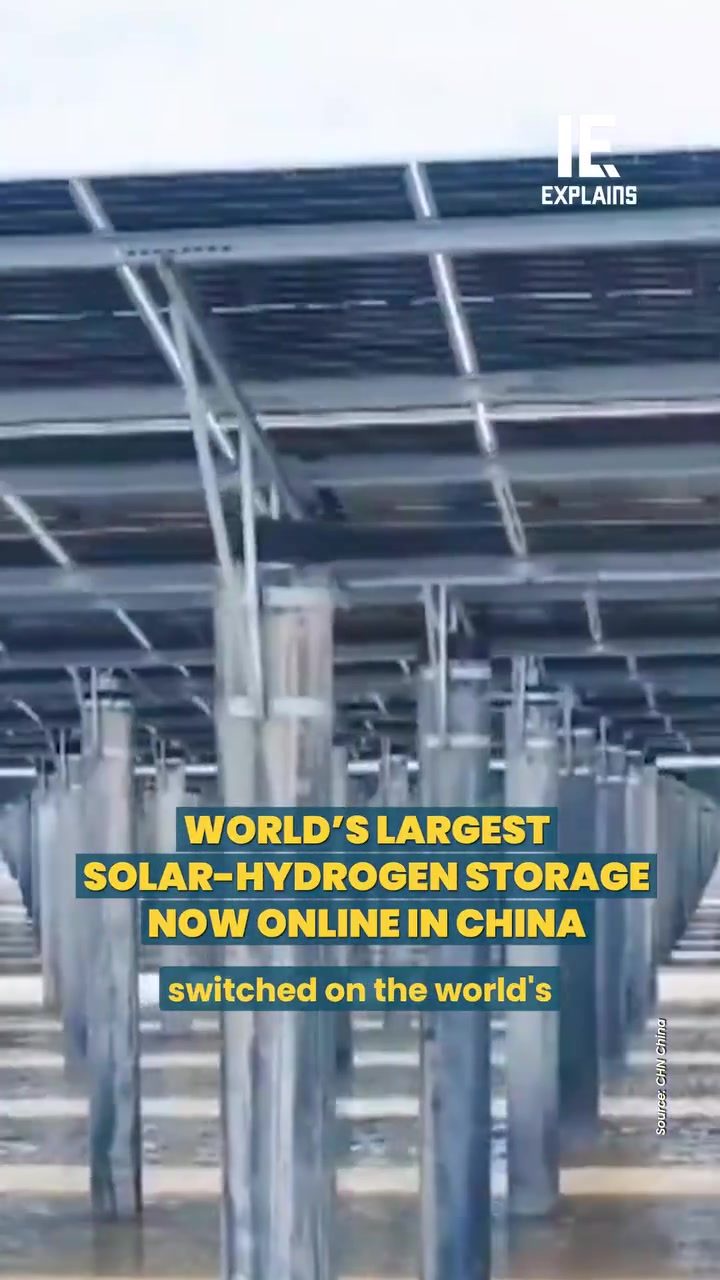
The deployment of solar hydrogen storage has recently achieved new heights in China. CHN Energy, China's largest state-owned power provider, has commissioned the world's largest integrated solar-hydrogen storage facility. This pioneering project is located in Jiangsu province, a coastal region in eastern China. Its strategic location provides abundant sunlight, ideal for harvesting solar energy. The facility boasts a massive 400 megawatts of solar capacity, making it a significant player in the renewable energy sector.
Why This Matters
The integration of solar power and hydrogen storage on this scale is unprecedented. Beyond just generating electricity, this project directly addresses the interrelated challenges of energy storage and green energy production. By combining solar energy, battery storage, and hydrogen production, the facility not only harnesses the sun's power but also ensures that excess energy is efficiently stored and utilized.
The Project's Components
The project is a comprehensive energy solution, encompassing several key components:
Solar Farm
The 400 MW coastal solar farm is the cornerstone of this facility. Solar panels stretch across the coastal landscape, capturing sunshine and converting it into electricity. The sheer scale of this solar farm allows it to power approximately 200,000 homes annually, making it a substantial contributor to China’s energy grid.
Battery Storage
In addition to the solar farm, the project includes a 60 MW/120 MWh battery system. This storage solution helps bridge the gap between energy production and consumption. Batteries store excess solar energy when production exceeds demand, and release it when energy consumption peaks. This ensures a steady energy supply, even when sunlight is variable.
Green Hydrogen Plant
The hydrogen plant is the cutting-edge component of this facility. It produces 482 tonnes of green hydrogen annually. Unlike conventional hydrogen production methods that rely on fossil fuels, green hydrogen is produced through electrolysis. This process uses excess solar energy to split water molecules into hydrogen and oxygen, thereby producing zero greenhouse gas emissions.
The electrolyzer is a critical part of this process. This device receives surplus solar power directly through a dedicated submarine cable, bypassing the grid entirely. This optimization ensures that the energy used for hydrogen production is as clean and efficient as possible.
Hydrogen Refuelling Station
The facility's hydrogen refueling station completes the energy chain. This station supplies hydrogen to the Yangtze River Delta region, a densely populated and industrial area. This integration demonstrates the practical application of green hydrogen in everyday use, from fueling vehicles to powering industrial processes.
The Construction and Timeline
Construction of this ambitious project began in earnest and was completed on June 10, 2026. The timeline was meticulously planned to ensure seamless integration and operation. Hydrogen production is set to commence in August 2026, marking a significant milestone in China's clean energy initiatives.
Practical Tips for Scaling Solar Hydrogen Storage
While this project is groundbreaking, it also serves as a roadmap for future developments. Here are some practical insights for scaling solar hydrogen storage:
Location
Choose sites with abundant sunlight and minimal cloud cover. Coastal locations, like Jiangsu, often provide ideal conditions for solar energy harvesting. This ensures consistent energy production, which is vital for the stability of the overall system.
Integrated Energy Systems
Integrate multiple energy sources and storage solutions. The combination of a solar farm, battery storage, and hydrogen production can create a robust and flexible energy system. This approach ensures that energy is efficiently captured, stored, and utilized.
Direct Electrolyzer Connections
Use dedicated submarine cables to feed surplus solar power directly to the electrolyzer. This approach bypasses the grid, reducing transmission losses and ensuring that the hydrogen production process is as efficient as possible.
Regional Energy Distribution
Plan for regional distribution networks. The hydrogen refueling station illustrates how green hydrogen can be used to power local industries and communities. This ensures that the benefits of renewable energy are widely distributed and economically beneficial.
Community Engagement
Engage with local communities and stakeholders. This not only fosters support for such projects but also ensures that the facility’s benefits are fully realized and integrated into the local economy.
Important Takeaways
The world’s largest solar-hydrogen storage project in Jiangsu offers several key takeaways:
- Integrated Energy Solutions: Combining solar power, battery storage, and green hydrogen production can create a highly efficient and sustainable energy system.
- Direct Electrolyzer Feeding: Bypassing the grid by directly feeding surplus solar power to the electrolyzer ensures efficiency and minimizes transmission losses.
- Regional Benefits: Distributing green hydrogen to local regions can drive economic growth and foster a cleaner energy landscape.
- Scalability: The project serves as a scalable model for future renewable energy initiatives, emphasizing the importance of integrated and direct energy solutions.
Conclusion
Solar hydrogen storage is not just the future of clean energy; it is the present. By harnessing the power of the sun and converting it into green hydrogen, China has set a new standard for renewable energy production and storage. This project in Jiangsu province demonstrates the potential of integrated energy solutions, underscoring the importance of strategic planning, efficient energy storage, and regional distribution. As the world looks for ways to transition to cleaner energy sources, initiatives like this provide a blueprint for a sustainable future.
Watch the Reel
Questions readers ask
What is the significance of the solar-hydrogen storage project in Jiangsu province?
The project is significant because it combines solar power generation and hydrogen storage, addressing energy storage challenges and promoting green energy production. With a 400 megawatt solar capacity, it is one of the largest of its kind, making a substantial contribution to China's energy grid.
Who is behind the construction of this solar-hydrogen storage facility?
CHN Energy, China's largest state-owned power provider, commissioned the project. They have established it as a pivotal component of their green energy strategy, aiming to enhance China's renewable energy sector.
What are the key features of this integrated power plant?
The facility integrates a 400 megawatt solar capacity with advanced battery systems and a hydrogen plant. This integration allows for efficient energy storage and green energy production, making it a unique and innovative project.
How does the location of the project benefit its operations?
Situated in Jiangsu province, the project benefits from abundant sunlight, which is crucial for maximizing solar energy harvesting. This strategic location enhances the overall efficiency and output of the solar-hydrogen storage system.
What role does hydrogen storage play in this project?
Hydrogen storage is essential for stabilizing the energy supply. It allows excess solar energy to be stored and used during periods of low sunlight, ensuring a consistent and reliable power source. This integration of solar power and hydrogen storage is groundbreaking in scale and innovation.
When will the project be completed and operational?
The project has been commissioned and is already operational, highlighting CHN Energy's commitment to advancing green energy production and meeting China's green energy goals by 2026.
How does this project contribute to China's energy goals?
By integrating solar power and hydrogen storage, the project helps diversify China's energy mix and reduce reliance on fossil fuels. It aligns with the country's broader goals for renewable energy and sustainability, setting a benchmark for future energy projects.
Recent articles
Fresh deep dives from the latest Reels we unpacked.




Comments
Be the first to comment.