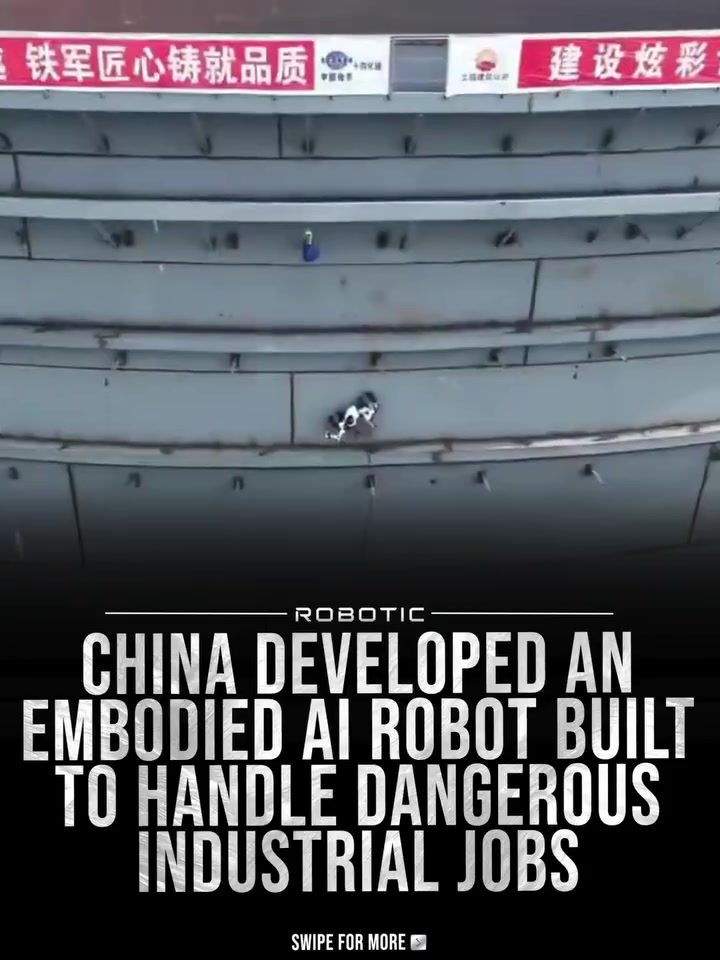
Robotic Arms in Industry: Redefining Safety and Efficiency
Robotic arms, particularly those developed for industrial applications, are revolutionizing the way hazardous and demanding tasks are handled. One notable example is the embodied AI robotic arm developed in China, designed to perform dangerous industrial tasks. This technology is crucial for reducing human exposure to high-risk working environments, ensuring greater safety and efficiency in various sectors.
Why This Matters
The integration of robotic arms in industrial settings is not just about enhancing productivity; it's about safeguarding human lives. Industries such as manufacturing, construction, energy, and infrastructure often involve tasks that are hazardous or physically demanding. By deploying robotic arms, companies can significantly reduce the risk of accidents and injuries, allowing human workers to focus on safer, more specialized roles.
Main Discussion
Advanced Mobility and AI-Powered Decision Making
The embodied AI robotic arm developed in China is equipped with advanced mobility features that enable it to navigate complex environments with ease. This includes climbing tall structures and operating in confined spaces, tasks that are often dangerous for human workers. The arm's AI-powered decision-making capabilities allow it to make precise movements and adjustments, ensuring that tasks such as welding are performed with unmatched accuracy.
Autonomous Operation
One of the key features of this robotic arm is its autonomous operation. This means the arm can function independently, completing complex tasks without continuous human supervision. This autonomy is particularly valuable in environments where human presence is dangerous, such as in high-risk manufacturing processes or construction sites. The arm's ability to operate autonomously not only enhances safety but also increases efficiency by reducing downtime.
Versatile Applications
The versatility of the robotic arm makes it suitable for a wide range of industrial applications. From welding to climbing tall structures, the arm can handle various demanding jobs. This versatility is a significant advantage in industries where multiple types of tasks need to be performed. The arm's advanced capabilities ensure that it can adapt to different tasks, making it a valuable asset in dynamic industrial settings.
Enhancing Safety and Efficiency
By integrating robotic arms into industrial processes, companies can significantly enhance safety and efficiency. The robotic arm's ability to handle hazardous tasks reduces the risk of accidents and injuries, creating a safer working environment. Additionally, the arm's precision and consistency in performing tasks lead to higher productivity and better quality outcomes. This makes robotic arms an essential component in modern industrial operations.
Practical Tips
Assessing Industrial Needs
Before integrating robotic arms into industrial processes, it's crucial to assess the specific needs and challenges of the industry. Identify the tasks that are most hazardous or demanding and determine how a robotic arm can address these issues. This assessment will help in selecting the right robotic arm and ensuring its effective deployment.
Training and Supervision
While robotic arms are designed to operate autonomously, it's essential to provide adequate training to the personnel who will be working with them. Ensure that workers understand how to operate and maintain the robotic arms effectively. Additionally, continuous supervision and monitoring are necessary to ensure that the arms are functioning correctly and safely.
Regular Maintenance
Regular maintenance is key to keeping robotic arms in optimal condition. Follow the manufacturer's guidelines for maintenance and inspections to ensure that the arm continues to operate efficiently. Regular checks can help identify potential issues early, preventing downtime and ensuring consistent performance.
Integrating with Existing Systems
To maximize the benefits of robotic arms, integrate them with existing industrial systems. This integration can include automation software, sensors, and other technologies that enhance the robotic arm's capabilities. By creating a seamless integration, companies can achieve greater efficiency and effectiveness in their operations.
Important Takeaways
The embodied AI robotic arm developed in China is a game-changer in the industrial sector. With its advanced mobility, AI-powered decision-making, and autonomous operation, it can handle a wide range of hazardous and demanding tasks. This technology not only enhances safety but also increases efficiency, making it a valuable asset in industries such as manufacturing, construction, energy, and infrastructure.
Conclusion
Robotic arms are transforming the industrial landscape by taking on hazardous and demanding tasks, allowing human workers to focus on safer and more specialized roles. The embodied AI robotic arm developed in China is a prime example of how advanced technology can enhance safety and efficiency. As embodied AI continues to advance, we can expect to see more innovative applications of robotic arms in various sectors, driving progress and innovation in industrial automation.
Watch the Reel
Questions readers ask
What is an embodied AI robotic arm and how does it enhance industrial safety?
An embodied AI robotic arm is a advanced robotic system that uses artificial intelligence to perform tasks autonomously. It enhances industrial safety by taking over hazardous tasks, reducing the need for human workers to be exposed to dangerous environments and situations.
In which industries can the AI robotic arm developed in China be applied?
The AI robotic arm developed in China can be applied in various industries, including manufacturing, construction, energy, and infrastructure. These sectors often involve tasks that are hazardous or physically demanding, making the robotic arm an invaluable asset for enhancing safety and efficiency.
How does the AI robotic arm's precision benefit industrial tasks?
The AI robotic arm's precision ensures that tasks are completed with a high degree of accuracy, which is crucial for complex industrial operations. This precision helps in reducing errors, improving the quality of work, and increasing overall productivity.
What makes the autonomous operation of the AI robotic arm valuable in industrial settings?
The autonomous operation of the AI robotic arm is valuable because it allows for continuous operation without the need for constant human intervention. This not only increases efficiency but also minimizes human risk in dangerous and demanding tasks.
How does the integration of robotic arms in industry impact worker safety?
The integration of robotic arms in industry significantly improves worker safety by taking over dangerous and physically demanding tasks. This reduces the risk of injuries and fatalities, ensuring a safer working environment for employees.
What are the benefits of using an AI robotic arm in construction?
In construction, an AI robotic arm can handle tasks such as lifting heavy materials, operating machinery, and performing precision tasks. This reduces the risk of accidents, improves efficiency, and ensures that projects are completed on time and within budget.
How does China's development of an AI robotic arm contribute to the robotics industry?
China's development of an AI robotic arm contributes to the robotics industry by showcasing its commitment to technological advancements. This innovation sets a benchmark for safety and efficiency, encouraging further developments and adoption of robotic technology in various sectors worldwide.
Recent articles
Fresh deep dives from the latest Reels we unpacked.




Comments
Be the first to comment.