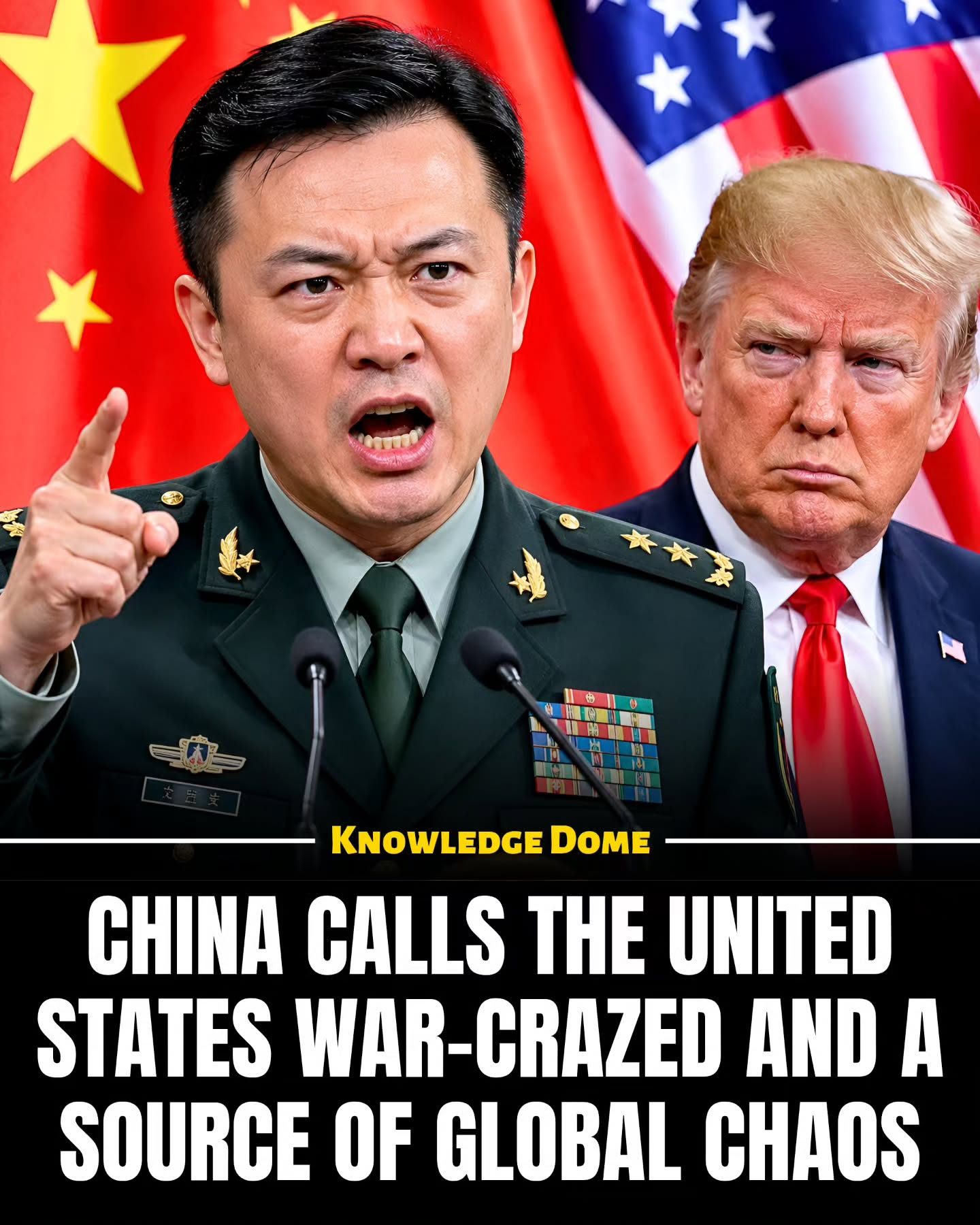
China and the United States: A Deepening Divide
The recent diplomatic row between China and the United States has escalated, with China's Defense Ministry spokesperson, Wu Qian, labeling the United States as "war-crazed" and a "source of global chaos." This strong rhetoric underscores the growing tensions between the two global superpowers, each accusing the other of destabilizing the world order.
Why This Matters
The current state of US-China relations is more than just a diplomatic spat; it reflects a broader geopolitical struggle for influence and leadership. This isn't merely about disagreements over trade, human rights, or territorial disputes. Instead, it's about who will shape the future of global governance, security, and economics.
The Root of the Conflict
China's Perspective
From China's viewpoint, the United States is a disruptive force in the global arena. Here are some key points of contention:
- Military Presence: China criticizes the U.S. for maintaining numerous military bases worldwide, viewing this as an attempt to exert control and influence over other nations.
- Use of Force: China accuses the U.S. of employing military force in various countries, often leading to instability and conflict.
- Sanctions and Political Pressure: China argues that the U.S. uses sanctions and political pressure to coerce other nations into aligning with its policies, further complicating international relations.
China also asserts that U.S. involvement in regional conflicts, such as those in the Middle East and East Asia, contributes to global instability. The perception is that the U.S. has a history of intervening in other countries' affairs, often with unintended consequences that destabilize regions.
The U.S. and Its Allies
The United States and its allies, however, paint a different picture. They maintain that their military presence is essential for maintaining global peace and security. Here are some of their key points:
- Peace and Stability: The U.S. and its allies argue that their military presence is aimed at safeguarding peace and preventing aggression. This involves maintaining a strong defense posture to deter potential threats.
- Supporting Allies: The U.S. justifies its military involvement as a means of supporting friendly countries and regional stability. By providing military aid and support, the U.S. aims to help allies defend themselves and maintain order.
- Countering Threats: The U.S. sees its military actions as necessary to counter real and perceived threats, whether they come from state actors or non-state entities.
The Broader Context
The diplomatic row between China and the U.S. is also a reflection of a larger geopolitical struggle. Many experts believe that this is more than just a rhetorical clash; it's a contest for global leadership. Both countries are vying to shape the rules of international politics, economics, and security. This competition involves not only military and political strategies but also economic policies, technological advancements, and cultural influence.
Practical Tips for Understanding the Conflict
Understanding the complexities of the US-China conflict can be challenging, but here are some practical tips to help you navigate the latest developments:
Stay Informed
- Follow Reliable Sources: Keep up with news from reliable sources that provide balanced and factual reporting. This will help you stay informed about the latest developments and understand the nuanced perspectives of both sides.
- Diversify Your Information: Don't rely on a single source of information. Read multiple perspectives to gain a comprehensive understanding of the situation.
Monitor Official Statements
- Official Channels: Pay attention to official statements from both Chinese and U.S. government agencies. These statements often provide direct insights into each country's stance and policies.
Analyze Policy Changes
- Policy Shifts: Track policy changes and announcements from both countries. Changes in military posture, economic sanctions, and diplomatic strategies can significantly impact the global landscape.
Engage in Dialogue
- Discuss with Others: Engage in discussions with people who have different viewpoints. This can help you understand the broader implications of the conflict and gain new perspectives.
Use Scholarly Research
- Academic Insights: Read academic research and articles that delve into the historical, political, and economic dimensions of the conflict. This can provide a deeper understanding of the underlying issues.
Important Takeaways
Strategic Posturing
The recent escalation of tensions between China and the U.S. highlights the strategic posturing of both countries. Their actions and statements are aimed at projecting strength and shaping global opinion in their favor. This strategic posturing is not just about military strength but also about economic and technological advancements.
Geopolitical Struggle
The conflict is a manifestation of a broader geopolitical struggle for global leadership. Both countries are vying to set the rules for international politics, economics, and security. This struggle involves multiple dimensions, including military, economic, and technological competition.
Impact on Global Stability
The ongoing tensions have significant implications for global stability. The clash of these two superpowers can lead to instability in various regions, affecting trade, international relations, and security.
Need for Diplomatic Efforts
Despite the escalating tensions, there is a pressing need for diplomatic efforts to de-escalate the conflict. Constructive dialogue and cooperation can help mitigate the risks of further deterioration and promote a more stable and peaceful global order.
Conclusion
The escalating tensions between China and the United States reflect a complex geopolitical struggle with far-reaching implications. Both countries are accusing each other of destabilizing global peace and security, with China pointing out the U.S.'s military presence and interventions, and the U.S. maintaining that its actions are aimed at promoting peace and stability. Understanding this conflict requires a nuanced approach, considering the multiple dimensions of the struggle and the broader implications for global stability. By staying informed, engaging in dialogue, and seeking a balanced perspective, we can better navigate this intricate geopolitical landscape.
Watch the Reel
Questions readers ask
What prompted China's Defense Ministry to accuse the US of causing global chaos?
China's Defense Ministry made this accusation amidst an escalating diplomatic row with the United States. The statement, made by spokesperson Wu Qian, came in response to perceived U.S. actions that China believes are destabilizing the world order. This includes U.S. policies and military strategies that China views as aggressive and disruptive to global peace.
How does this diplomatic row reflect broader geopolitical issues?
The conflict between China and the United States goes beyond a simple diplomatic spat, it reflects a broader geopolitical struggle. Both nations are competing for influence in shaping global governance, security, and economics, which has implications for international diplomacy and power dynamics.
What are the main areas of contention between China and the US?
The main areas of contention include trade disputes, human rights issues, and territorial claims. However, the broader struggle is about who will shape the future of global governance and security. This involves differences in military strategies, foreign policies, and each nation's stance on international diplomacy.
What is China's stance on US foreign policy and military strategy?
China views certain U.S. foreign policies and military strategies as aggressive and destabilizing. This perspective is reflected in the strong rhetoric used by China's Defense Ministry, which accuses the U.S. of being a 'war-crazed' and a 'source of global chaos'.
How does this conflict impact global security concerns?
The escalating tensions between China and the US can exacerbate global security concerns. As both nations vie for influence, there is a risk of increased military activity and diplomatic pressure, which can lead to a more volatile and less stable global environment.
What are the implications of this conflict on world order and global power dynamics?
This conflict underscores a significant shift in global power dynamics, with both nations seeking to assert their influence. The outcome will likely shape the future of world order, determining how global governance and security are structured moving forward.
What can we expect from future US-China diplomatic relations?
Given the current trajectory, future US-China diplomatic relations may continue to be marked by heightened tensions. Both nations are likely to maintain their strong stances, leading to ongoing disputes and a complex interplay of global influence and power dynamics.
Recent articles
Fresh deep dives from the latest Reels we unpacked.




Comments
Be the first to comment.