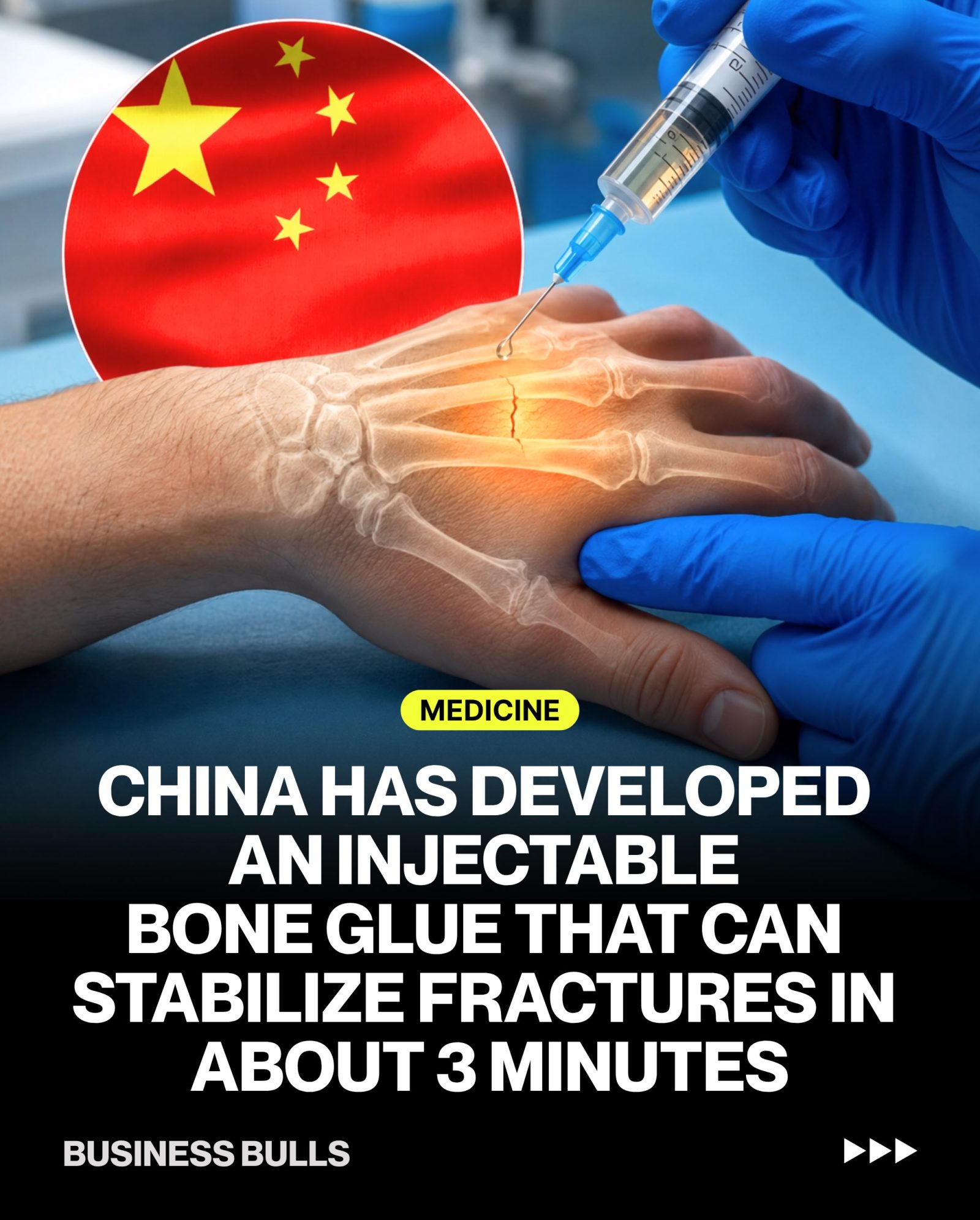
Bone Glue: A Revolutionary Approach to Fracture Stabilization
Bone glue, an injectable biodegradable adhesive, offers a promising alternative to traditional methods of fracture stabilization. This innovative material, designed to hold fractured bone fragments in place, is inspired by the natural adhesive properties of oysters. Let's dive into the details of this groundbreaking development and explore its potential impact on orthopedic medicine.
Why This Matters
Fracture stabilization is a critical aspect of orthopedic care, and traditional methods often involve the use of metal plates and screws. While effective, these methods can be invasive and may require additional surgeries for removal. Bone glue, on the other hand, provides a minimally invasive solution that can stabilize fractures within minutes. This not only reduces the need for invasive procedures but also has the potential to simplify the healing process.
Main Discussion
The Science Behind Bone Glue
Bone glue, developed by Chinese researchers, is based on the powerful underwater adhesive used by oysters. This natural adhesive has remarkable binding properties that allow oysters to securely attach to surfaces. By mimicking this natural process, researchers have created a synthetic adhesive that can bind bone fragments together effectively.
One of the key advantages of bone glue is its biodegradability. After stabilizing the fracture, the glue gradually dissolves as the bone heals. This means that there is no need for a second surgery to remove metal hardware, which is a common requirement with traditional plates and screws. The biodegradable nature of the glue also reduces the risk of complications that can arise from prolonged contact between metal and bone tissue.
Clinical Testing and Results
Early clinical trials involving more than 150 patients have shown encouraging results. The bone glue has been effective in securely supporting fractures after injection, demonstrating its ability to stabilize bone fragments in approximately three minutes. However, it is important to note that the glue does not speed up the natural healing process of the bone.
Researchers emphasize the need for larger clinical studies to confirm the long-term safety and effectiveness of the bone glue. While the initial findings are promising, comprehensive data is essential to ensure that this new technology can be widely adopted in clinical settings.
Potential Applications and Benefits
The potential applications of bone glue are vast. In certain cases, it could serve as an alternative to traditional metal plates and screws. This is particularly beneficial for patients who may not be suitable candidates for invasive surgery or for whom the removal of metal hardware poses a risk. Additionally, the minimally invasive nature of the procedure can reduce patient recovery time and the need for extensive rehabilitation.
For orthopedic surgeons, bone glue offers a new tool in their arsenal. It can be used in a variety of fracture types, from simple breaks to more complex injuries. The ability to quickly stabilize fractures can improve patient outcomes and reduce the need for prolonged hospital stays.
Challenges and Considerations
Despite its promising potential, there are several challenges and considerations to address. One of the primary concerns is ensuring the long-term safety and efficacy of the glue. While early trials have been encouraging, larger studies are necessary to confirm these findings. Researchers must also consider the potential for allergic reactions or adverse effects, as well as the optimal dosage and application methods.
Another consideration is the cost of the glue. While the benefits may outweigh the costs in many cases, the economic implications for healthcare systems and patients must be assessed. Ensuring that the glue is accessible and affordable for a wide range of patients will be crucial for its widespread adoption.
Future Directions
As researchers continue to develop and refine bone glue, several future directions are evident. One area of focus is enhancing the adhesive properties to ensure even stronger and more durable bonds. Additionally, researchers may explore the use of bone glue in combination with other materials or therapies to further improve fracture healing.
Advancements in biotechnology and materials science will also play a significant role in the future of bone glue. As new materials and technologies emerge, they can be integrated into the glue to enhance its properties and expand its applications.
Practical Tips
For Healthcare Professionals
-
Stay Informed: Keep up-to-date with the latest research and clinical trials involving bone glue. Understanding the current state of the technology and its potential applications will help in making informed decisions.
-
Evaluate Patients: Assess the suitability of bone glue for individual patients based on their specific fracture types, overall health, and surgical history. Consider the potential benefits and risks for each patient.
-
Training and Education: Ensure that surgical teams are well-trained in the application of bone glue. Proper training will be essential for achieving optimal results and minimizing complications.
For Patients
-
Ask Questions: If considering bone glue as a treatment option, ask your healthcare provider about the potential benefits and risks. Understanding the procedure and its implications is important for making informed decisions.
-
Follow Post-Operative Instructions: Adhere to the post-operative instructions provided by your healthcare provider. Proper care and rehabilitation will be crucial for a successful recovery.
-
Stay Positive: Bone glue offers a promising alternative to traditional fracture stabilization methods. Staying positive and trusting the expertise of your healthcare team can contribute to a successful outcome.
Important Takeaways
Bone glue represents a significant advancement in fracture stabilization. Its biodegradable nature, minimally invasive application, and potential to reduce the need for invasive surgery make it a valuable addition to orthopedic medicine. However, further research is necessary to confirm its long-term safety and effectiveness, and to explore its full range of applications.
Researchers and healthcare providers must continue to evaluate and refine this technology, ensuring that it can be safely and effectively integrated into clinical practice. As we move forward, the potential benefits of bone glue for patients and healthcare systems are substantial, offering a new approach to managing fractures and improving patient outcomes.
Conclusion
Bone glue, inspired by the natural adhesive properties of oysters, offers a promising alternative to traditional fracture stabilization methods. Its biodegradable nature, quick application, and potential to reduce the need for invasive procedures make it a valuable innovation in orthopedic medicine. While further research is needed, the initial findings are encouraging, and the future of bone glue looks bright. As researchers continue to develop and refine this technology, it has the potential to revolutionize the way we approach fracture healing.
Watch the Reel
Questions readers ask
How does bone glue work to stabilize fractures?
Bone glue is an injectable, biodegradable adhesive designed to mimic the natural adhesive properties of oysters. Once applied, it quickly sets to hold bone fragments in place, providing immediate stabilization and promoting natural healing.
What are the benefits of using bone glue over traditional methods?
Bone glue offers several advantages, including a minimally invasive application process, reduced need for additional surgeries, and faster healing times. Unlike metal plates and screws, it provides immediate stabilization and gradually degrades as the bone heals.
How soon after a fracture can bone glue be applied?
Bone glue can be applied within hours of a fracture, making it a valuable option for early fracture treatment. This rapid application helps to minimize displacement of bone fragments and supports quicker healing.
Is bone glue suitable for all types of fractures?
Bone glue is particularly effective for fractures that are simple and can be aligned properly. However, it may not be suitable for complex fractures or those requiring significant realignment. For specific cases, it is best to consult with a healthcare professional.
What happens to the bone glue as the fracture heals?
Bone glue is designed to be biodegradable, meaning it gradually breaks down and is absorbed by the body as the bone heals. This process ensures that no foreign material remains in the body long-term, reducing the risk of complications.
Are there any potential downsides to using bone glue?
While bone glue shows great promise, it is still a relatively new technology. Potential downsides may include limited long-term data and the need for further research. Additionally, it might not be suitable for all fracture types or patient conditions.
How can bone glue impact the orthopedic business and patient care?
Bone glue could revolutionize orthopedic care by offering a fast, effective, and less invasive treatment option. For the orthopedic business, this could mean new products and advancements in bone glue technology, as well as improved patient outcomes and reduced healthcare costs.
Recent articles
Fresh deep dives from the latest Reels we unpacked.




Comments
Be the first to comment.