Humanoid Robots: The Global Competition in 2025
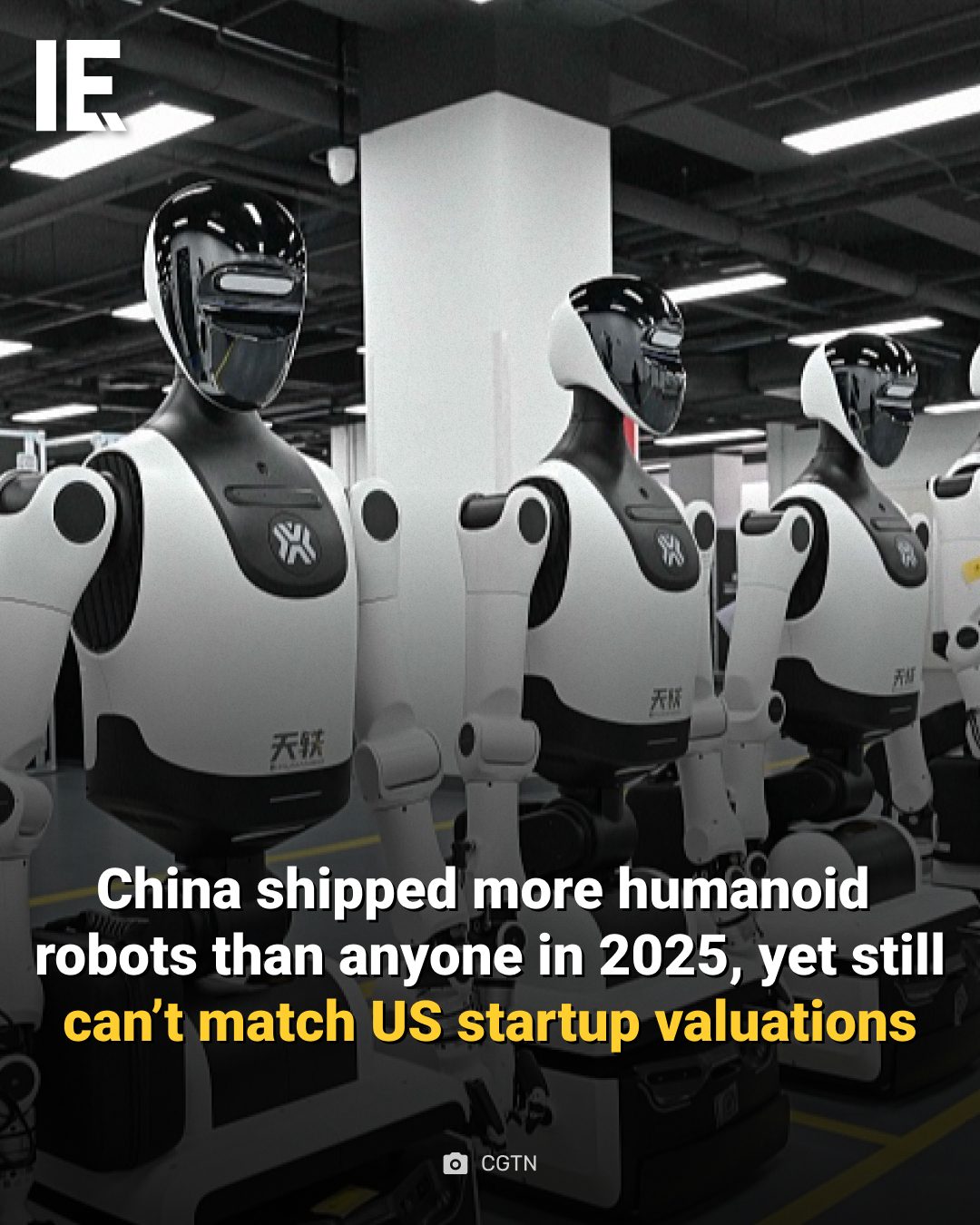
China has emerged as a dominant player in the humanoid robot market, securing the top six spots in global robot shipment rankings for 2025. These robots are deployed in various settings, from factories and airports to malls, showcasing their versatility and practical applications. However, the valuation gap between Chinese and US humanoid robot startups highlights a significant disparity in investor perceptions and market dynamics.
Context / Why this Matters
The 2025 rankings underscore the accelerating pace of technology adoption and innovation in China's robotics sector, as well as the broader implications for global industries. This market shift is not just a technological achievement but also a geopolitical and economic phenomenon. Understanding the dynamics at play can provide valuable insights for investors, entrepreneurs, and policymakers involved in the tech industry.
Main Discussion
The Rise of Chinese Humanoid Robots
Chinese humanoid robot startups have made remarkable strides, leading the global market in shipments. This success can be attributed to several factors:
- Government Support: The Chinese government has been instrumental in fostering the growth of the robotics industry through policies, funding, and initiatives aimed at promoting innovation and manufacturing.
- Industrial Applications: Chinese humanoid robots are predominantly designed for industrial applications, such as manufacturing, logistics, and customer service. These robots are optimized for tasks that require precision, speed, and endurance, making them invaluable in high-demand sectors.
Industrial vs. Broad AI Platforms
The valuation differences between Chinese and US humanoid robot startups reflect how investors view the two industries. US companies, like Figure, are often perceived as broad AI platforms, which could potentially revolutionize multiple sectors beyond robotics. This broader potential attracts significant investment, driving up valuations.
Chinese companies, on the other hand, are primarily seen as industrial hardware plays, focusing on specific, high-demand applications. While this focus makes them highly profitable, it limits their investment appeal compared to broader AI platforms.
Geopolitical Impact
Geopolitical factors also play a crucial role in shaping the global humanoid robot market. For instance, US pension funds have been pulling back from Chinese startups, which has created an opportunity for Middle East sovereign funds. These funds are now investing in Chinese robots and backing local venture capital, further complicating the global landscape.
Investment and Market Dynamics
The disparity in valuations and the geopolitical landscape have significant implications for the global robotics market. The investment gap between US and Chinese startups could drive further innovation and market dominance for US companies, while also fostering greater collaboration between China and the Middle East.
Practical Tips
For those looking to navigate this dynamic market, here are a few practical tips:
-
Stay Updated on Market Trends: Regularly monitor market trends, government policies, and technological advancements in the robotics sector. This will help in making informed investment and business decisions.
-
Understand Valuation Dynamics: Recognize the difference in how investors perceive industrial hardware plays and broad AI platforms. This understanding can guide investment strategies and long-term planning.
-
Explore Collaboration Opportunities: Given the geopolitical shifts, explore potential collaboration and investment opportunities with Middle Eastern sovereign funds. This could offer new avenues for growth and innovation.
-
Focus on Practical Applications: For entrepreneurs and investors, focusing on practical, high-demand applications can provide a stable and profitable entry point into the market. While broad AI platforms have significant potential, they also come with greater risks and investment requirements.
Important Takeaways
Key Insights
- China's dominance in the 2025 global humanoid robot shipment rankings reflects a strong focus on industrial applications and government support.
- US startups, like Figure, benefit from higher valuations due to their broader AI platform potential, which attracts significant investment.
- Geopolitical factors, such as US pension funds pulling back from Chinese startups, create opportunities for Middle Eastern sovereign funds to invest in the robotics sector in China.
- The valuation and market dynamics underscore the need for understanding the different investment perceptions and practical applications of humanoid robots in the global market.
Conclusion
The global humanoid robot market is poised for significant growth and transformation in 2025. With China leading the shipment rankings and US startups commanding higher valuations, the dynamics at play are complex and multifaceted. By understanding these trends, investors, entrepreneurs, and policymakers can better navigate the market and capitalize on the opportunities it presents. The interplay between technology, market perception, and geopolitical factors will continue to shape the future of humanoid robots, making it an exciting and dynamic field to watch.
Watch the Reel
Questions readers ask
Which Chinese companies lead the global robot shipment rankings in 2025?
In 2025, Chinese companies hold the top six positions in global robot shipment rankings. While the article does not specify each company, it highlights the dominance of Chinese firms in this market.
What industries can we expect to see Chinese humanoid robots deployed in?
Chinese humanoid robots are expected to be deployed in a wide range of industries. The article specifically mentions factories, airports, and malls, demonstrating the versatility of these robots in various settings.
What role does the Chinese government play in the country's robotics sector?
The Chinese government provides significant support to the robotics sector, which has fueled the country's dominance in the market. This support likely includes funding, policy incentives, and strategic initiatives to advance robotics technology.
How does China's focus on industrial applications of robots impact the global market?
China's emphasis on industrial applications drives its competitiveness in the robotics sector and has a significant impact on the global market by setting new standards and increasing efficiency in manufacturing processes. This focus also prompts other countries to adapt and innovate in response.
Why are there significant differences in valuation between Chinese and US humanoid robot startups?
The valuation gap between Chinese and US humanoid robot startups reflects differences in investor perceptions and market dynamics. While Chinese startups benefit from strong government support and a growing domestic market, US startups may face different investment landscapes and market conditions. This disparity highlights the varying levels of market maturity and investor confidence in each region.
How does China's dominance in the robotics sector impact global tech industry trends?
China's dominance in the robotics sector signals a significant shift in the global tech landscape. It accelerates the pace of technology adoption and innovation, and influences global industries by setting new benchmarks for efficiency and technological advancement. This dominance also highlights the geopolitical and economic implications of technological leadership.
What are the potential effects of China's robotics market shift on other countries and industries?
The shift in the robotics market towards China can prompt other countries to reassess their own robotics strategies and potentially invest more in this sector. For industries, this shift may mean increased competition, new collaboration opportunities or the need to adapt to new technological standards set by Chinese companies.
Related deep dives
Similar reads based on topic and creator.


Recent articles
Fresh deep dives from the latest Reels we unpacked.




Comments
Be the first to comment.