U.S. Sanctions on Chinese Companies Buying Iranian Oil
China has strongly opposed new U.S. sanctions targeting Chinese firms that purchase Iranian oil. The sanctions, imposed by the U.S., have drawn a firm rebuttal from Beijing, which has characterized the penalties as a violation of international law and urged that they not be implemented. This escalation in tensions highlights the complex geopolitical dynamics involving Iran, China, and the United States.
Context: Why This Matters
The sanctions target several key Chinese companies, including Hengli Petrochemical in Dalian and various smaller refineries in Shandong and Hebei. These refineries, often referred to as "teapot" refineries, are significant buyers of Iranian crude oil. Iran relies heavily on China as its largest oil customer, making these sanctions a significant issue for Tehran's economy.
For the U.S., these sanctions are part of a broader strategy to increase pressure on Iran, particularly in the wake of Middle East unrest. However, the move has strained relations between Washington and Beijing, further complicating an already tense geopolitical landscape.
Main Discussion
The U.S. Sanctions
The U.S. has widened its sanctions to include more companies and terminals linked to Iranian oil shipments. This broader approach aims to cut off funding to Iran by targeting its major oil customers. The sanctions specifically highlight Hengli Petrochemical and other smaller refineries, which are crucial for China's oil supply chain.
China's Response
China has responded decisively, asserting that the sanctions are illegal under international law. Beijing has stated that these penalties should not be accepted or enforced, indicating a firm stance against what it views as U.S. overreach.
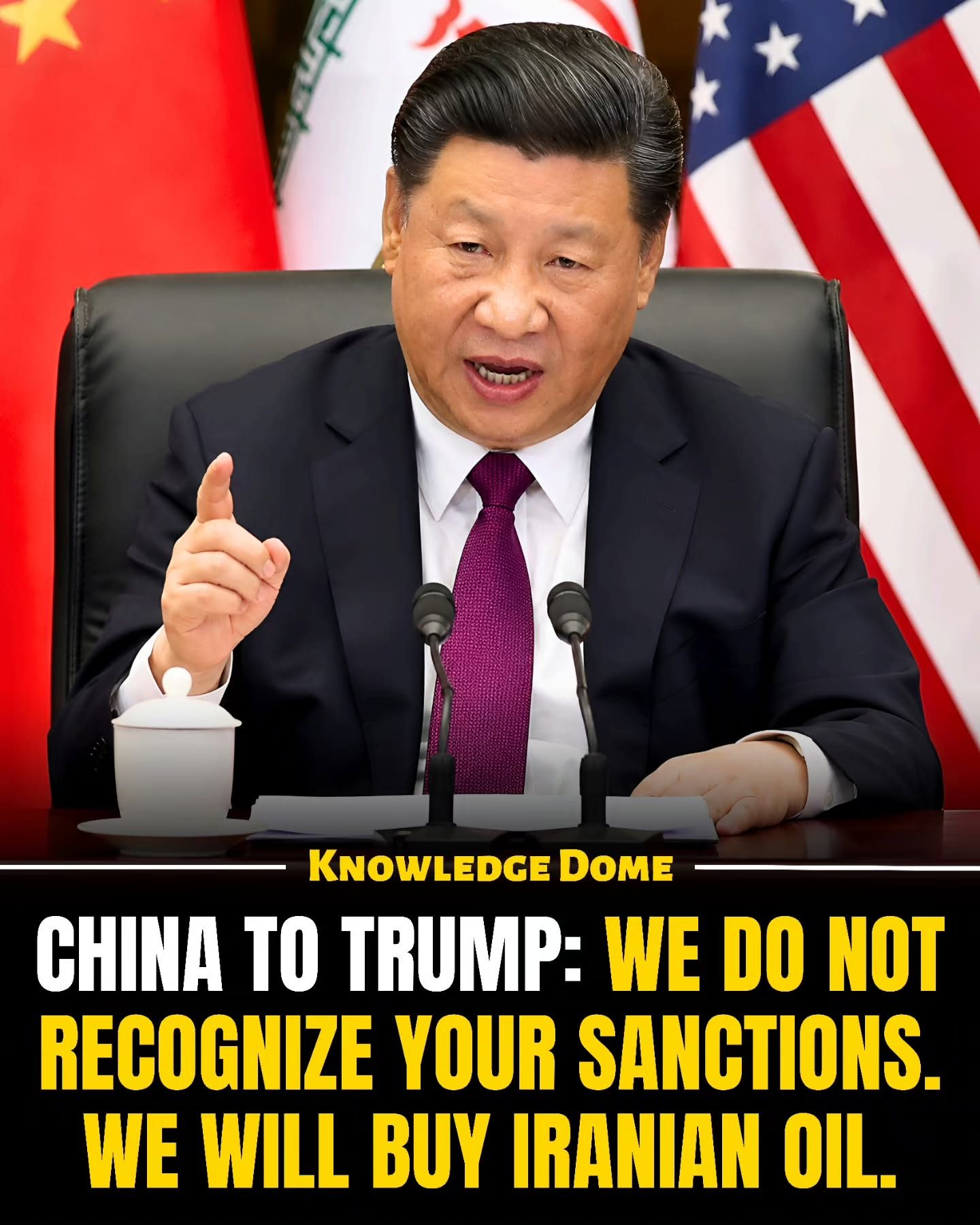
The meme, which depicts Chinese President Xi Jinping superimposed on an American flag, underscores China's defiant position. The text overlay reads, "CHINA TO TRUMP: WE DO NOT RECOGNIZE YOUR SANCTIONS. WE WILL BUY IRANIAN OIL." This visual representation highlights China's intent to continue its oil trade with Iran, despite U.S. pressure.
The Broader Impact
The sanctions and China's response have significant implications for global oil markets. China's continued purchase of Iranian oil ensures that Tehran has a steady source of revenue, which is crucial for its economic stability. This dynamic also impacts the geopolitical balance in the Middle East, where tensions between the U.S. and Iran have been a persistent issue.
Practical Tips
For those navigating the geopolitical landscape, it’s essential to stay informed about the evolving sanctions and their potential impacts. Here are some practical tips:
- Monitor Official Announcements: Keep an eye on official statements from both the U.S. and China regarding any changes or escalations in sanctions.
- Understand the Supply Chain: For businesses involved in oil trading, understanding the supply chain and the role of "teapot" refineries can provide insights into how sanctions might affect operations.
- Diversify Suppliers: Companies reliant on Iranian oil might consider diversifying their supply chains to mitigate risks associated with sanctions.
- Engage with Legal and Compliance Teams: Consult with legal and compliance experts to navigate the complexities of international sanctions and ensure adherence to legal requirements.
Important Takeaways
- Geopolitical Complexity: The sanctions and China's response illustrate the complexity of geopolitical relationships, particularly in the oil industry.
- Economic Implications: The economic impact on Iran, China, and the global oil market is significant, with Iran's revenue from oil sales at stake.
- Legal and Regulatory Framework: Understanding the legal and regulatory framework surrounding these sanctions is crucial for businesses and governments alike.
Conclusion
The escalation of U.S. sanctions on Chinese companies buying Iranian oil, coupled with China's firm response, highlights the intricate and tense geopolitical landscape. As the situation develops, staying informed and prepared can help mitigate risks and navigate the complexities of international trade and sanctions. Whether you are a business owner, policymaker, or simply interested in global affairs, understanding these dynamics is key to making informed decisions.
Watch the Reel
Questions readers ask
Which Chinese companies are primarily affected by the U.S. sanctions targeting Iranian oil imports?
The U.S. sanctions primarily target large companies like Hengli Petrochemical in Dalian, along with numerous smaller refineries in the provinces of Shandong and Hebei. These refineries are often called 'teapot' refineries and are significant buyers of Iranian crude oil.
Why does China believe the U.S. sanctions on Iranian oil are illegal?
China argues that the U.S. sanctions violate international law because they impose unilateral penalties without the consent or endorsement of the United Nations Security Council.
How has China responded to the U.S. sanctions on Iranian oil imports?
China has firmly opposed the U.S. sanctions, asserting that they are illegal and urging the U.S. not to implement them. China has also vowed to continue buying Iranian oil, further escalating tensions between the two countries.
What is the significance of the 'teapot' refineries in this context?
'Teapot' refineries are smaller, independent refineries in China that play a significant role in importing and processing Iranian crude oil. Their operations are crucial for understanding the impact of the U.S. sanctions on China's oil industry and its trade relations with Iran.
How have the sanctions impacted the geopolitical dynamics between the U.S. and China?
The sanctions have escalated tensions between the U.S. and China, highlighting a complex geopolitical dynamic. This situation underscores the broader dispute over U.S. unilateral sanctions and China's growing influence in the Middle East, particularly with Iran.
Why does Iran rely heavily on China for its oil exports?
Iran relies heavily on China as its largest oil customer, making China a crucial partner for its oil exports. This reliance is driven by China's significant demand for energy and its willingness to engage in trade despite U.S. sanctions, which have limited Iran's ability to sell oil to other markets.
Recent articles
Fresh deep dives from the latest Reels we unpacked.




Comments
Be the first to comment.