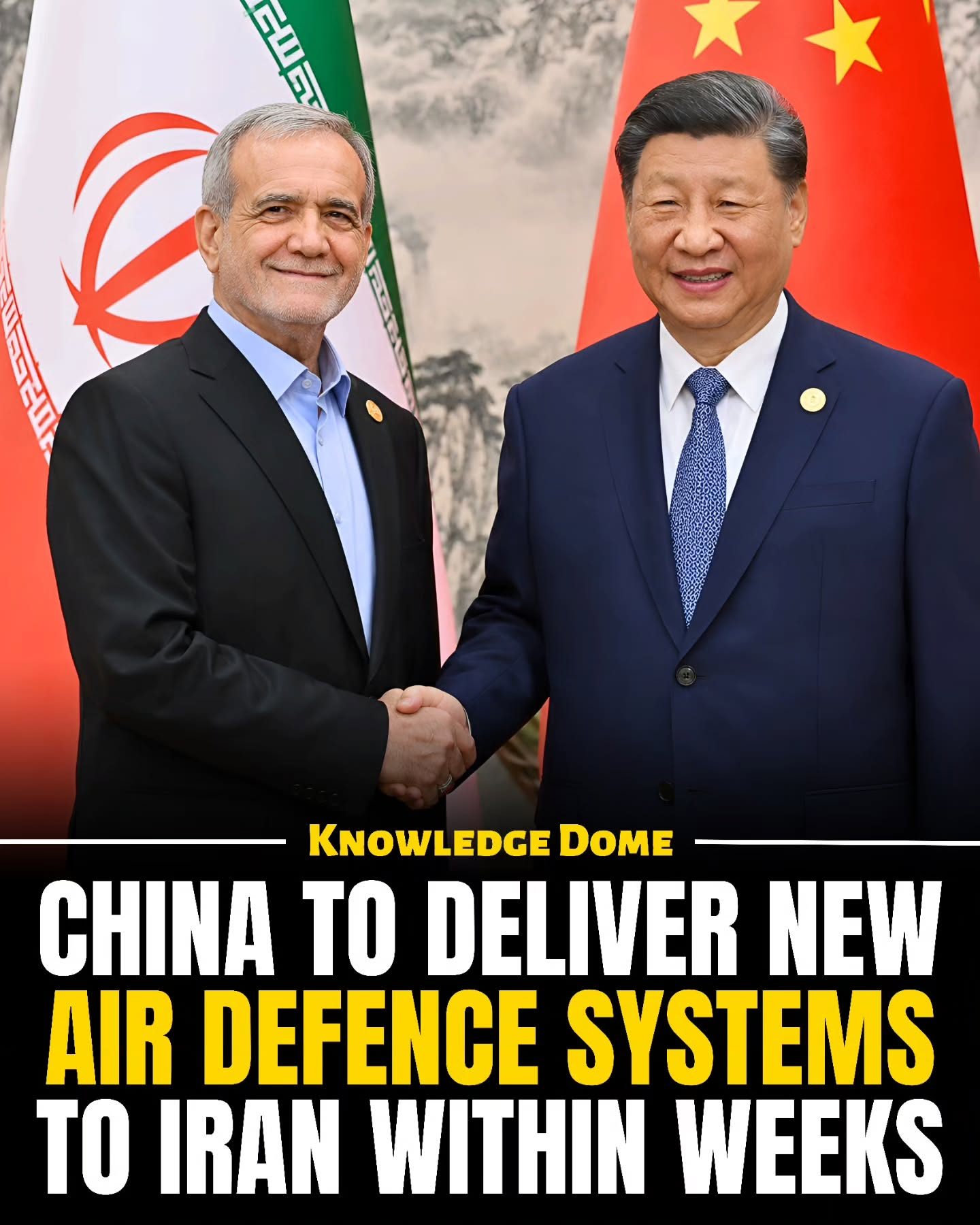
International Relations: China's Potential MANPADS Transfer to Iran and Its Implications
China's potential transfer of shoulder-fired anti-aircraft missiles, known as MANPADS, to Iran has drawn significant attention and concern from various international actors. These weapons, while small and portable, pose a substantial threat due to their ability to shoot down low-flying aircraft and helicopters. The situation is further complicated by reports suggesting that China may attempt to move the weapons through other countries to obscure their origin and avoid diplomatic repercussions.
Why This Matters
The potential delivery of these advanced air defense systems could have several far-reaching implications. For Iran, these weapons could be a game-changer, providing a new capability to threaten enemy aircraft and potentially altering the balance of power in the region. For the broader international community, particularly the United States and its allies, this development raises serious security concerns. Should the transfer be verified, the situation could escalate diplomatic tensions and potentially lead to further military confrontations.
The Potential Transfer
China's Role in the Conflict
China has a long history of exporting military equipment and technology to various countries around the world. The potential transfer of MANPADS to Iran aligns with China's broader strategy of expanding its global influence and military capabilities. According to the intelligence reports, it's likely that China is considering the transfer of these weapons to bolster its support for Iran. Although China’s embassy in Washington has denied these reports, the possibility of such a move cannot be ignored.
The Weaponry: MANPADS
MANPADS, or Man-Portable Air-Defense Systems, are shoulder-fired missiles designed to be used by a single person. These weapons are particularly effective against low-flying aircraft, helicopters, and drones. Their portability and ease of use make them a significant threat in modern warfare, where combat operations often involve low-altitude flights. Iran's acquisition of these weapons could make the region's skies even more dangerous, particularly for military aircraft and drones engaged in surveillance or ground support roles.
Geopolitical Implications
The transfer of MANPADS would not only enhance Iran's military capabilities but also potentially destabilize the fragile ceasefire in the region. MANPADS can be a decisive factor in ground conflicts, making it difficult for opposing forces to maintain air superiority. This could lead to an escalation of hostilities, as Iran gains a new and potent means of defending against air strikes and surveillance operations.
The Strategic Use of Intermediaries
To avoid direct diplomatic fallout, China may try to route the weapons through third countries. This strategy would help China maintain plausible deniability while still achieving its strategic objectives. It would also complicate efforts to trace the origin of the weapons, making it more challenging for the international community to respond effectively. This approach underscores the complexities of modern geopolitics, where international relations are often shaped by subtle and indirect means.
Practical Tips for Understanding the Situation
Monitoring International Responses
Staying informed about the responses from other international actors, particularly the United States and its allies, is crucial. Statements from world leaders, diplomatic communications, and military posturing can provide valuable insights into the potential escalation or de-escalation of tensions.
Analyzing Intelligence Reports
Given the sensitivity of the situation, intelligence reports will play a significant role in shaping the narrative. Paying close attention to verifiable reports and analyzing their credibility can help in understanding the true extent of the threat. It is also important to consider the source of the reports and their potential biases.
Evaluating Iran’s Military Posture
Monitoring Iran’s military posture and any changes in its strategic deployments can provide clues about its readiness to utilize new weapons systems. This includes tracking any noticeable increase in military exercises involving air defense and the deployment of new equipment to key locations.
Important Takeaways
The Strategic Importance of MANPADS
MANPADS are not just another piece of military equipment; they represent a significant shift in the balance of power. Their ability to shoot down low-flying aircraft makes them a potent force multiplier, especially in ground combat scenarios where air support is crucial.
The Diplomatic and Military Ramifications
The potential transfer of MANPADS to Iran highlights the delicate yet critical nature of international relations. It underscores the need for astute diplomacy, robust intelligence-gathering, and strategic military planning to navigate the potential fallout effectively.
The Role of Intermediaries in Geopolitics
China's potential use of intermediaries to transfer weapons to Iran reveals a deeper layer of geopolitical strategy. This tactic not only helps in avoiding direct diplomatic repercussions but also complicates efforts to trace the origin and flow of weapons.
Conclusion
The potential transfer of MANPADS from China to Iran is a critical development in the ongoing geopolitical dynamics of the region. As the situation unfolds, it is essential to stay informed about the latest developments, evaluate the credibility of intelligence reports, and monitor the responses from key international actors. The delicate balance of power in the region could be significantly altered by this move, making it a pivotal moment in international relations.
Watch the Reel
Questions readers ask
What are MANPADS and why are they considered dangerous?
MANPADS, or Man-Portable Air-Defense Systems, are shoulder-fired missiles designed to take down low-flying aircraft, helicopters, and drones. They are considered dangerous due to their ability to disrupt civilian and military aviation, cause significant damage, and potentially lead to loss of life. Their portability and ease of use make them a significant threat to safety and security.
What are the potential implications of China arming Iran with MANPADS?
If China transfers MANPADS to Iran, it could significantly boost Iran's air defense capabilities, posing a greater threat to aircraft in the region. This could lead to shifts in regional power dynamics, increased tensions, and potentially escalate diplomatic issues. Additionally, it could complicate international relations and potentially violate arms control agreements.
How might China attempt to transfer MANPADS to Iran without direct diplomatic consequences?
Reports suggest that China may try to transfer MANPADS to Iran through intermediary countries to avoid direct diplomatic repercussions. This would involve shipping the weapons through third-party nations to obscure their origin, making it more challenging for international actors to attribute the transfer directly to China.
What kinds of aircraft are most at risk from MANPADS threats?
MANPADS primarily pose a threat to low-flying aircraft, including helicopters and low-altitude civilian and military aircraft. These weapons are particularly dangerous during takeoff, landing, or low-altitude flight, making them a significant concern for aviation safety and security in regions where they are deployed.
What actions might international actors take in response to China's potential transfer of MANPADS to Iran?
International actors might respond with diplomatic pressure, sanctions, or other measures to deter the transfer and mitigate potential risks. They could also work to enhance regional security by providing alternative defense systems or intelligence sharing, and increasing vigilance in monitoring the movement of these weapons.
How might the transfer of MANPADS impact China-Iran relations?
The transfer of MANPADS could potentially strengthen military ties between China and Iran, as it would signal a deepening of their strategic partnership. However, it could also invite international scrutiny and potentially isolate both nations if the transfer is seen as a violation of international norms or agreements. This could lead to broader geopolitical repercussions.
What steps can be taken to mitigate the risks posed by MANPADS?
Mitigating the risks posed by MANPADS involves a combination of intelligence gathering, countermeasures, and international cooperation. Governments and aviation authorities can work to improve early warning systems, training for pilots and air traffic controllers, and enhanced aviation security protocols. Additionally, international agreements and monitoring can help curb the proliferation of these weapons.
Recent articles
Fresh deep dives from the latest Reels we unpacked.




Comments
Be the first to comment.