Restaurant Bill Controversy: The Debate Over Automatic Charity Donations
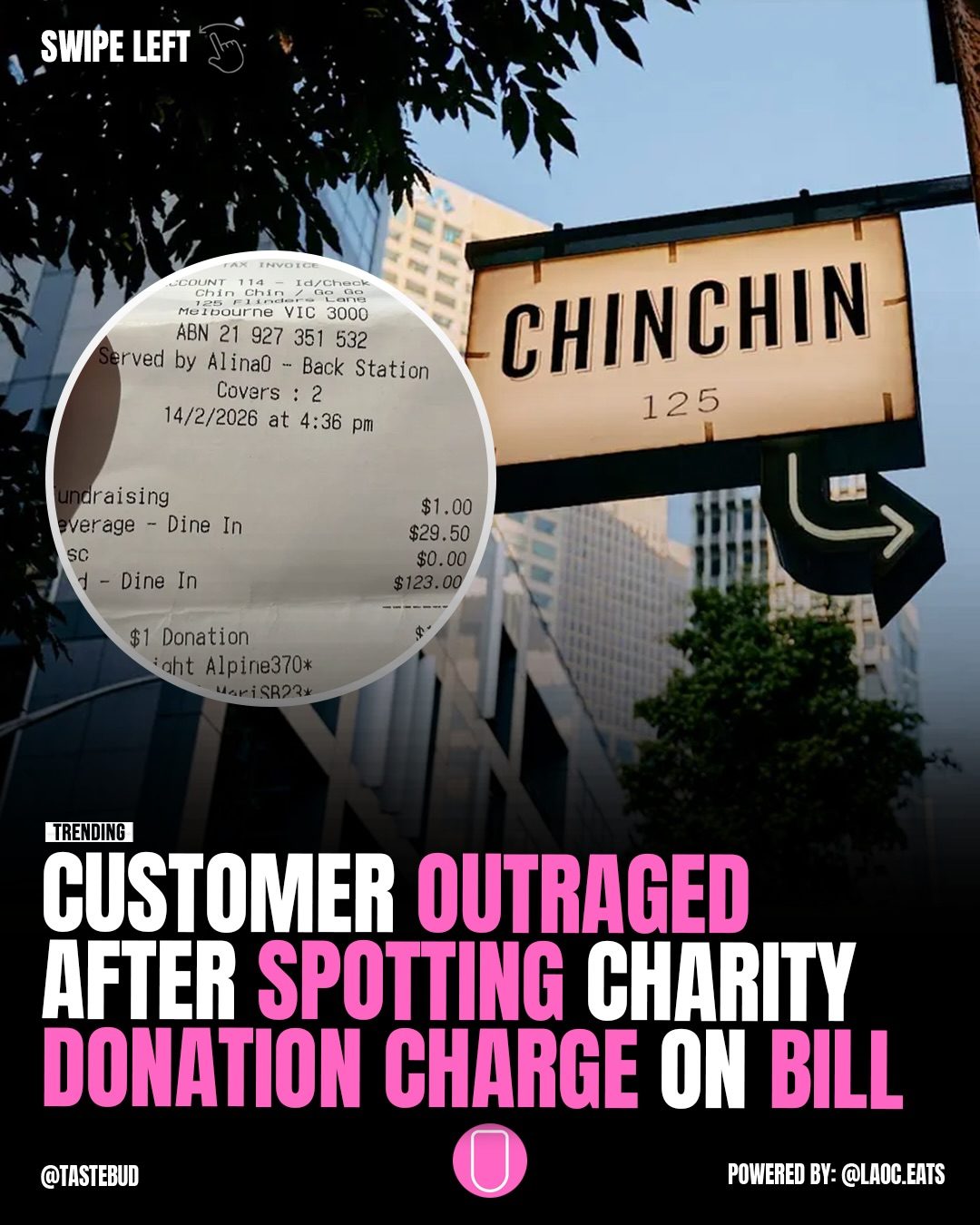
Dining out at a restaurant should be a straightforward experience. However, a recent incident at Chin Chin in Melbourne has sparked a controversy about automatic charity donations on restaurant bills. A customer noticed a $1 charity donation on their receipt, leading to questions about the legality and ethics of such practices.
Why This Matters
With growing public awareness about ethical consumer behavior, any perceived manipulation in dining transactions can cause significant backlash. The incident at Chin Chin highlights the delicate balance between supporting charitable causes and respecting customer autonomy. This controversy has broader implications for the hospitality industry, as it raises questions about transparency and customer consent in dining transactions. The impact of these practices is a conversation that extends to many sectors where automated contributions are becoming more common.
The Incident at Chin Chin
The controversy began when a customer at Chin Chin in Melbourne noticed an automatic $1 donation on their bill, labeled as 'Fundraising'. The donation was intended to support the Collective Foundation, a registered charity dedicated to funding hospitality education projects. The restaurant confirmed that the charge is disclosed on their menus and can be removed upon request.
Despite this transparency, many customers criticized the automatic opt-out approach, arguing that it feels forced, even if the amount is small. The core of the debate lies in the question: When does a charitable contribution cross the line into a perceived obscurity?
Legal and Ethical Considerations
Legal Perspective
Automatic donations are legal if clearly communicated to customers. In the case of Chin Chin, the restaurant ensured that the donation is disclosed on their menus. However, the legality of such practices does not negate the ethical considerations that arise from customer perceptions.
Ethical Considerations
The ethical debate centers on customer consent and the feeling of being coerced into making a charitable donation. While the amount may be small, the principle of customer autonomy is at stake. Many argue that customers should have the option to opt-in rather than opt-out of such donations.
Customer autonomy is a fundamental aspect of ethical consumer behavior. In the context of dining, this means giving customers the freedom to choose whether they want to contribute to charitable causes. This principle is crucial in maintaining trust and goodwill between businesses and their customers.
Industry Practices
The hospitality industry is not alone in implementing automatic donations. Many businesses, from retail stores to airlines, have adopted similar practices. The underlying rationale is often to support charitable causes while minimizing the administrative burden on customers.
Why This Is Important
The controversy at Chin Chin underscores the importance of transparency and customer consent in any transaction. Businesses must ensure that customers are fully aware of any additional charges, including charity donations. This transparency is essential for maintaining trust and goodwill, both of which are crucial for long-term customer relationships.
Practical Tips for Restaurants
Communicate Clearly
Ensure that any automatic donations are clearly communicated to customers. This can be done through menus, receipts, or notifications at the point of payment. Clear communication helps to build trust and transparency.
Offer Opt-Out Options
Provide customers with the option to opt-out of automatic donations. This respect for customer autonomy can prevent any feelings of coercion and enhance customer satisfaction.
Choose Reputable Charities
Supporting reputable charities can enhance a restaurant's image and social responsibility. Ensure that the chosen charity aligns with your restaurant's values and mission.
Transparency in Billing
Ensure that all charges, including donations, are clearly itemized on bills. This transparency helps customers understand exactly what they are paying for and builds trust.
Important Takeaways
Customer Autonomy
Respecting customer autonomy is crucial in maintaining trust and goodwill. Allowing customers to opt-out of automatic donations shows respect for their choices and preferences.
Transparency
Transparency in billing and communication is essential. Ensure that all additional charges, including donations, are clearly communicated and itemized on bills.
Charitable Contributions
Supporting charitable causes can enhance a restaurant's image and social responsibility. Ensure that the chosen charity aligns with the restaurant's values and mission.
Conclusion
The controversy at Chin Chin highlights the delicate balance between supporting charitable causes and respecting customer autonomy. While automatic donations are legal, the ethical considerations surrounding customer consent and transparency cannot be overlooked. Restaurants and other businesses must ensure that customers are fully aware of any additional charges and that transparency and respect for customer choices are prioritized. By doing so, they can maintain trust and goodwill, which are crucial for long-term customer relationships.
Watch the Reel
Questions readers ask
What were customers at Chin Chin in Melbourne surprised to find on their receipts?
Customers were surprised to find a $1 charity donation automatically added to their bills. This unexpected charge sparked debate among diners about the transparency and consent regarding such donations.
Why are some diners upset about the automatic charity donation at Chin Chin?
Some diners feel that the automatic donation is coercive and infringes on their right to choose how and when to support charitable causes. They argue that an opt-out approach does not give them a genuine choice in the matter.
What are the broader implications of the Chin Chin donation controversy for the hospitality industry?
The controversy highlights the need for transparency and clear communication about charity donations in restaurants. It encourages the industry to reconsider automatic donation practices and prioritize customer consent and autonomy.
What can other restaurants learn from the Chin Chin donation debate in Melbourne?
Restaurants should ensure that any charity donations are clearly communicated to customers upfront. Opt-in options for customers to make donations should be considered, rather than adding automatic charges to bills.
What is the argument for restaurants including automatic donations on bills?
Some restaurants may argue that automatic donations help raise funds for worthy causes and provide a convenient way for customers to contribute. However, this practice raises questions about customer consent and the ethical implications of mandatory donations.
What steps can customers take if they find an unexpected charity donation on their restaurant bill?
Customers can address the issue directly with the restaurant management. If the customer objects to the donation, they can request a refund or contact the restaurant via a customer service email to voice their concerns.
How has the public reacted to the Chin Chin donation controversy in Melbourne?
The public has shown a range of reactions, from outrage to support. Diners, who feel upset about the lack of consent, have expressed their frustrations on social media, while others commend the effort to support charitable causes. The controversy has sparked discussions about customer rights and ethical practices in the hospitality industry.
Related deep dives
Similar reads based on topic and creator.



Recent articles
Fresh deep dives from the latest Reels we unpacked.




Comments
Be the first to comment.