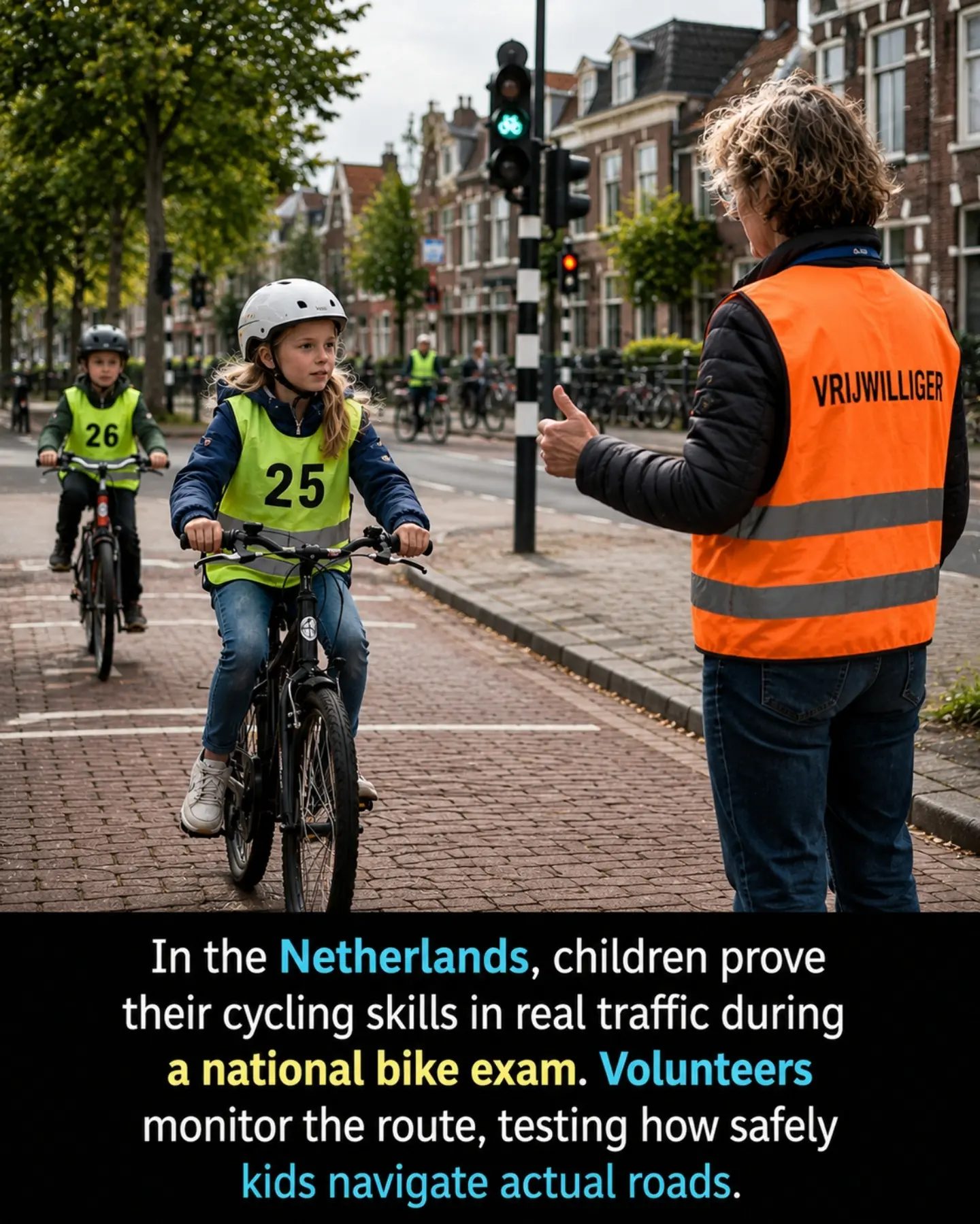
Bike Safety in the Netherlands: Real-World Cycling Skills Exams
Bike safety is paramount, especially for young cyclists. In the Netherlands, a country renowned for its cycling culture, children undergo a structured process to ensure they are well-prepared to navigate real traffic conditions. This involves a national bike skills exam where children demonstrate their ability to ride safely on actual roads, monitored by volunteers.
Context / Why this matters
The Netherlands is often held up as a global leader in cycling infrastructure and safety. For this reason, it offers valuable insights into best practices for promoting safe cycling habits among young people, whether in a country as forward-thinking in cycling or starting out. But the nuances of how Dutch children learn to ride safely on the road offer lessons not just for other countries but for urban planners, parents, and educators. From the design of bike paths to the integration of cycling lessons into the national curriculum, there are many keen lessons to adopt.
Main discussion
The National Bike Skills Exam
The national bike skills exam is a crucial milestone for Dutch children. Typically taken around the ages of 11 or 12, it ensures that young riders are competent and safe on the roads. This exam is not just a theoretical test; it involves real-world scenarios where children must navigate actual traffic conditions. During the exam, volunteers monitor the routes, assessing how safely the children can navigate the streets. For example, the children are monitored by volunteers on brick-paved streets with traffic lights and other cyclists in the background.
Role of Volunteers
Volunteers play a vital role in the exam. They ensure that the routes are safe and that the children are properly assessed. The volunteers are not just passive observers but active participants in the children's learning process. They provide guidance and feedback, helping the children improve their skills and build confidence. This hands-on approach ensures that the children are well-prepared to handle real-world cycling situations.
Safety on Real Roads
One of the key aspects of the Dutch approach is the emphasis on real-world experience. Children do not learn to cycle in isolated environments; they practice on actual roads. This method is designed to create a seamless transition from learning to independent cycling. By experiencing real traffic conditions, children become familiar with the challenges and dangers of cycling in a busy environment. They learn to anticipate obstacles, follow traffic rules, and make safe decisions.
Integration with School Curriculum
Cycling skills are integrated into the Dutch school curriculum, ensuring that children receive consistent and structured training. This integration helps in building a strong foundation for safe cycling habits. The children receive lessons in schools and then practice these lessons on the road. This dual approach ensures that they are well-prepared for the actual exam and for real-world cycling. The curriculum also covers topics such as road safety, traffic rules, and the importance of wearing protective gear.
Practical tips
Choosing the Right Bike
Selecting the right bike is crucial for a child's safety and comfort. Ensure that the bike is the correct size for the child. A bike that is too big or too small can be difficult to control and may lead to accidents. Look for a bike with brakes that are easy to operate and that fits the child’s hand size.
Safety Gear
Protective gear is essential for young cyclists. This includes a well-fitting helmet, knee and elbow pads, and reflective clothing. Make sure the helmet is certified to meet safety standards. Reflective gear is particularly important for visibility, especially in low-light conditions.
Road Safety Lessons
Parents and educators should emphasize road safety lessons. Teach children the importance of following traffic rules, signaling turns, and staying on the designated bike paths. Regular practice and real-world scenarios can help children become more confident and competent cyclists.
Supervised Practice
Supervised practice is key to building cycling skills. Start with quiet, controlled environments like parks or bike paths and gradually introduce more challenging routes. Always accompany younger children on their rides and provide guidance and support.
Bike Maintenance
Regular bike maintenance is crucial for safety. Teach children the basics of bike maintenance, such as checking tire pressure, lubricating chains, and ensuring brakes are in good working order. Regular inspections can prevent mechanical failures and ensure a safe riding experience.
Important takeaways
- Structured Learning: Structured cycling lessons and real-world practice are essential for building safe cycling habits in children.
- Volunteer Support: Community involvement, such as volunteer monitoring, enhances the learning experience and ensures safety.
- Real-World Experience: Practicing on actual roads prepares children for real-world cycling conditions and builds confidence.
- Integrated Curriculum: Integrating cycling skills into the school curriculum ensures consistent and structured training.
- Safety First: Prioritizing safety gear, road rules, and regular maintenance is crucial for safe cycling.
Conclusion
In the Netherlands, the approach to teaching children bike safety is comprehensive and effective. By combining structured lessons, real-world practice, and community involvement, the Dutch model ensures that young cyclists are well-prepared to navigate the roads safely. This holistic approach offers valuable insights for parents, educators, and policymakers worldwide, emphasizing the importance of integrating cycling skills into the broader education system and leveraging community support for a safer cycling culture.
Watch the Reel
Questions readers ask
At what age do children in the Netherlands take their bike exam?
Children in the Netherlands typically take their bike exam when they are 11 or 12 years old. This age is chosen to ensure that children have developed enough physical and cognitive skills to handle real-world cycling.
What does the exam evaluate?
The bike exam evaluates children's practical cycling skills, confidence, and ability to navigate actual traffic on brick streets. It is a real-world test that ensures kids are ready to cycle safely in everyday traffic conditions.
Who oversees the bike exam?
The bike exam is monitored by volunteers, who ensure the safety and fairness of the test. These volunteers are often experienced cyclists who understand the importance of bike safety for children.
What is the bike exam route like?
The bike exam route is designed to mimic real-life cycling scenarios, including intersections, roundabouts, and various road surfaces like brick streets. This helps children gain experience in navigating different traffic situations.
How can I help my child prepare for the bike exam?
To help your child prepare, encourage them to practice cycling in low-traffic areas, and familiarize them with traffic rules and signals. Additionally, ensure they are comfortable with hand signals and know how to safely navigate different road surfaces.
What happens if a child doesn't pass the bike exam?
If a child does not pass the bike exam, they will typically have the opportunity to retake it after additional practice and preparation. The goal is to ensure every child develops the necessary skills to cycle safely.
Why is the bike exam important for cycling in the Netherlands?
The bike exam is a crucial step in promoting bike safety for children in the Netherlands. It ensures that young cyclists are well-prepared to handle real-world traffic conditions, contributing to the country's reputation for excellent cycling infrastructure and safety practices.
Related deep dives
Similar reads based on topic and creator.



Recent articles
Fresh deep dives from the latest Reels we unpacked.




Comments
Be the first to comment.