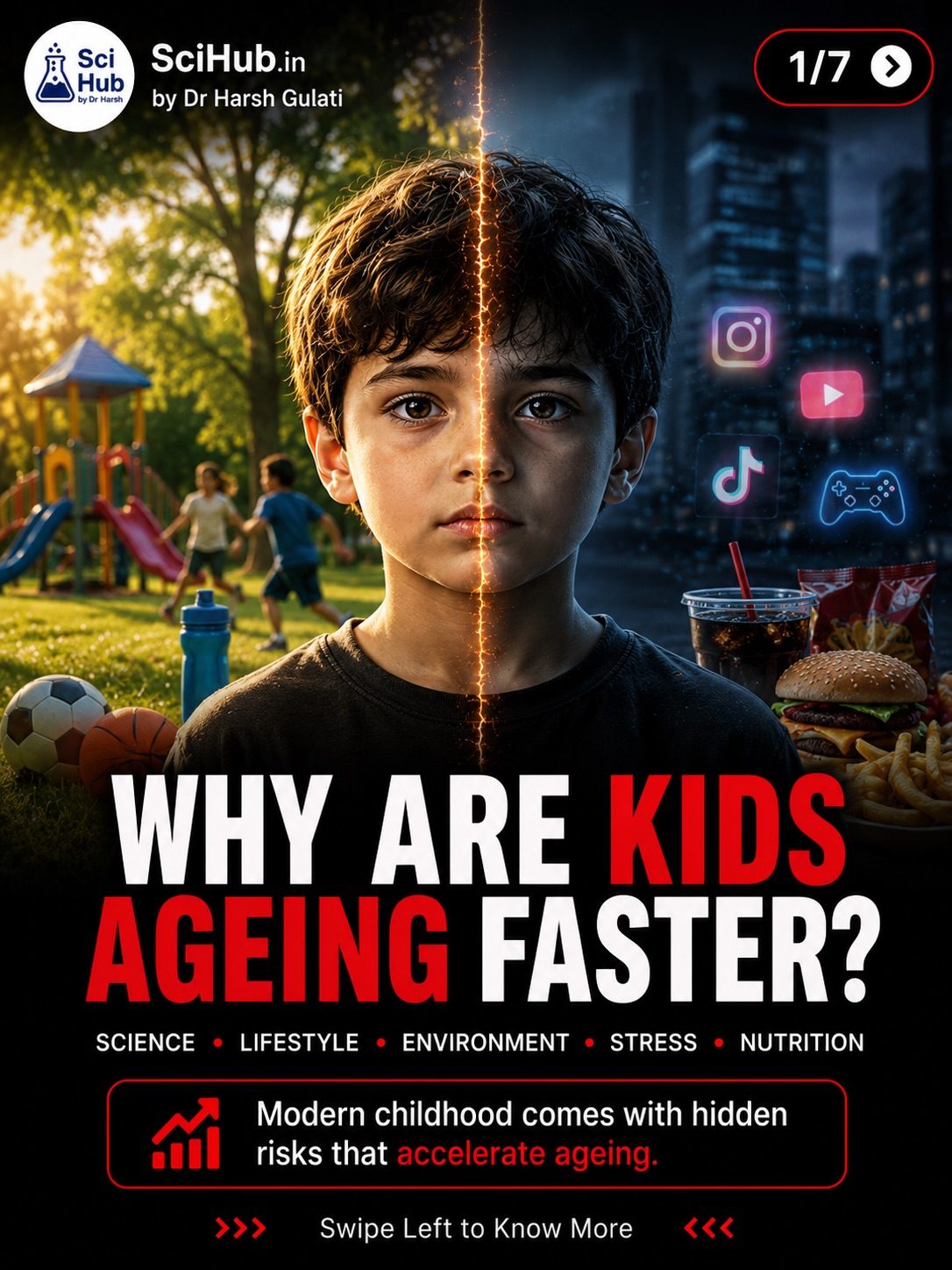
Children Today Age Faster: Factors and Solutions
Modern childhood has been evolving rapidly, and children today appear to be growing up faster. Several lifestyle and environmental factors are contributing to this trend, influencing children’s health and development in significant ways. This article explores these factors and offers practical tips for mitigating their effects.
Why This Matters
Understanding the factors that accelerate aging in children is crucial for promoting better health and overall well-being. Key influences include screen time, stress, sunlight exposure, processed foods, and exposure to plastics. These factors can lead to changes in sleep patterns, metabolism, hormone regulation, and obesity risk, all of which impact long-term health.
Key Factors Influencing Childhood Aging
-
Excessive Screen Time
-
Impact on Children: Increasing screen time has been linked to poor sleep quality, reduced physical activity, and increased sedentary behavior. This can lead to weight gain and other health issues.
-
Recommendations: To combat these effects, it is essential to set limits on screen time. Encourage children to engage in outdoor activities and physical play, which can help maintain a healthy lifestyle.
-
-
Chronic Stress and Lack of Outdoor Play
-
Impact on Children: Chronic stress can affect children's emotional and physical health, while lack of outdoor play can limit opportunities for physical activity and social interaction.
-
Recommendations: Reducing stress through mindfulness practices and encouraging outdoor play can help improve children's overall well-being. Outdoor activities can also boost physical health and emotional resilience.
-
-
Less Outdoor Sunlight
-
Impact on Children: Limited sunlight exposure can disrupt the production of vitamin D, which is essential for bone health and immune function. Inadequate vitamin D levels are linked to weak bones and poor immunity.
-
Recommendations: Encourage safe, regular exposure to sunlight to ensure adequate vitamin D production. This can be as simple as spending 15-20 minutes outdoors, especially during peak sunlight hours.
-
-
Ultra-Processed Foods
-
Impact on Children: Consumption of ultra-processed foods, which often contain high levels of sugar and unhealthy fats, has been linked to childhood obesity. Sugar, in particular, can speed up biological aging by causing inflammation in the body.
-
Recommendations: Opt for whole foods and limit the intake of processed foods. Whole foods provide essential nutrients and help maintain a balanced diet, which is crucial for healthy growth and development.
-
-
Exposure to Plastics
-
Impact on Children: Everyday exposure to plastics, especially those containing endocrine-disrupting chemicals, can affect hormonal balance and contribute to various health issues, including obesity and metabolic disorders.
-
Recommendations: Use safer food and drink containers to minimize exposure to harmful chemicals. Opting for glass, stainless steel, or BPA-free plastics can help reduce the risk.
-
Addressing These Factors
Practical Steps for Parents and Caregivers
-
Encourage Outdoor Play: Limit screen time and promote outdoor activities. Encourage children to engage in physical play and explore their surroundings.
-
Choose Whole Foods: Replace ultra-processed foods with whole foods. This will help ensure a balanced diet and reduce the intake of harmful additives and sugars.
-
Prioritize Quality Sleep: Establish a consistent sleep schedule and create a calming bedtime routine to promote better sleep quality. This can help combat the effects of stress and promote overall well-being.
-
Reduce Unnecessary Screen Time: Set boundaries for screen usage and encourage other activities, such as reading, creative play, or outdoor exploration.
-
Use Safer Food and Drink Containers: Opt for containers made from safer materials to minimize exposure to harmful chemicals. This can help protect children from the adverse effects of endocrine-disrupting chemicals.
Importance of Healthy Habits
Small daily habits can significantly impact children’s health over time. By making conscious choices and promoting healthy behaviors, parents and caregivers can help mitigate the accelerating effects of modern childhood risks.
Important Takeaways
-
Modern Childhood Risks: Factors such as excessive screen time, chronic stress, limited sunlight, processed foods, and plastic exposure can all contribute to accelerated aging in children.
-
Healthy Habits Matter: Encouraging outdoor play, choosing whole foods, prioritizing sleep, reducing screen time, and using safer containers can make a big difference in children’s health.
-
Customized Approaches: While these factors influence children’s health, it's essential to recognize that every child is unique. Tailor these recommendations to suit individual needs and circumstances.
Conclusion
Children today are facing a range of lifestyle and environmental factors that can accelerate aging. By understanding these risks and taking proactive steps, parents and caregivers can help promote better health and overall well-being. Encouraging healthy habits and making informed choices can make a significant difference in supporting children’s growth and development in a rapidly changing world.
Watch the Reel
Questions readers ask
Why do children today seem to be growing up faster?
Children today are experiencing faster physical and emotional growth due to various lifestyle and environmental factors. These include increased screen time, higher stress levels, and changes in diet, which can all impact their overall development and health.
How does screen time affect a child’s aging process?
Excessive screen time can disrupt sleep patterns, reduce physical activity, and increase exposure to blue light, which can all accelerate the aging process in children. Limiting screen time to 1-2 hours per day is recommended for children and teens.
What role does stress play in speeding up a child’s development?
Chronic stress in children can lead to hormonal imbalances, which in turn can affect their growth and development. High-stress levels can also disrupt sleep, increase inflammation, and weaken the immune system, contributing to faster aging.
How does diet influence the aging process in children?
A diet high in processed foods and sugars can lead to obesity, metabolic changes, and hormone imbalances, all of which can accelerate aging. Encouraging a balanced diet with plenty of fruits, vegetables, and whole grains can help mitigate these effects.
What are the impacts of sunlight exposure on child aging?
Prolonged and unprotected exposure to sunlight can cause photoaging, leading to premature skin aging. Additionally, excessive sunlight can disrupt sleep patterns due to changes in melatonin production. Always use sunscreen and protective clothing when outdoors.
How do plastics and chemicals affect children's health and aging?
Exposure to chemicals found in plastics, such as BPA and phthalates, can disrupt hormone regulation and metabolism, contributing to faster aging. Opt for BPA-free products and minimize plastic use to reduce these risks.
What are some practical steps to slow down the aging process in children?
To promote a healthier lifestyle and slow down the aging process, encourage regular physical activity, ensure adequate sleep, limit screen time, and provide a balanced, nutritious diet. Additionally, manage stress levels and reduce exposure to harmful chemicals and excessive sunlight.
Related deep dives
Similar reads based on topic and creator.


Recent articles
Fresh deep dives from the latest Reels we unpacked.




Comments
Be the first to comment.