Childbirth Pain: An Intense Experience
Childbirth is widely known as one of the most intense forms of pain a human can experience. The process involves powerful uterine contractions, cervical dilation, pressure on nerves, and stretching of tissues, all occurring simultaneously. This combination creates a unique type of pain that can last for hours, making it a significant biological and physiological event.
Why This Matters
Understanding the intensity of childbirth pain is crucial for both expectant parents and healthcare providers. It helps in preparing for the experience, managing expectations, and ensuring that appropriate pain management strategies are in place. Additionally, appreciating the body's natural pain management mechanisms can provide reassurance and a sense of empowerment.
The Science Behind Childbirth Pain
Childbirth pain is not just about physical discomfort; it is a complex interplay of various physiological processes. During labor, the body releases a surge of hormones, including endorphins and oxytocin, which act as natural painkillers. These hormones help mothers cope with the intense pain and also facilitate bonding with the newborn. This natural pain management system is one of the remarkable aspects of the human body, allowing it to endure one of the most demanding events in human biology.
Comparing Childbirth Pain
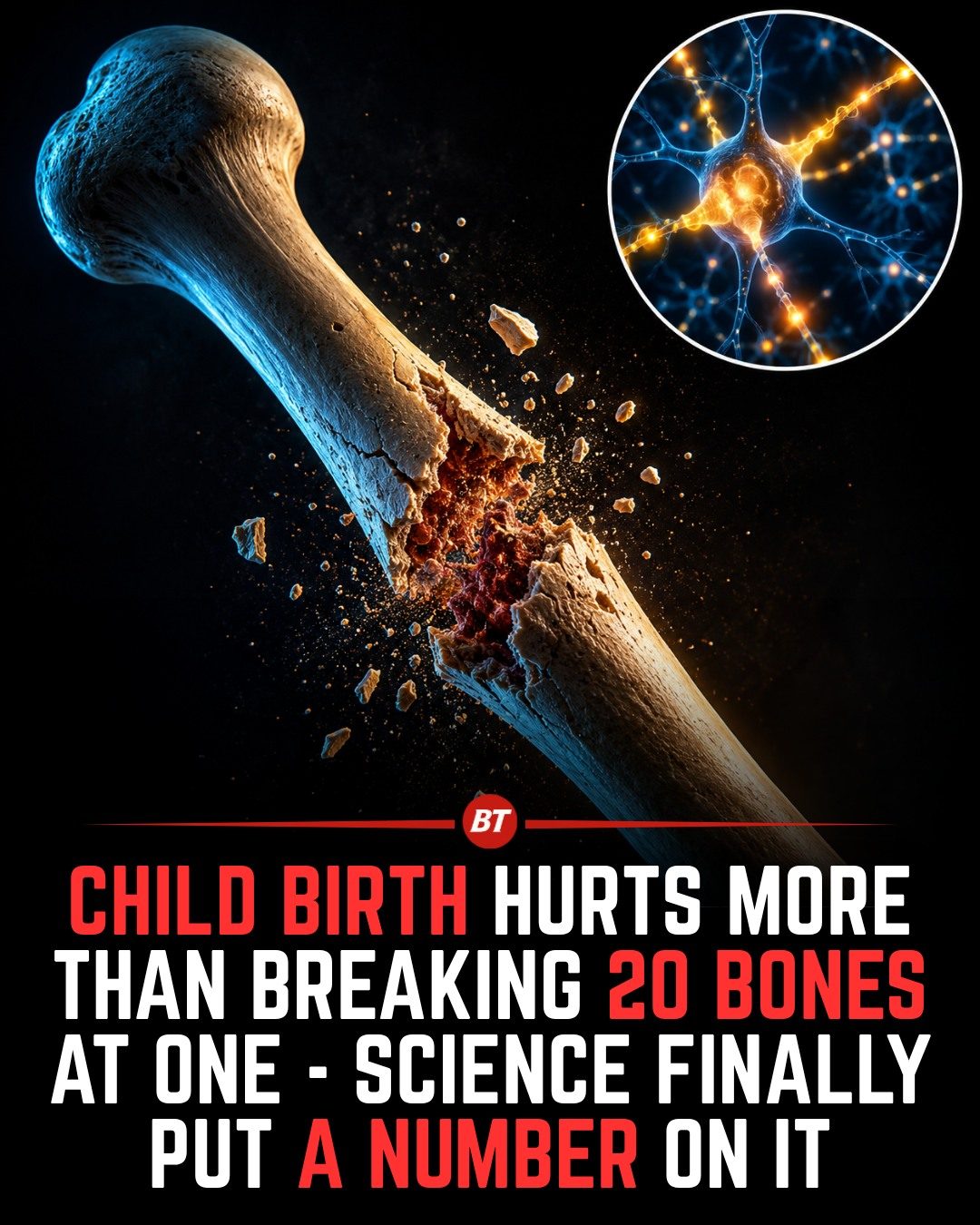
One of the most intriguing comparisons often made is that childbirth pain is more intense than breaking 20 bones simultaneously. While this comparison is popular online, it is important to note that there is no scientific study that has measured pain in this specific way. Pain is highly individual and difficult to compare across different injuries and experiences. However, what researchers do know is that labor pain frequently ranks among the highest scores on clinical pain scales.
The Unique Nature of Labor Pain
Labor pain is unique in several ways. Firstly, it is prolonged and can last for hours, unlike the sudden, sharp pain of a broken bone. Secondly, it involves multiple types of pain—the stretching of tissues, the pressure on nerves, and the powerful contractions of the uterus. This combination makes it a complex and challenging experience.
The Body's Natural Pain Management
One of the most fascinating aspects of childbirth is the body's natural pain management system. During labor, the body releases a cocktail of hormones that help manage the intense pain. Endorphins act as natural painkillers, while oxytocin promotes bonding and emotional well-being. This hormonal response is a testament to the body's remarkable ability to adapt and cope with extreme physical demands.
Practical Tips for Managing Childbirth Pain
While the body has its natural mechanisms for managing pain, there are also several practical approaches that can help:
- Breathing Techniques: Controlled breathing can help manage pain by providing a sense of control and reducing anxiety.
- Positioning: Changing positions frequently can alleviate pressure and discomfort.
- Massage and Touch: Gentle touch and massage can provide relief and a sense of comfort.
- Pain Medication: Discuss with your healthcare provider about the use of pain medication, if necessary.
- Support System: Having a supportive partner, family member, or doula can make a significant difference in managing pain.
Important Takeaways
Childbirth pain is a complex and intense experience that involves multiple physiological processes. The body's natural pain management system, involving hormones like endorphins and oxytocin, is a remarkable adaptation. While comparing childbirth pain to breaking bones may not be scientifically accurate, it highlights the profound nature of the experience. Understanding and preparing for this pain can help expectant parents navigate the process more confidently.
Conclusion
Childbirth is a profound and challenging experience that involves intense pain. The body's natural mechanisms for managing this pain are a testament to its resilience and adaptability. By understanding the science behind childbirth pain and employing practical strategies, expectant parents can better prepare for this significant life event.
Watch the Reel
Questions readers ask
How does the intensity of childbirth pain compare to the pain of broken bones?
The intensity of childbirth pain is unique and prolonged, often ranking high on pain scales. While broken bones can be excruciating, the pain is typically sharp and localized. Childbirth pain, on the other hand, is often described as a deep, relentless ache that can last for hours. Direct comparisons are challenging and unscientific, but understanding these differences can be helpful for those preparing for childbirth.
What makes childbirth pain so intense and prolonged?
Childbirth pain is intense due to powerful uterine contractions, cervical dilation, and the stretching of tissues. This combination of factors creates a unique type of pain that can last for hours. The body’s natural response to these events, including hormonal surges, contributes to the prolonged and intense nature of the experience.
Why is it difficult to compare childbirth pain to other types of pain, such as broken bones?
Comparing childbirth pain to other types of pain, like broken bones, is challenging because it involves a unique combination of factors, including the duration of the pain, the specific body parts involved, and the hormonal changes that occur. The prolonged and continuous nature of childbirth pain makes it distinct from the typically sharp, localized, and short-term pain of a broken bone.
How can understanding childbirth pain help expectant parents?
Understanding the intensity and nature of childbirth pain is crucial for expectant parents as it helps them prepare for the experience and manage their expectations. Knowing what to expect can reduce anxiety and allow parents to explore different pain management strategies with their healthcare providers, ensuring a more informed and supported birthing process.
What natural mechanisms does the body use to manage childbirth pain?
The body has several natural mechanisms to manage the intense pain of childbirth, including the release of endorphins, which act as natural painkillers, and the hormone oxytocin, which can promote a sense of well-being and connection. These mechanisms, along with the support of healthcare providers, can enhance the birthing experience and help women cope with the pain.
Is it possible to reduce the pain of childbirth through preparation?
While it may not be possible to completely eliminate the pain of childbirth, preparation can help reduce discomfort and anxiety. Techniques such as prenatal classes, relaxation exercises, breathing exercises, and pain management strategies, such as massage and hydrotherapy, can provide relief and improve the overall labor experience.
What role do healthcare providers play in managing childbirth pain?
Healthcare providers play a crucial role in managing childbirth pain. They can offer guidance on pain management techniques, administer pain relief medications, and provide emotional support. Their expertise ensures that expectant parents are well-informed and supported, making the birthing process as comfortable and safe as possible.
Related deep dives
Similar reads based on topic and creator.



Recent articles
Fresh deep dives from the latest Reels we unpacked.




Comments
Be the first to comment.