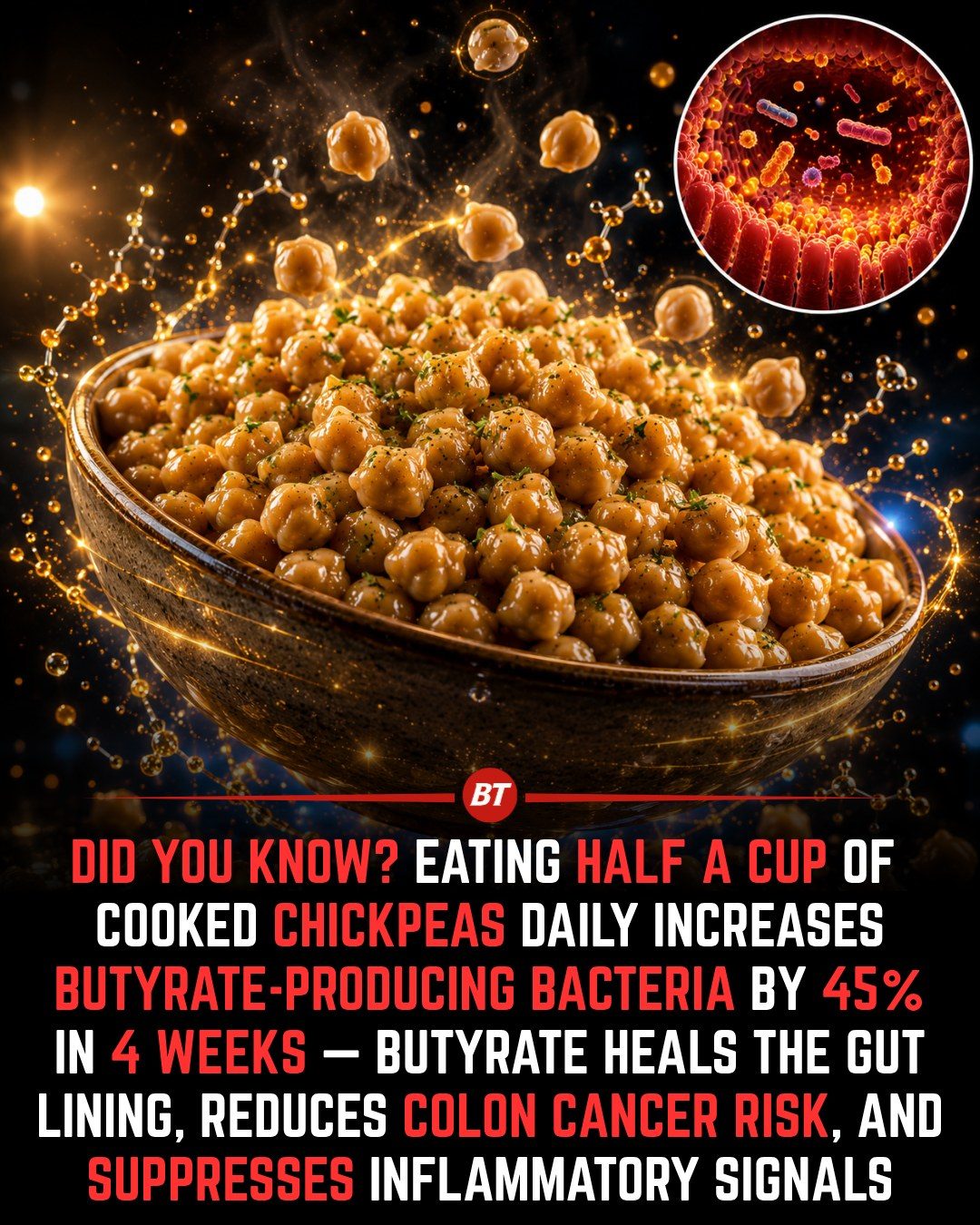
Chickpeas and Gut Health
Chickpeas are a staple in many diets worldwide, and for good reason. These humble legumes pack a powerful nutritional punch, but their benefits extend far beyond basic nutrition. Recent findings highlight chickpeas' role in promoting gut health, particularly through the production of a compound called butyrate. Understanding how chickpeas impact the gut can provide valuable insights into maintaining a healthy digestive system.
Why this matters
Maintaining a healthy gut is crucial for overall well-being. The gut microbiome, a complex ecosystem of microorganisms residing in the digestive tract, plays a vital role in digestion, nutrient absorption, and immune function. Disruptions in this microbiome can lead to various health issues, including inflammatory bowel disease, irritable bowel syndrome, and even certain types of cancer. Incorporating foods that support a healthy gut microbiome can help prevent these issues and promote overall health.
The role of chickpeas in gut health
Fiber and fermentation
Chickpeas are rich in fiber, a type of carbohydrate that the body cannot digest. Unlike many carbohydrates that are broken down in the small intestine, the fiber in chickpeas reaches the colon intact. Here, it is fermented by beneficial gut bacteria, which produce short-chain fatty acids (SCFAs), including butyrate. These SCFAs are essential for maintaining a healthy gut lining and supporting the immune system.
Butyrate production
Butyrate is one of the most important SCFAs produced by gut bacteria. It serves as the primary fuel source for the cells lining the colon, helping to maintain a strong intestinal barrier. This barrier is crucial for preventing harmful bacteria and toxins from entering the bloodstream. Consuming half a cup of cooked chickpeas daily can increase butyrate-producing bacteria by 45% in just four weeks, highlighting the significant impact of chickpeas on gut health.
Health benefits of butyrate
Gut healing
Butyrate plays a crucial role in healing the gut lining. It helps to maintain the integrity of the intestinal barrier, allowing nutrients to be absorbed efficiently while keeping harmful substances at bay. A healthy gut lining is essential for preventing leaky gut syndrome, a condition in which undigested food particles and toxins "leak" through the intestinal wall and enter the bloodstream, triggering inflammation and other health issues.
Reduced colon cancer risk
Research has shown that butyrate may help reduce the risk of colon cancer. It does this by suppressing inflammatory signals and promoting the growth of healthy cells in the colon. While chickpeas are not a cure for cancer, regularly consuming fiber-rich legumes like chickpeas can help support a healthier gut microbiome, reducing the risk of colon cancer and other digestive disorders.
Suppression of inflammatory signals
Inflammation is a natural response to injury or infection, but chronic inflammation can lead to various health issues, including autoimmune diseases and cancer. Butyrate helps to regulate inflammation by suppressing inflammatory signals in the gut. This anti-inflammatory effect can help support a balanced immune system and promote overall health.
Practical tips for incorporating chickpeas into your diet
Adding chickpeas to your diet is simple and delicious. Here are some practical tips for incorporating these versatile legumes into your meals:
Salads and grain bowls
Chickpeas make an excellent addition to salads and grain bowls. They add a satisfying crunch and a boost of protein and fiber. Toss them into your favorite salad or grain bowl for a nutritious and filling meal.
Soups and stews
Chickpeas are a great source of plant-based protein and can be added to soups and stews for extra nutrition. They pair well with various flavors and can be used in both vegetarian and non-vegetarian dishes.
Hummus
Hummus is a popular Middle Eastern dip made from blended chickpeas, tahini, garlic, and lemon juice. It's a delicious and nutritious snack that can be enjoyed with vegetables, pita bread, or crackers. Making your own hummus at home allows you to control the ingredients and customize the flavor to your liking.
Important takeaways
- Chickpeas are an excellent source of fiber that reaches the colon intact, where it is fermented by beneficial gut bacteria to produce butyrate.
- Butyrate is a crucial short-chain fatty acid that supports gut health by healing the gut lining, reducing colon cancer risk, and suppressing inflammatory signals.
- Consuming half a cup of cooked chickpeas daily can increase butyrate-producing bacteria by 45% in just four weeks.
- Incorporating chickpeas into your diet can help support a healthy gut microbiome and promote overall well-being.
Conclusion
Chickpeas are a powerhouse of nutrition that offers numerous benefits for gut health. Their high fiber content promotes the production of butyrate, a vital compound for maintaining a healthy gut lining, reducing colon cancer risk, and regulating inflammation. By incorporating chickpeas into your diet, you can support a healthier gut microbiome and promote overall well-being. Whether you enjoy them in salads, soups, or hummus, chickpeas are a versatile and delicious addition to any meal.
Watch the Reel
Questions readers ask
How do chickpeas contribute to gut health?
Chickpeas support gut health by producing short-chain fatty acids, like butyrate, through fermentation. These fatty acids fuel colon cells and strengthen the intestinal barrier, promoting a healthy gut environment.
What is butyrate and why is it important for colon protection?
Butyrate is a short-chain fatty acid produced by the fermentation of chickpeas in the gut. It is a primary energy source for colon cells, helping maintain their health and supporting a strong intestinal barrier, which is crucial for colon protection.
How do chickpeas support the growth of beneficial gut bacteria?
Chickpeas are rich in fiber, which serves as a food source for beneficial gut bacteria. By consuming chickpeas regularly, you encourage the growth of these beneficial bacteria, fostering a more balanced and robust gut microbiome.
Can eating chickpeas help reduce the risk of colon cancer?
Yes, regular consumption of chickpeas may help reduce the risk of colon cancer. The butyrate produced from chickpeas can inhibit the growth of cancerous cells in the colon and reduce inflammation, contributing to colon cancer prevention.
What are the benefits of including one cup of cooked chickpeas in my daily diet?
Including one cup of cooked chickpeas in your daily diet provides a significant amount of fiber, which supports gut health by promoting regular bowel movements and feeding beneficial gut bacteria. Additionally, it contributes to the production of butyrate, aiding in colon protection and overall gut health.
How do chickpeas compare to other legumes in promoting gut health?
Chickpeas are notable for their high fiber content and their ability to produce butyrate, which is beneficial for gut health. While other legumes may also offer gut health benefits, chickpeas stand out due to their specific role in butyrate production and colon protection.
Related deep dives
Similar reads based on topic and creator.




Recent articles
Fresh deep dives from the latest Reels we unpacked.




Comments
Be the first to comment.