Chickpea Pasta Benefits
Chickpea pasta is a remarkable, nutrient-dense alternative to traditional wheat pasta. It offers a host of benefits that can significantly enhance the nutritional value of your meals. Made primarily from chickpeas, this pasta variety is naturally rich in plant protein, fiber, iron, magnesium, and complex carbohydrates.
Why This Matters
In today's health-conscious world, people are constantly seeking ways to make their diets more nutritious without sacrificing taste or convenience. Chickpea pasta provides a solution that aligns with many dietary goals, such as increasing protein intake, supporting gut health, and promoting overall well-being.
Main Discussion
Nutritional Content
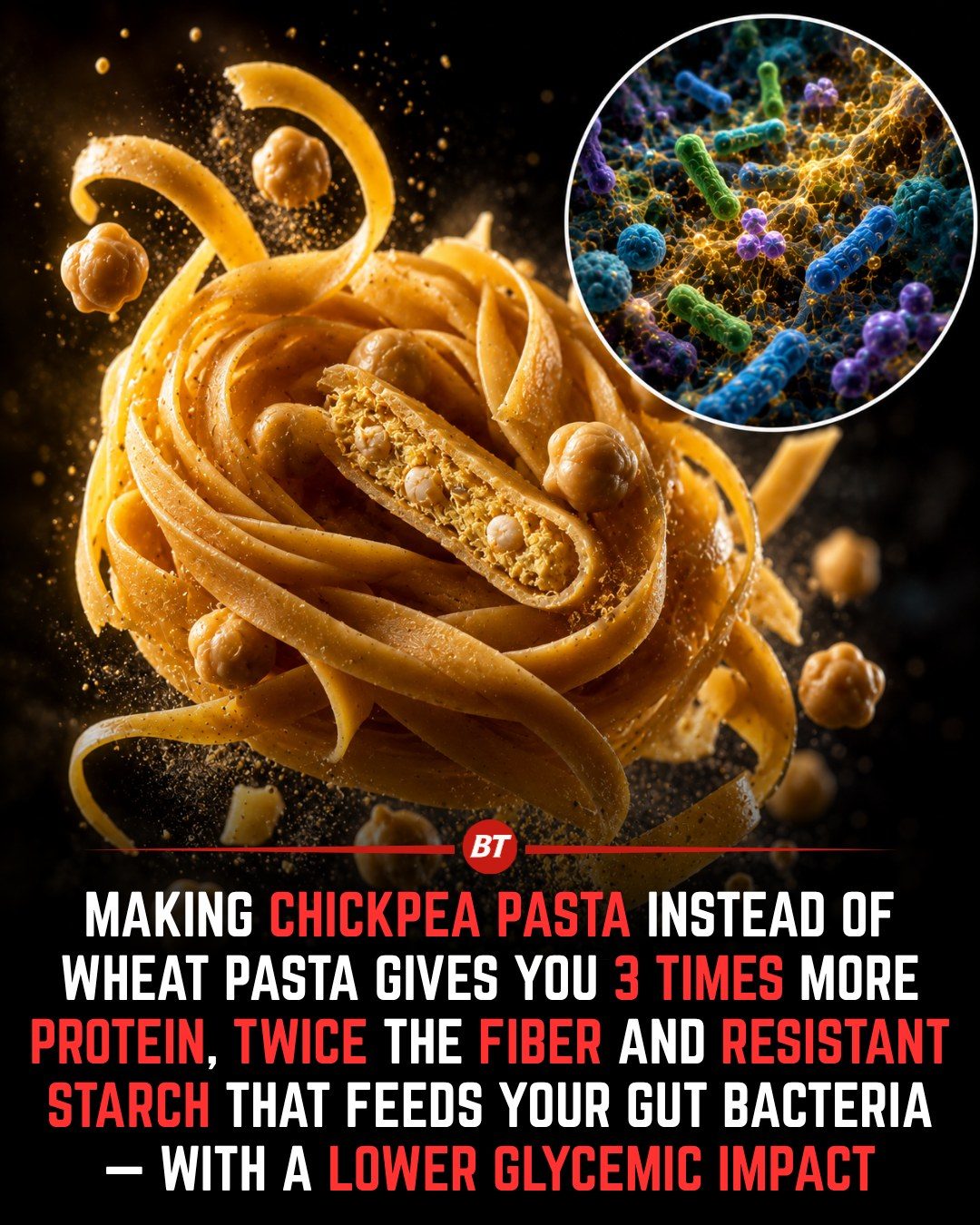
Chickpea pasta stands out due to its impressive nutritional profile. It contains up to three times more protein and twice the fiber than traditional wheat pasta. This makes it an excellent choice for those looking to boost their protein and fiber intake through simple, food substitutions.
Protein
A primary advantage of chickpea pasta is its high protein content. Protein is essential for muscle maintenance and repair, making chickpea pasta a valuable addition to the diets of athletes and those looking to maintain or build muscle mass. Each serving of chickpea pasta provides a significant amount of plant-based protein, which can help support a balanced diet.
Fiber
Fiber is another critical component of chickpea pasta. High-fiber foods are known for promoting digestive health and supporting a healthy gut environment. Chickpeas contain both soluble fiber and resistant starch, which act as fuel for beneficial gut bacteria. When these fibers reach the colon, they are fermented by microbes, producing compounds that further support digestive health.
Benefits for Gut Health
The gut bacteria play a crucial role in overall health, and chickpea pasta supports these beneficial bacteria through its resistant starch content. Resistant starch feeds gut bacteria, promoting a healthier gut environment. This can lead to improved digestive function and a reduced risk of digestive issues.
Glycemic Impact
Chickpea pasta has a lower glycemic impact compared to traditional wheat pasta. This means it is digested more slowly, which can help promote steadier energy levels and a more gradual rise in blood sugar after meals. This makes it a suitable option for those managing blood sugar levels or looking to maintain stable energy throughout the day.
Comparison to Traditional Pasta
When compared to traditional wheat pasta, chickpea pasta offers a more nutrient-dense alternative. It provides a higher amount of protein and fiber, which can contribute to a more satisfying and balanced meal. This makes it a good choice for those looking to enhance the nutritional value of their meals without sacrificing the comfort and convenience of pasta.
Versatility
One of the best aspects of chickpea pasta is its versatility. It can be used in any recipe that calls for traditional pasta, making it easy to incorporate into your diet. Whether you prefer a classic tomato sauce, a creamy pesto, or a hearty vegetable stir-fry, chickpea pasta can be a delicious and nutritious base for your favorite dishes.
Practical Tips
How to Incorporate Chickpea Pasta into Your Diet
To enjoy the benefits of chickpea pasta, simply use it as a substitute for traditional pasta in your favorite recipes. Follow the cooking instructions on the package, which are similar to those for regular pasta. Pair it with olive oil, vegetables, lean protein, pesto, or tomato sauce for a balanced meal that delivers more protein, more fiber, and greater satiety with every bite.
Pairing Ideas
Chickpea pasta pairs well with a variety of ingredients. Try pairing it with:
- Olive oil and garlic for a simple, flavorful dish.
- Fresh vegetables like spinach, bell peppers, and zucchini for added nutrients.
- Lean proteins such as grilled chicken, tofu, or shrimp for a protein-packed meal.
- Pesto or tomato sauce for a classic pasta experience with a nutritious twist.
Cooking Tips
When cooking chickpea pasta, it is essential to follow the package instructions to avoid overcooking. Overcooking can make the pasta mushy and less enjoyable. Additionally, be mindful of the cooking time, as chickpea pasta may require less time to cook than traditional pasta.
Important Takeaways
Chickpea pasta offers a variety of benefits, including:
- Higher protein content, which supports muscle maintenance and repair.
- Increased fiber, which supports digestive health and a healthy gut environment.
- Lower glycemic impact, which promotes steadier energy levels and a more gradual rise in blood sugar.
By incorporating chickpea pasta into your diet, you can enhance the nutritional value of your meals and enjoy the comfort and convenience of pasta.
Conclusion
Chickpea pasta is a nutritious and versatile alternative to traditional wheat pasta. Its high protein and fiber content, along with its benefits for gut health and lower glycemic impact, make it an excellent choice for those looking to support their overall well-being. Whether you are an athlete, a health-conscious individual, or simply someone who enjoys a good bowl of pasta, chickpea pasta offers a delicious and nutritious option. Give it a try and experience the benefits for yourself.
Watch the Reel
Questions readers ask
How does chickpea pasta compare to traditional wheat pasta in terms of nutrition?
Chickpea pasta is typically higher in protein and fiber than traditional wheat pasta. While traditional wheat pasta might have slightly more carbohydrates, chickpea pasta offers more resistant starch, which can support better gut health.
What are the benefits of resistant starch in chickpea pasta?
Resistant starch in chickpea pasta acts like fiber in the body, promoting a healthy gut microbiome, and improving digestion. It also helps maintain stable blood sugar levels and can aid in weight management by increasing feelings of fullness.
Can chickpea pasta help with muscle maintenance?
Yes, chickpea pasta is an excellent source of plant-based protein. A single serving can provide a substantial amount of protein, essential for muscle maintenance, repair, and growth. This means it's a great post-workout meal option.
Is chickpea pasta suitable for those with dietary restrictions?
Chickpea pasta is gluten-free, making it a suitable alternative to wheat pasta for those with celiac disease or gluten sensitivity. It's also a good option for vegetarians and vegans looking to increase their protein intake.
What are some creative ways to incorporate chickpea pasta into meals?
Chickpea pasta offers a variety of meal options. You can use it in traditional pasta dishes like spaghetti Bolognese, or try it in cold salads, stir-fries, and even in soups. Its neutral taste makes it a versatile ingredient that can be paired with many different flavors.
How can chickpea pasta support gut health?
Chickpea pasta is an excellent source of fiber, which is crucial for maintaining a healthy gut. The high fiber content supports regular bowel movements and promotes a diverse gut microbiota. Moreover, the resistant starch in chickpea pasta acts as a prebiotic, feeding beneficial gut bacteria.
Does chickpea pasta have a significant impact on blood sugar levels?
Chickpea pasta has a lower glycemic index compared to traditional wheat pasta. This means it causes a slower and lower rise in blood sugar levels, making it a better choice for those looking to manage their blood sugar levels or for those with type 2 diabetes.
Recent articles
Fresh deep dives from the latest Reels we unpacked.




Comments
Be the first to comment.