Chicken Processing: Antimicrobial Treatments in the U.S. vs. Europe
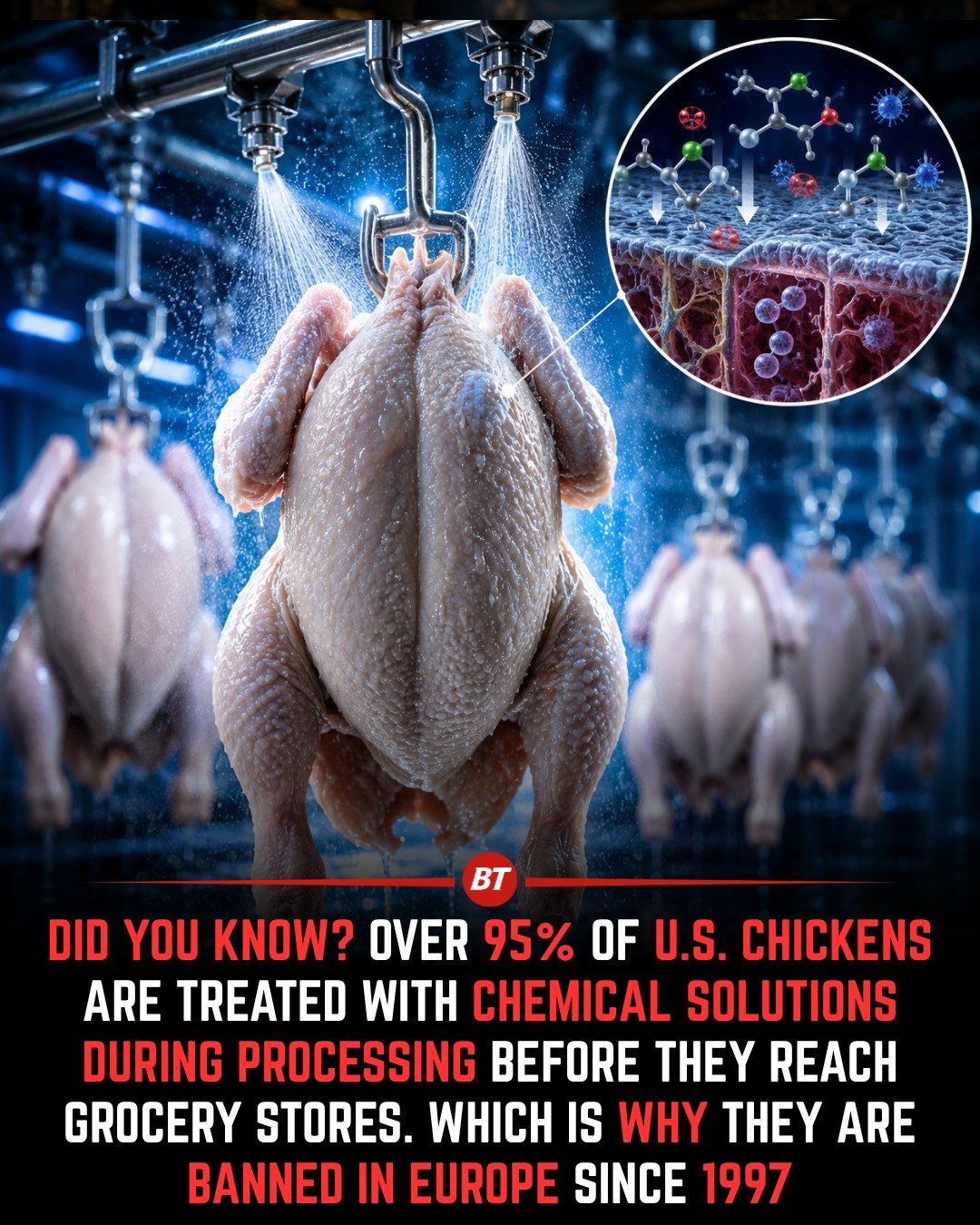
Over 95% of chickens processed in the U.S. are treated with antimicrobial solutions before reaching grocery stores. This practice is a standard part of the food safety protocol in the United States, but it contrasts sharply with the approach taken in Europe. Understanding the differences between these two food safety strategies provides insight into the complexities of food processing and public health.
Context / Why This Matters
Food safety is a critical concern for consumers and regulators alike. The methods used to ensure that poultry products are safe for consumption can vary significantly between countries. The U.S. and European Union (EU) have taken different approaches to achieving food safety, each with its own set of benefits and considerations. These differences highlight the debate over the best practices for ensuring public health and food safety.
Main Discussion
Antimicrobial Treatments in the U.S.
In the United States, the use of antimicrobial solutions is a widely accepted practice in chicken processing. After chickens are slaughtered and cleaned, processing plants typically rinse or mist the carcasses with approved antimicrobial solutions. The goal is to reduce harmful bacteria such as Salmonella and Campylobacter, which can cause foodborne illnesses. Common antimicrobial treatments include peracetic acid, chlorine-based rinses, and other approved agents.
These treatments are considered safe and effective by the U.S. Department of Agriculture (USDA), which regulates their use. The rationale behind this approach is that antimicrobial rinses can significantly reduce bacterial contamination on the surface of the chicken carcasses, making them safer for consumers.
The European Approach
The European Union takes a different approach to food safety. Rather than relying on antimicrobial rinses during processing, EU regulations emphasize preventing contamination throughout the entire production chain. This "farm-to-fork" strategy aims to ensure that contamination is minimized at every step, from the farm and feed to transport, slaughter, and packaging.
Because of this comprehensive approach, the EU has largely prohibited the use of most antimicrobial rinses in poultry processing since 1997. The European Commission argues that food safety should begin long before the final processing step, focusing on preventing contamination earlier in the production process. This philosophy prioritizes hygiene and biosecurity measures to reduce the risk of bacterial contamination from the outset.
Practical Tips
Regardless of where your chicken comes from, it's essential to follow safe food handling practices to minimize the risk of foodborne illness. Here are some practical tips to keep in mind:
- Cook Thoroughly: Ensure that chicken is cooked to an internal temperature of 165°F (74°C) to kill any harmful bacteria.
- Avoid Cross-Contamination: Use separate cutting boards and utensils for raw and cooked foods. Wash hands thoroughly after handling raw chicken.
- Wash Utensils: Clean and sanitize all utensils, cutting boards, and countertops that come into contact with raw chicken.
- Refrigerate Properly: Store raw chicken in the refrigerator at temperatures below 40°F (4°C) to inhibit bacterial growth.
- Check Labels: Be aware of the processing methods used by different suppliers if you have specific concerns or preferences.
Important Takeaways
The differences in chicken processing between the U.S. and Europe highlight two distinct philosophies on food safety:
- The U.S. approach focuses on reducing bacterial contamination during the processing stage through the use of antimicrobial solutions.
- The EU approach emphasizes preventing contamination at every step of the production chain, from farm to fork.
Both systems are designed to reduce foodborne illness, but they reflect different strategies for achieving this goal. Understanding these differences can help consumers make informed choices and follow best practices for food safety.
Conclusion
The treatment of chickens with antimicrobial solutions in the U.S. versus the prohibition of such practices in Europe reflects a broader debate on food safety strategies. While the U.S. prioritizes reducing bacteria during processing, Europe focuses on preventing contamination throughout the entire production chain. Both approaches aim to ensure public health and food safety, but they do so in fundamentally different ways. By understanding these distinctions, consumers can better navigate the complexities of food safety and make informed decisions about the products they purchase and consume.
Watch the Reel
Questions readers ask
Why does the U.S. use antimicrobial treatments on chicken?
The U.S. employs antimicrobial treatments on chicken as a standard food safety measure. This process involves rinsing chickens with antimicrobial solutions to reduce bacteria before they reach grocery stores. The U.S. Food and Drug Administration (FDA) and the United States Department of Agriculture (USDA) have approved these treatments to enhance public health and safety.
What is Europe's approach to chicken processing?
Europe prioritizes prevention and hygiene standards for food safety. European regulations focus on preventing contamination at every stage of production, from farm to table. This includes strict hygiene measures and regular inspections, rather than relying on antimicrobial treatments post-processing.
When did the U.S. start using antimicrobial treatments on chicken?
The U.S. has been using antimicrobial treatments on chicken since the 1990s. The widespread use of these treatments has been a key part of the U.S. approach to food safety since that time, aiming to reduce foodborne illnesses.
How do European chicken safety measures compare to the U.S.?
European chicken safety measures differ from the U.S. by emphasizing prevention and hygiene. European regulations mandate stringent hygiene practices and regular inspections throughout the production process. This contrasts with the U.S. approach, which focuses on reducing bacteria through antimicrobial treatments post-processing.
Are antimicrobial treatments used in European chicken processing?
Antimicrobial treatments are not widely used in European chicken processing. Europe's food safety strategy relies more on preventive measures and maintaining high hygiene standards throughout the production process, rather than applying antimicrobial solutions to chicken after processing.
What are the key differences in chicken processing between the U.S. and Europe?
The primary differences lie in the use of antimicrobial treatments and the focus on prevention. The U.S. heavily relies on antimicrobial solutions to reduce bacteria in chicken, while Europe emphasizes proactive measures and hygiene standards to prevent contamination in the first place.
How do U.S. and European chicken safety approaches impact food safety solutions?
The U.S. approach focuses on reducing bacteria through antimicrobial treatments post-processing, while Europe's approach aims to prevent contamination through hygiene and regulation. Both approaches seek to ensure food safety, but they do so through different methods and stages of the production process.
Related deep dives
Similar reads based on topic and creator.

Recent articles
Fresh deep dives from the latest Reels we unpacked.




Comments
Be the first to comment.