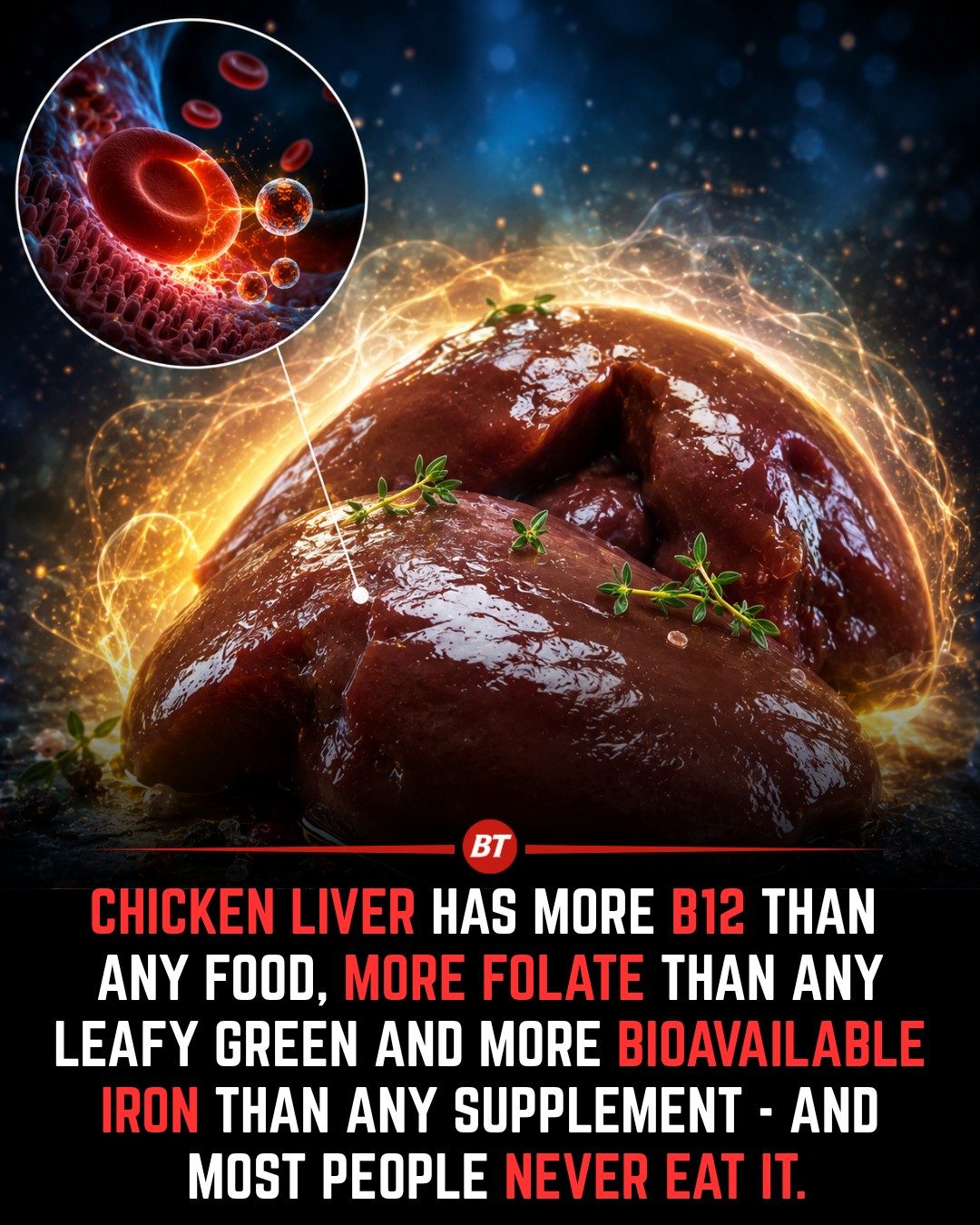
Chicken liver is a nutrient powerhouse, yet many people overlook it as a crucial addition to their diet. This organ meat is densely packed with essential vitamins and minerals.
The Nutritional Power of Chicken Liver
Vitamin B12
Vitamin B12 is crucial for the production of red blood cells, maintaining healthy nerves, and supporting DNA production. The liver has more vitamin B12 than almost any other commonly consumed food. This makes it an excellent source for people at risk of B12 deficiency, including older adults and those who avoid meat. Eating chicken liver regularly can provide the daily B12 requirement.
Folate
Chicken liver is also rich in folate, which is essential for building new cells and producing healthy DNA. Together, folate and vitamin B12 support red blood cell formation and help regulate homocysteine levels, which are linked to cardiovascular health.
Bioavailable Iron
Chicken liver is a top source of highly bioavailable heme iron. Unlike many iron supplements or plant-based sources, the iron in chicken liver is easily absorbed by the body. This is particularly important for individuals who need to boost their iron intake. Including chicken liver in your diet can help maintain energy levels and support your overall health.
Why It Matters
Chicken liver is often overlooked in favor of leaner meats, but it offers a unique nutritional profile that can significantly benefit health. In today's fast-paced world, getting enough nutrients from everyday foods can be a challenge. Adding chicken liver to your diet can help meet nutritional needs without much difficulty. It can be a game-changer for those looking to optimize their nutrient intake.
Essential Nutrients Beyond B12, Folate, and Iron
Beyond its impressive levels of B12, folate, and iron, chicken liver offers a wealth of other essential nutrients. It's a rich source of vitamin A, choline, riboflavin, copper, and selenium. These nutrients support various bodily functions, including vision, brain health, and immune function.
Moderating Consumption
While chicken liver is highly nutritious, it's advisable to consume it in moderation. It is also very high in preformed vitamin A, which, if consumed in excess, can lead to toxicity, especially during pregnancy. Therefore, enjoying it once or twice a week is a good strategy.
Practical Tips for Incorporating Chicken Liver into Your Diet
Sautéing with Onions and Garlic
Sautéing chicken liver with onions, garlic, and herbs is a simple and delicious way to enjoy its nutritional benefits. This method enhances the flavor and can make it more appealing to those who might be hesitant to try it. Plus, it pairs well with a variety of dishes, from salads to sandwiches.
Blending into Meatballs or Burgers
For a more subtle approach, blend small amounts of chicken liver into meatballs or burgers. This way, you can increase your nutrient intake without altering the taste or texture of your favorite dishes significantly. It is a discreet way to boost nutrition.
Incorporating with Other Vegetables
Chicken liver can also be enjoyed with other vegetables. Roasting it with a variety of vegetables can create a nutrient-dense meal that’s both flavorful and satisfying. The combination of different textures and flavors can make chicken liver more enjoyable.
Important Takeaways
Nutrient Density
Chicken liver stands out for its nutrient density, offering a wide range of essential vitamins and minerals in a single serving. This makes it an excellent addition to any diet, especially for those looking to boost their nutrient intake without adding extra calories.
Versatility
From sautéing to blending, there are many creative ways to incorporate chicken liver into your meals. Its versatility allows it to fit seamlessly into various recipes, making it easy to enjoy its benefits.
Health Benefits
The health benefits of chicken liver are numerous. Its rich content of B12, folate, and bioavailable iron supports various bodily functions, from red blood cell production to nerve health and DNA synthesis. It also provides a rich source of other essential nutrients, making it a true superfood.
Conclusion
Chicken liver is a nutrient-dense food that often gets overlooked. Its rich content of vitamin B12, folate, and bioavailable iron makes it a valuable addition to any diet. Whether sautéed with onions and garlic, blended into meatballs, or roasted with vegetables, incorporating chicken liver into your meals can significantly boost your nutritional intake.
Watch the Reel
Questions readers ask
What makes chicken liver a great source of iron?
Chicken liver is an excellent source of iron due to its high concentration and the form of iron it contains. It is rich in heme iron, which is more readily absorbed by the body compared to non-heme iron found in plant-based foods. This makes chicken liver a great food choice for those with anemia or at risk of iron deficiency.
Why is chicken liver beneficial for maintaining nerve health?
Chicken liver is a rich source of vitamin B12, which plays a crucial role in maintaining the health of the nervous system. Adequate vitamin B12 intake supports the production of myelin, a protective sheath around nerves, and helps prevent nerve damage. This makes chicken liver a valuable food for nerve health.
How does chicken liver support red blood cell production?
Chicken liver supports red blood cell production through its high content of vitamin B12 and folate. These nutrients work together to promote the formation of red blood cells and prevent anemia. Vitamin B12 is essential for red blood cell maturation, while folate aids in DNA synthesis, which is crucial for cell division and growth.
Who can benefit most from consuming chicken liver?
Chicken liver can be particularly beneficial for individuals at risk of nutrient deficiencies, such as older adults, vegetarians, and those with restrictive diets. Its high content of bioavailable iron, vitamin B12, and folate makes it an excellent food choice for supporting overall health and preventing conditions like anemia.
What are some of the best ways to incorporate chicken liver into my diet?
There are numerous delicious ways to include chicken liver in your meals. You can sauté it with onions and garlic, add it to stews or soups, or even blend it into pâté. For a healthier option, try dehydrating it for a snack, which can mimic jerky. Whatever the preparation, chicken liver can add a boost of essential nutrients to your daily intake.
Why is chicken liver often overlooked as a superfood?
Despite its impressive nutritional profile, chicken liver is often overlooked due to misconceptions about organ meats and personal tastes. However, its dense nutrient content, including high levels of vitamin B12, iron, and folate, makes it a valuable addition to any diet. Exploring different recipes can help you discover new ways to enjoy chicken liver.
Related deep dives
Similar reads based on topic and creator.




Recent articles
Fresh deep dives from the latest Reels we unpacked.




Comments
Be the first to comment.