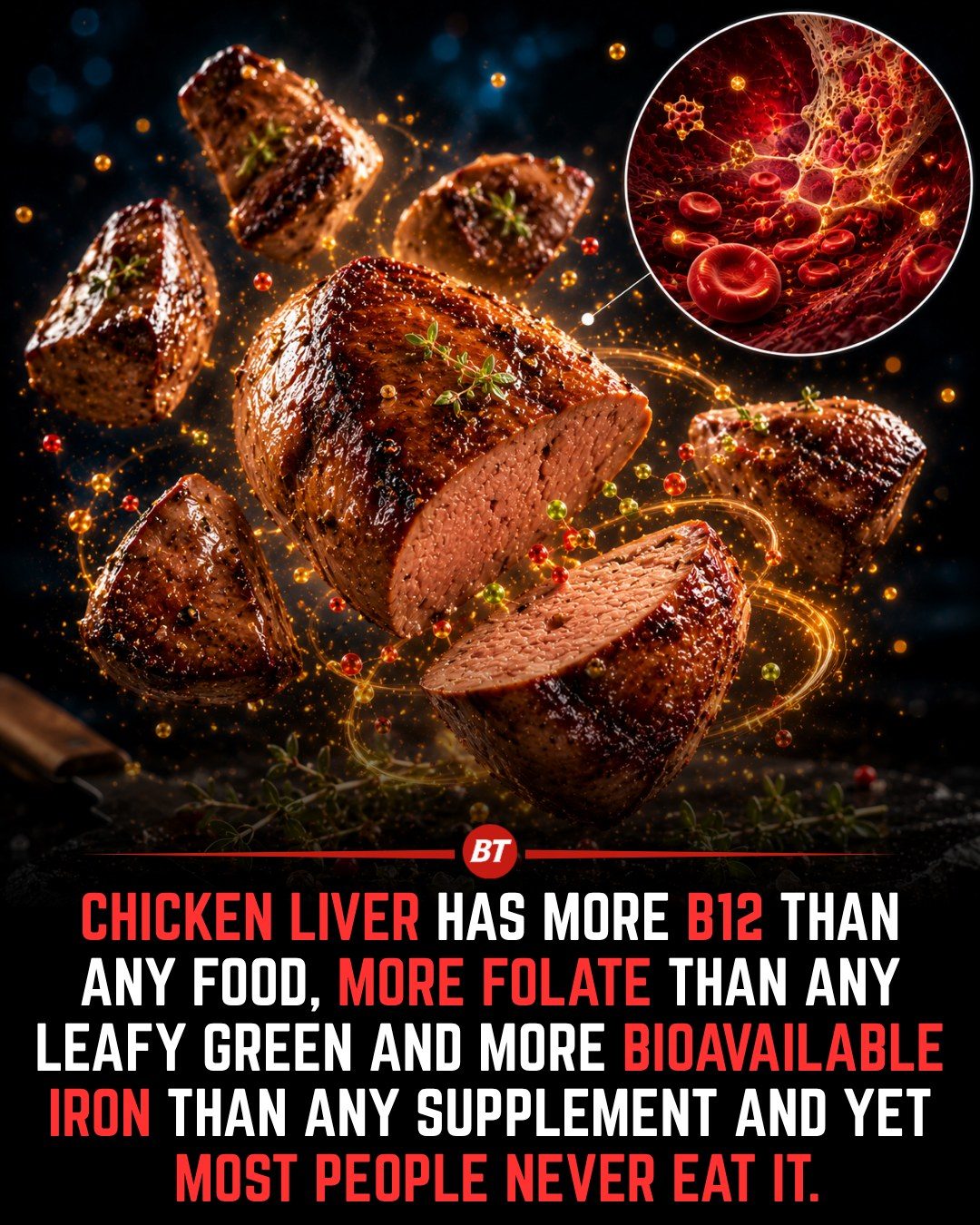
Chicken Liver: A Nutrient Powerhouse
Chicken liver is a nutrient powerhouse, offering a wealth of essential vitamins and minerals in a single, small serving. Despite its superb nutritional profile, chicken liver remains one of the least-eaten foods in modern diets, often overshadowed by more popular protein sources.
Why This Matters
Understanding the benefits of chicken liver can transform how you approach meal planning. Incorporating this nutrient-dense food into your diet can provide a significant boost in key vitamins and minerals, supporting overall health and well-being.
Nutritional Profile
Vitamin B12
Chicken liver is an exceptional source of vitamin B12, providing more of this crucial nutrient than any other food. A single serving can supply many times the daily requirement for vitamin B12, which is essential for red blood cell production, healthy nerves, DNA synthesis, and normal brain function.
Folate
In addition to vitamin B12, chicken liver is one of the richest natural sources of folate (vitamin B9). Folate plays a pivotal role in supporting cell growth, healthy pregnancy, and the formation of new DNA. The folate in chicken liver is highly bioavailable, meaning it is easily absorbed and utilized by the body.
Bioavailable Iron
Unlike the non-heme iron found in most plant foods, chicken liver provides heme iron, the form your body absorbs most efficiently. Heme iron is crucial for transporting oxygen throughout the body and helps reduce the risk of iron-deficiency anemia, particularly in individuals with increased iron needs, such as pregnant women and athletes.
Vitamin A and Choline
Chicken liver also offers a substantial amount of vitamin A, specifically retinol, which supports vision, immune health, and healthy skin. Additionally, it is an outstanding source of choline, a nutrient that helps the liver produce phosphatidylcholine. This, in turn, aids in transporting fat out of liver cells and supports normal liver function.
Health Benefits
Red Blood Cell Production
The high content of vitamin B12 and heme iron in chicken liver supports the production of red blood cells, which are responsible for carrying oxygen to all parts of the body. This makes chicken liver an excellent choice for individuals at risk of anemia or those with increased iron needs.
Brain Health
Vitamin B12 is crucial for maintaining healthy brain function and nerve health. Incorporating chicken liver into your diet can help support cognitive function and reduce the risk of neurological disorders.
Pregnancy Support
Folate is particularly important for pregnant women, as it supports the growth and development of the fetus. The high folate content in chicken liver makes it a valuable addition to a prenatal diet, helping to prevent birth defects and support a healthy pregnancy.
Liver Health
Choline in chicken liver aids in the production of phosphatidylcholine, which helps transport fat out of liver cells. This process supports normal liver function and can help prevent the accumulation of fat in the liver, which is a common issue in many modern diets.
Practical Tips
How to Incorporate Chicken Liver into Your Diet
Chicken liver can be prepared in various ways to suit different tastes and preferences. Here are a few suggestions to help you incorporate this nutrient-dense food into your meals:
Sautéed with Onions, Garlic, and Herbs
One of the simplest and most flavorful ways to enjoy chicken liver is by sautéing it with onions, garlic, and herbs. This method enhances the liver's natural flavors and makes it more palatable for those who might be new to its taste.
Blended into Ground Meat
A more subtle way to incorporate chicken liver into your diet is by blending a small amount into ground beef, turkey, or other ground meats when making burgers, meatballs, or pasta sauce. This method adds a nutritional boost without significantly altering the taste or texture of the dish.
Paté
Chicken liver can also be blended into a smooth pâté with herbs, spices, and a bit of cream or butter. This can be spread on crackers or bread for a delicious and nutritious snack or appetizer.
Tips for Enjoyment
- Moderation: Because liver is extremely rich in vitamin A, it's best enjoyed in moderation, especially during pregnancy. Consult a healthcare professional for personalized advice.
- Quality: Opt for high-quality, organically raised chicken liver whenever possible to maximize nutritional benefits and minimize potential contaminants.
- Preparation: Cook chicken liver thoroughly to eliminate any potential bacteria and to enhance its flavor. Overcooking can make it tough, so aim for a balance between thorough cooking and tenderness.
Important Takeaways
Chicken liver is a nutrient-dense food that offers a wealth of essential vitamins and minerals in a single serving. Its high content of vitamin B12, folate, bioavailable iron, vitamin A, and choline makes it a valuable addition to any diet. Despite its nutritional benefits, chicken liver is often overlooked in modern diets. By incorporating this versatile ingredient into your meals, you can support overall health, brain function, and even pregnancy.
Conclusion
Chicken liver is a nutrient powerhouse that offers a wide range of health benefits. From supporting red blood cell production and brain health to aiding in pregnancy and liver function, this versatile ingredient can significantly enhance your diet. By experimenting with different preparation methods, you can discover a way to enjoy chicken liver that suits your tastes and embraces its nutritional advantages.
Watch the Reel
Questions readers ask
What makes chicken liver a standout among other nutrient-dense foods?
Chicken liver is a standout due to its exceptional concentration of essential vitamins and minerals. Even a small serving provides a rich supply of key nutrients like vitamin B12, folate, and bioavailable iron, making it an efficient addition to your diet.
How does chicken liver support vitamin B12 levels?
Chicken liver is one of the best natural sources of vitamin B12. A single serving can provide several times the recommended daily intake, making it an excellent choice for maintaining optimal vitamin B12 levels, which are crucial for a healthy nervous system and blood cells.
Why is the iron in chicken liver considered highly available?
The iron in chicken liver is primarily in the form of heme iron, which is more easily absorbed by the body compared to non-heme iron found in plants. This makes chicken liver a particularly effective source for boosting iron levels, especially for those with iron deficiency.
What are the benefits of folate in chicken liver?
Folate in chicken liver is essential for various bodily functions, including DNA synthesis and cell division. It plays a crucial role in preventing neural tube defects in infants, making it particularly important for women of childbearing age. A single serving of chicken liver can provide a significant portion of the recommended daily intake.
What is choline and why is it beneficial in chicken liver?
Choline is an essential nutrient that supports liver function, brain development, and nerve function. Chicken liver is a rich source of choline, offering health benefits that include improved cognitive function and reduced risk of certain diseases, such as liver disease and some types of cancer.
How can incorporating chicken liver into my diet improve overall health?
By adding chicken liver to your diet, you can boost your intake of crucial nutrients that support various aspects of health. Its high content of vitamins, minerals, and bioavailable iron can enhance energy levels, support the immune system, and improve overall well-being.
Related deep dives
Similar reads based on topic and creator.



Recent articles
Fresh deep dives from the latest Reels we unpacked.




Comments
Be the first to comment.