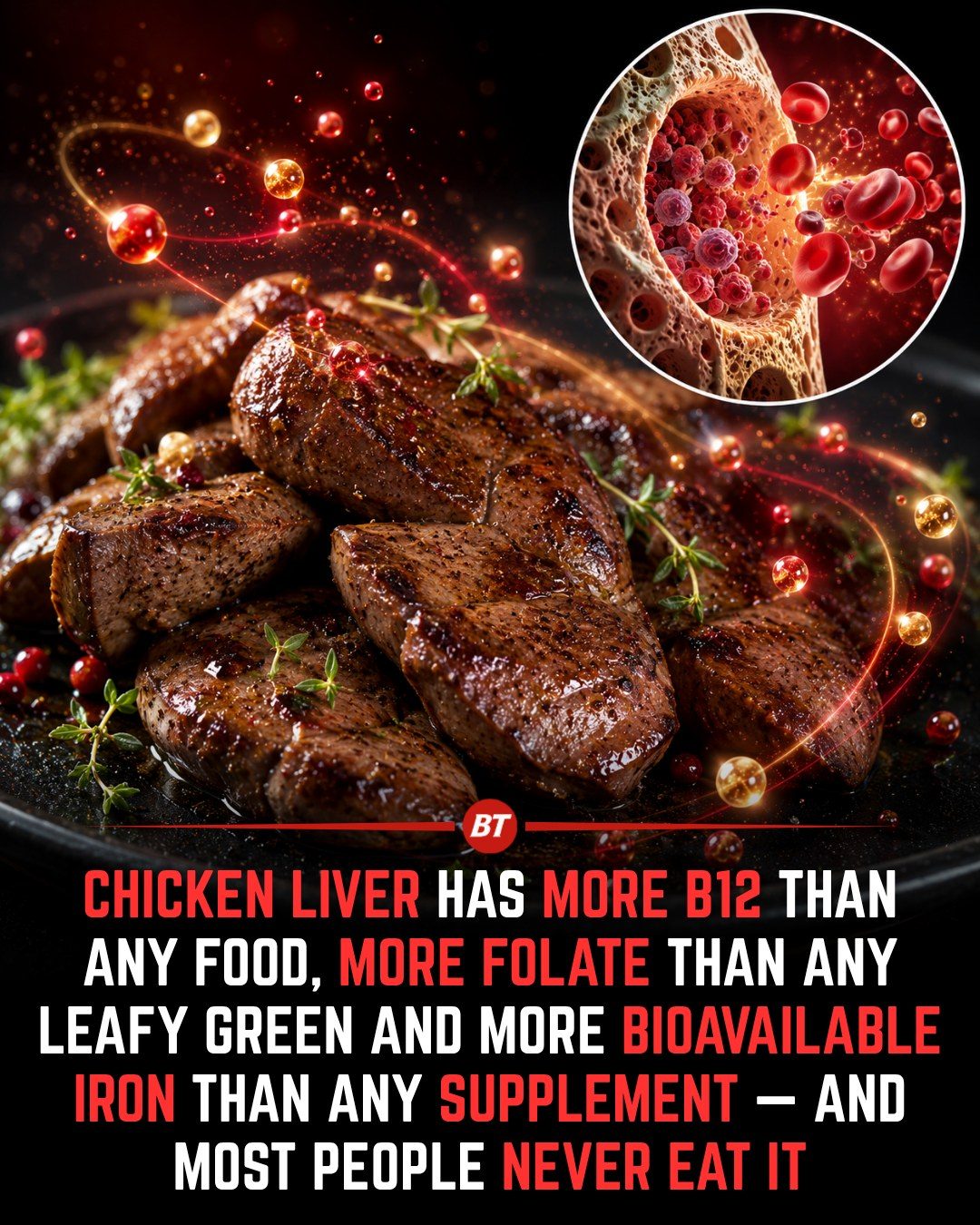
Chicken Liver: The Most Nutrient-dense Food You Might Be Overlooking
Chicken liver is often underestimated in the culinary world, but it is one of the most nutrient-dense foods available. While many people turn to supplements for energy and nutrition, chicken liver naturally delivers a powerhouse of essential vitamins and minerals in a single serving. This organ meat is rich in vitamin B12, folate, iron, vitamin A, choline, and high-quality protein, making it a standout in the realm of nutritional powerhouses.
Why This Matters
The benefits of chicken liver extend far beyond its role in traditional dishes. Understanding its nutritional profile can help individuals make more informed dietary choices, especially for those who may be deficient in certain vitamins and minerals. Incorporating chicken liver into a balanced diet can support various aspects of health, including energy levels, cognitive function, and overall well-being.
The Nutritional Power of Chicken Liver
Vitamin B12: The Energy Booster
Vitamin B12 is critical for maintaining healthy nerves, red blood cell production, and brain function. Low levels of B12 can lead to fatigue, memory problems, and decreased energy. Chicken liver is an exceptionally rich source of vitamin B12, with a small serving providing several times the daily requirement. This makes it an excellent choice for those looking to boost their energy levels naturally.
Folate: Essential for DNA Synthesis and Cell Growth
Folate is a B vitamin that plays a crucial role in DNA synthesis, cell growth, and maintaining healthy blood cells. Combining folate and vitamin B12 ensures that the body can effectively utilize these nutrients. Chicken liver stands out as a top source of folate, providing more than many leafy greens.
Bioavailable Iron: Crucial for Oxygen Transport
Iron is a vital component of hemoglobin, the protein in red blood cells that carries oxygen. Chicken liver contains highly bioavailable heme iron, which the body can easily absorb and utilize. This makes chicken liver a superior source of iron compared to many supplements. It's essential for maintaining healthy oxygen transport throughout the body.
Vitamin A: Supporting Vision and Immune Health
Vitamin A is essential for vision, immune function, and skin health. Chicken liver is one of the richest natural sources of vitamin A, making it a valuable addition to a balanced diet. This nutrient supports various bodily functions and helps maintain overall well-being.
Choline: Memory, Learning, and Liver Health
Choline is a nutrient that many people fail to consume in adequate amounts. However, it is essential for memory, learning, and liver health. Chicken liver is a rich source of choline, providing this critical nutrient in a natural and easily digestible form.
Practical Tips for Incorporating Chicken Liver into Your Diet
Chicken liver can be prepared in various delicious and nutritious ways. Here are some practical tips for incorporating it into your meals:
Cooking Methods
Cooking chicken liver properly is essential to preserve its nutritional value and enhance its flavor. Try sautéing, pan-frying, or grilling the liver with a bit of garlic, onions, and herbs. This can add depth of flavor to the liver and make it more palatable for those who may be hesitant to try it.
Recipes to Try
Experiment with different recipes to find what you enjoy most. Some popular and easy-to-prepare dishes include:
- Chicken Liver Pâté: A classic dish that can be served as an appetizer or spread on bread.
- Chicken Liver and Onion: A simple yet flavorful dish that pairs chicken liver with caramelized onions.
- Chicken Liver Stir-Fry: A quick and easy way to incorporate liver into your meals, mixed with vegetables and a savory sauce.
- Chicken Liver Salad: Combine diced chicken liver with your favorite salad ingredients for a nutritious and satisfying meal.
Pairing with Complementary Foods
Pairing chicken liver with complementary foods can enhance its flavor and nutritional benefits. Try serving it with:
- Leafy Greens: Pairing chicken liver with leafy greens like spinach, kale, or arugula can enhance its nutritional content and add texture and flavor.
- Whole Grains: Whole grains such as brown rice, quinoa, or whole-grain bread can help balance the meal and provide additional fiber.
Important Takeaways
Chicken liver is a powerhouse of essential nutrients that are often overlooked in modern diets. Incorporating chicken liver into your meals can provide a concentrated source of vitamin B12, folate, iron, vitamin A, choline, and high-quality protein. These nutrients are critical for maintaining energy levels, cognitive function, and overall health.
Health Benefits
Chicken liver offers numerous health benefits, including improved energy levels, enhanced cognitive function, and better oxygen transport throughout the body. By incorporating it into your diet, you can support your overall well-being and potentially address specific nutrient deficiencies.
Sustainability
Opting for chicken liver as a protein source can also be a sustainable choice. Organ meats are often more affordable and eco-friendly compared to muscle meats, making them a practical and environmentally conscious option.
Versatility
Chicken liver is a versatile ingredient that can be prepared in many ways, from pâté to stir-fries. Experimenting with different recipes and cooking methods can help you find enjoyable and nutritious ways to incorporate chicken liver into your diet.
In Conclusion
Chicken liver is a nutrient-dense food that deserves a place in a balanced diet. Its rich content of vitamin B12, folate, iron, vitamin A, choline, and high-quality protein makes it an excellent choice for those looking to boost their overall health and energy levels. By incorporating chicken liver into your meals, you can reap the benefits of these essential nutrients and support your body in various ways, from cognitive function to immune health.
Watch the Reel
Questions readers ask
How much vitamin B12 can I get from chicken liver?
A single serving of chicken liver (about 100 grams) provides approximately 13.57 micrograms of vitamin B12. This is a substantial amount, as the recommended daily intake for adults is around 2.4 micrograms for most people.
What makes the iron in chicken liver so beneficial?
The iron in chicken liver is highly bioavailable, meaning it is easily absorbed and utilized by the body. This is particularly important for individuals with iron deficiency or those who struggle to absorb iron from plant-based sources. It helps prevent anemia and supports overall energy levels and oxygen transport in the blood.
Can eating chicken liver help with my energy levels?
Yes, eating chicken liver can significantly boost your energy levels. It is rich in iron, which aids in oxygen transport, and vitamin B12, which supports energy metabolism. Additionally, the high protein content helps maintain steady energy levels throughout the day.
Are there any concerns regarding cholesterol when consuming chicken liver?
While chicken liver is nutritious, it is also high in cholesterol. A 100-gram serving contains about 373 milligrams of cholesterol, which is relatively high. Therefore, it should be consumed in moderation, especially for those with high cholesterol levels or heart disease.
How does the nutritional profile of chicken liver compare to other types of liver?
Chicken liver stands out due to its high levels of vitamin B12, folate, and iron. Compared to beef or pork liver, chicken liver is also lower in calories and saturated fat. It is a leaner option while still providing a rich source of essential nutrients.
What are some healthy recipes for incorporating chicken liver into my diet?
Chicken liver can be prepared in various healthy recipes. It can be sautéed with onions and garlic, added to stews, or even blended into pâté. These methods help to enhance its flavor and make it more palatable while preserving its nutritional benefits.
How much chicken liver should I consume daily to reap its benefits?
A serving size of 85 to 100 grams of chicken liver is recommended. This amount ensures you get a significant boost of vitamin B12, folate, and iron without overconsuming cholesterol. It’s best to incorporate it into your diet a few times a week, depending on your overall dietary needs.
Related deep dives
Similar reads based on topic and creator.




Recent articles
Fresh deep dives from the latest Reels we unpacked.




Comments
Be the first to comment.